
What Your Food Cravings Are Secretly Telling You About Your Health
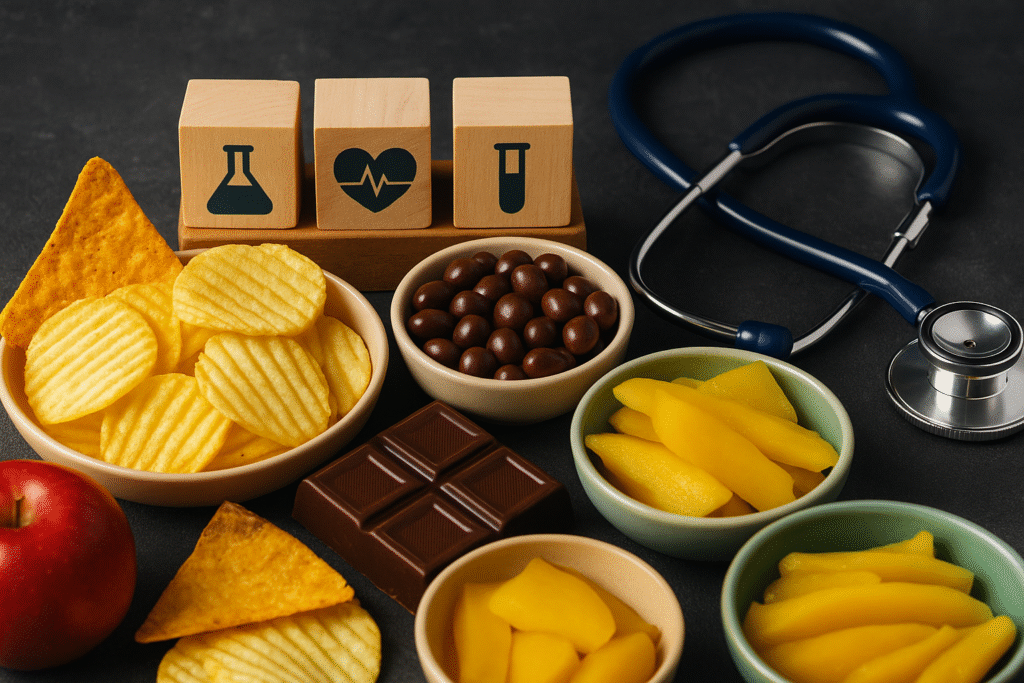
Food cravings can feel random — a sudden urge for chocolate, chips, or something sour. But in many cases, your body might be trying to tell you something important about your nutrient status, hormones, mental health, or underlying medical conditions.
In this detailed guide, we’ll decode common food cravings, explain what they may indicate about your health, and explore relevant diagnostic tests you can consider through Seralis Lab to understand your body better.
What Are Food Cravings?
Food cravings are intense urges to eat a specific food or type of food that are often difficult to control. They are different from regular hunger because:
- They are usually highly specific (e.g., “I want chocolate” vs. “I’m just hungry”).
- They can be triggered by emotions, hormonal changes, stress, or nutrient imbalances.
- They may appear even when you are not physiologically hungry.
While occasional cravings are normal, persistent or extreme cravings can sometimes signal an underlying health issue that should not be ignored.
Common Causes of Food Cravings
1. Nutrient Deficiencies
One of the most common reasons behind cravings is a lack of specific nutrients. When your body is low in certain minerals or vitamins, it might push you towards foods that typically contain them — or more often, towards high-calorie comfort foods if your diet is imbalanced.
Possible deficiencies linked to cravings include:
- Iron (fatigue, pica, ice or clay cravings)
- Magnesium (chocolate or sugar cravings)
- Calcium (craving dairy or cheese)
- Sodium (craving salty snacks)
To evaluate nutrient status and anemia risk, you can consider:
- Complete Blood Count (CBC) – to screen for anemia and infection.
- Iron Profile / Iron Studies – to assess iron deficiency or overload.
- Vitamin & Mineral Panel – for detailed nutrient status (Vitamin B12, Vitamin D, etc.).
- Comprehensive Health Check Packages – that club CBC, iron studies, vitamin panels and metabolic tests in a single, cost-effective bundle.
2. Blood Sugar Imbalance
Craving sweets or refined carbs throughout the day is often associated with unstable blood sugar levels. When blood sugar swings rapidly, the brain demands quick energy sources, typically sugary or starchy foods.
This pattern can be seen in:
- Insulin resistance
- Prediabetes
- Type 2 diabetes
- High refined carbohydrate intake
Relevant tests via Seralis Lab include:
- Fasting Blood Glucose
- HbA1c (Glycosylated Hemoglobin) – reflects average blood glucose over 2–3 months.
- Diabetes Profile/Package – typically includes fasting glucose, HbA1c, lipid profile and sometimes kidney evaluation.
3. Hormonal Fluctuations
Hormones have a powerful influence on appetite and cravings. Changes in estrogen, progesterone, insulin, cortisol and serotonin can all alter what and how much you crave.
Common scenarios:
- PMS / Menstrual Cycle: Many women experience cravings for sweets, chocolate, or salty snacks before or during their period.
- Pregnancy: Intense or unusual cravings (sometimes even non-food items) may occur due to hormonal shifts and increased nutrient demands.
- Thyroid disorders: Hypothyroidism or hyperthyroidism can affect appetite, weight, and cravings indirectly.
Tests to evaluate hormonal health with Seralis Lab include:
- Thyroid Function Tests (T3, T4, TSH)
- Female Hormone Panel (where available) – estrogen, progesterone, LH, FSH.
- Pregnancy Profile – for expectant mothers needing more detailed monitoring.
4. Emotional Eating & Stress
Stress, anxiety, loneliness and boredom can all drive emotional eating. In such cases, cravings are more about comfort and coping than about nutrient needs.
Typical patterns:
- Craving sweet, fatty or high-carb foods after a stressful day.
- Using food as a reward or distraction.
- Night-time bingeing on snacks.
Chronic stress can raise cortisol levels, affect sleep, and over time contribute to metabolic issues like weight gain, high blood pressure and insulin resistance.
To understand how stress may be impacting your body, you can consider:
- Comprehensive Metabolic Panel – to check liver, kidney and electrolyte balance.
- Lipid Profile – as stress and emotional eating can adversely impact cholesterol levels.
- Advanced Health Check Packages – which often club CBC, metabolic panel, lipid profile and thyroid.
5. Sleep Deprivation
Poor sleep alters hormones that regulate hunger — ghrelin (hunger hormone) and leptin (satiety hormone). Inadequate sleep often leads to increased cravings for high-calorie, sugary and fatty foods.
If you notice a pattern of late-night junk food cravings along with fatigue, difficulty concentrating and irritability, improving your sleep quality is crucial. Blood tests can help rule out other causes of fatigue, such as anemia or thyroid dysfunction.
Recommended tests via Seralis Lab:
What Different Food Cravings May Mean
Craving Sugar and Sweets
Constantly reaching for sweets, chocolates or desserts could be linked to:
- Blood sugar fluctuations or insulin resistance.
- Low magnesium levels (especially with chocolate cravings).
- Stress, poor sleep or emotional eating.
What you can do:
- Include high-fiber foods (whole grains, legumes, vegetables) to stabilise blood sugar.
- Add magnesium-rich foods (nuts, seeds, leafy greens, whole grains).
- Limit sugary drinks and ultra-processed snacks.
Relevant tests from Seralis Lab:
- Fasting Blood Glucose
- HbA1c
- Diabetes Package / Sugar Profile
- Magnesium (if available) or Comprehensive Electrolyte Panel
Craving Salty Foods
Feeling like you can’t stop eating chips, pickles, or other salty snacks may indicate:
- Dehydration or electrolyte imbalance.
- Low blood pressure or adrenal issues (rare but possible).
- Habitual preference for high-salt foods.
What you can do:
- Drink adequate water throughout the day.
- Limit packaged and processed foods high in sodium.
- Use herbs, lemon and spices instead of adding more salt.
Relevant tests from Seralis Lab:
- Electrolyte Panel (Sodium, Potassium, Chloride)
- Kidney Function Test (KFT)
- Comprehensive Metabolic Panel
Craving Chocolate
Chocolate cravings are extremely common and are often linked to:
- Magnesium deficiency
- PMS or hormonal fluctuations
- Mood and serotonin regulation
What you can do:
- Opt for dark chocolate (70%+ cocoa) in moderation.
- Include magnesium-rich foods in your diet.
- Track if cravings worsen around your period – this may indicate broader hormonal or nutrient issues.
Relevant tests from Seralis Lab:
Craving Fried & Fatty Foods
Intense cravings for fries, burgers, or deep-fried snacks may relate to:
- High stress levels and emotional eating.
- Habitual consumption of high-fat fast food.
- Possible imbalance in essential fatty acids if your diet is low in healthy fats.
What you can do:
- Replace fried foods with roasted, grilled, or steamed options.
- Include healthy fats like nuts, seeds, avocados and fatty fish.
- Monitor portions and frequency of fast-food intake.
Relevant tests from Seralis Lab:
- Lipid Profile (Cholesterol, HDL, LDL, Triglycerides)
- Liver Function Test (LFT)
- Comprehensive Health Check Packages covering heart and metabolic health
Craving Ice, Clay, Chalk or Non-Food Items (Pica)
Craving and chewing on ice, clay, chalk, paper or soil is known as pica. This is not a normal craving and is often associated with:
- Severe iron deficiency or anemia.
- Other micronutrient deficiencies.
- Pregnancy-related deficiencies.
What you can do:
- Seek medical evaluation immediately if pica is present.
- Do not consume non-food items as they can cause poisoning or intestinal blockage.
Urgently relevant tests from Seralis Lab:
- CBC (Complete Blood Count) – to check for anemia.
- Iron Studies / Iron Profile
- Ferritin Test (if part of iron profile).
- Comprehensive Anemia Profile (if available).
Craving Carbs (Bread, Pasta, Rice)
Constant desire for bread, pasta, noodles or rice can indicate:
- Low energy intake or skipping meals.
- Stress or fatigue – carbs temporarily boost serotonin.
- Unstable blood sugar from refined carbs.
What you can do:
- Switch to whole grains over refined grains.
- Ensure each meal has protein, fiber and healthy fats to reduce cravings.
- Avoid long gaps between meals.
Relevant tests from Seralis Lab:
- Fasting Blood Sugar & HbA1c
- Thyroid Profile (to rule out hypothyroidism-related fatigue)
- Comprehensive Metabolic Panel
When Food Cravings May Be a Warning Sign
Some cravings are relatively harmless and linked to lifestyle habits. However, cravings can be a red flag when:
- They are persistent, intense and difficult to control.
- They involve non-food items (pica).
- They are accompanied by unexplained weight loss or weight gain.
- You experience fatigue, dizziness, shortness of breath, frequent urination, excessive thirst, mood swings or other symptoms alongside the cravings.
In such cases, it is wise to:
- Consult a doctor or dietitian.
- Get appropriate blood tests done to identify anemia, diabetes, thyroid dysfunction, nutrient deficiencies or metabolic issues.
- Use comprehensive test packages for a more complete overview of your health.
At Seralis Lab, you can choose from:
- Basic Health Check-Up Packages – ideal for annual screening.
- Diabetes & Metabolic Health Packages – if sugar or carb cravings are frequent.
- Women’s Health Profiles – if cravings are linked to PMS, cycles or pregnancy.
- Advance Full Body Check – for a holistic view of blood counts, liver, kidney, thyroid, lipids, sugar and vitamins.
How to Manage Food Cravings in a Healthy Way
1. Balance Your Meals
- Include a source of protein (eggs, pulses, paneer, fish, lean meat) in every meal.
- Add fiber from fruits, vegetables, whole grains and legumes.
- Use healthy fats (nuts, seeds, olive oil, ghee in moderation).
2. Hydrate Adequately
Dehydration can sometimes mimic hunger or trigger salty food cravings. Sip water consistently through the day rather than drinking large amounts at once.
3. Improve Sleep Quality
- Aim for 7–9 hours of sleep per night.
- Maintain a regular sleep schedule.
- Avoid heavy meals, caffeine and screens close to bedtime.
4. Manage Stress
- Practise deep breathing, yoga or meditation.
- Engage in hobbies that relax you.
- Talk to a mental health professional if emotional eating is overwhelming.
5. Plan Smart Substitutions
- Craving sweets? Try fruit with nuts or a small piece of dark chocolate.
- Craving chips? Choose roasted chana, makhana or vegetable sticks with hummus.
- Craving fried foods? Go for air-fried or oven-baked versions.
6. Use Diagnostic Tests for Clarity
Instead of guessing, use lab tests to understand whether cravings are linked to anemia, diabetes, thyroid issues or nutrient deficiencies.
You can book relevant tests and packages online through Seralis Lab and get professional insights into your reports for targeted action.
Relevant Seralis Lab Tests & Packages for Food Cravings
Depending on your symptom pattern and cravings, consider discussing the following with your doctor and then booking via Seralis Lab:
1. For Sugar, Carb and Sweet Cravings
2. For Pica, Fatigue and Ice/Clay Cravings
- CBC (Complete Blood Count)
- Iron Studies / Iron Profile
- Ferritin (if available)
- Comprehensive Anemia Package
3. For PMS, Chocolate and Hormonal Cravings
- Thyroid Function Test (T3, T4, TSH)
- Female Hormone Panel (if available)
- Vitamin D & Vitamin B12 Panel
4. For Salty Food and Dehydration-Linked Cravings
5. For Fried/Fatty Food Cravings & Weight Gain
Key Takeaways
- Food cravings are common but can sometimes reflect nutritional, hormonal or metabolic imbalances.
- Persistent, unusual or extreme cravings — especially for non-food items — warrant medical evaluation and laboratory testing.
- A balanced diet, adequate hydration, stress management and proper sleep significantly reduce unhealthy cravings.
- Seralis Lab offers a wide range of tests and packages that help you identify underlying causes and take corrective steps in time.
Disclaimer: This article is for educational purposes only and is not a substitute for professional medical advice, diagnosis or treatment. Always consult your doctor before making health-related decisions or interpreting lab results.
FAQs About Food Cravings
1. Are food cravings always a sign of deficiency?
No. While some cravings are linked to nutrient deficiencies (like iron or magnesium), many are driven by emotions, stress, habits or hormonal changes. If cravings are frequent or unusual, discuss them with your doctor and consider relevant blood tests.
2. Can cravings predict pregnancy?
Cravings can occur in pregnancy due to hormonal and metabolic shifts, but they are not a reliable diagnostic sign. A pregnancy test is the only way to confirm pregnancy. You can also consult your doctor and use lab services such as pregnancy-related tests and antenatal profiles offered by Seralis Lab.
3. When should I worry about my food cravings?
Be concerned and seek medical advice if:
- You crave non-food items like ice, clay or chalk.
- Cravings come with rapid weight change, fatigue, excessive thirst, frequent urination or menstrual irregularities.
- Cravings feel out of control, leading to binge eating or distress.
4. Which tests should I start with if I have strong cravings and fatigue?
Common starting tests include:
- CBC (to check anemia and infection)
- Thyroid Profile
- Fasting Blood Glucose & HbA1c
- Vitamin B12 & Vitamin D
You can book these individually or as part of a full body check-up package at Seralis Lab.
5. Can lab tests really help with managing cravings?
Yes. Cravings are often a symptom of something deeper. Identifying anemia, diabetes, thyroid imbalance, vitamin deficiency or metabolic syndrome through lab tests allows your doctor to treat the root cause, which in many cases naturally reduces abnormal cravings.
References
- Pelchat ML. Food cravings in humans. Appetite. 2002.
- Finlayson G. Food addiction and obesity: unnecessary medicalization of hedonic overeating. Curr Obes Rep. 2014.
- Torres SJ, Nowson CA. Relationship between stress, eating behavior, and obesity. Nutrition. 2007.
- StatPearls: Pica.
- Walker CG et al. Food cravings and nutrient intake. Am J Clin Nutr.
- Chaput JP. Sleep patterns, diet quality and energy balance. Physiol Behav. 2014.
- World Health Organization – Healthy diet