
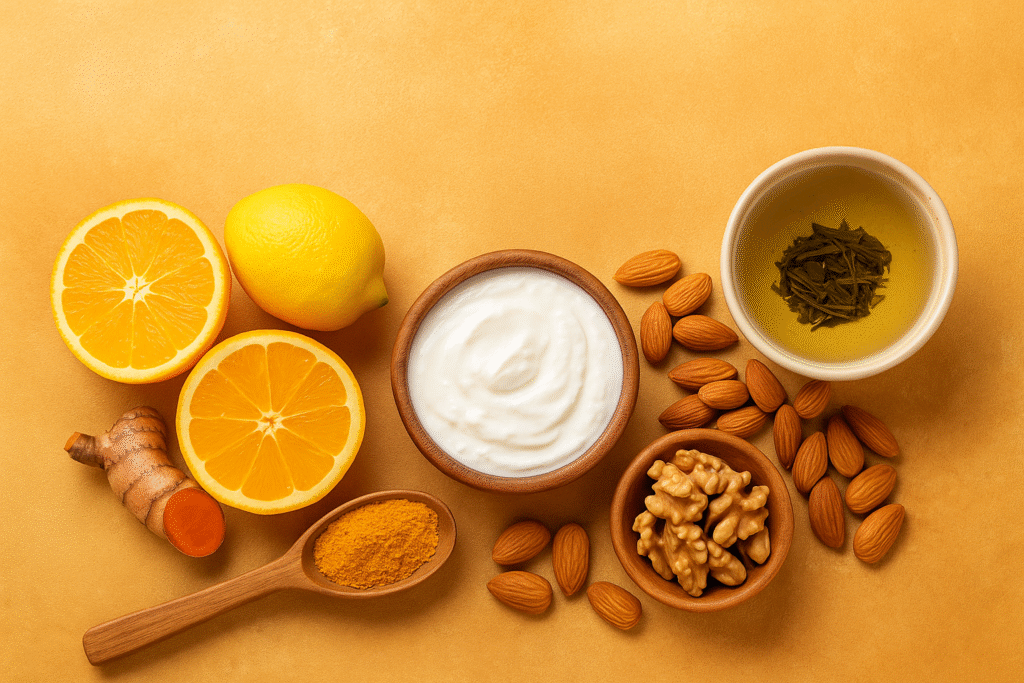

Short answer
Immune function depends on nutrition, sleep, stress, and exercise. Foods high in vitamin C, vitamin D (through diet and sun), zinc, probiotics, and antioxidants support immune cells and reduce illness frequency. Combine food strategies with testing (CRP, Vitamin D) to measure impact.
Introduction
Infections and seasonal illnesses put the spotlight on immunity every year. While no single food is a “magic bullet,” a pattern of nutrient-rich foods improves immune readiness. This article distils the best evidence into practical guidance and recipes for immediate use.
Top immunity-supporting nutrients and their food sources
- Vitamin C: Citrus, guava, bell peppers, amla — supports leukocyte function.
- Vitamin D: Fortified milk, egg yolk, sun exposure — modulates innate immunity.
- Zinc: Chana/chickpeas, pumpkin seeds, cashews — critical for T-cell development.
- Probiotics: Curd, kefir, fermented foods — maintain gut-immune axis.
- Polyphenols & antioxidants: Berries, green tea, turmeric — reduce harmful inflammation.
Evidence-based food list
Citrus & Indian superfruits (Amla)
High vitamin C content; regular consumption shortens duration of respiratory infections in some trials [1].
Fermented dairy (curd, lassi, kefir)
Probiotics in fermented dairy help prevent recurrent gut infections and reduce antibiotic-associated diarrhea [2].
Turmeric & Ginger
Both have anti-inflammatory and antimicrobial actions; turmeric’s curcumin modulates cytokine signalling [3]. Add to daily cooking or prepare turmeric milk.
Green Tea
EGCG is associated with antiviral effects in laboratory studies and supports mucosal immunity.
Nuts and Seeds
Provide vitamin E and zinc — important for antibody production. A small handful daily is a practical dose.
Practical daily routine to support immunity
- Start with a probiotic-rich breakfast (plain curd + fruit)
- Mid-morning: a citrus snack (orange/guava)
- Lunch: include a zinc source (chana, pumpkin seeds)
- Cooking: add turmeric & garlic to meals
- Hydration: 2–3 liters a day; include green tea
Consider measuring baseline status with a Seralis Lab Immunity Package to tailor interventions.
FAQs (Schema)
Do supplements beat whole foods for immunity?
Whole foods provide a range of micronutrients and phytochemicals that act synergistically; supplements can help when deficiencies are documented.
How soon will I notice benefits?
Subjective improvements in energy may appear in 2–4 weeks; measurable immune markers (CRP, Vitamin D) should be rechecked after 8–12 weeks.
References
- Hemilä H., Nutrients 2017 — Vitamin C and respiratory infections.
- Hill C., et al., Gut Microbes 2020 — Probiotics and gut health.
- Gupta SC., et al., Clin Exp Immunol 2013 — Curcumin and immune modulation.
Key Takeaways
- Nutrition, sleep, stress, and exercise enhance immune function.
- Key nutrients like vitamin C, D, zinc, and probiotics support immune cells.
- Incorporate immune boosting foods like citrus, turmeric, and green tea into your daily routine.
- A practical daily schedule includes probiotic breakfasts, citrus snacks, and adequate hydration.
- Measuring immune markers can help tailor dietary interventions for better health.
Estimated reading time: 3 minutes