

Reading Time: 8 minutes
Last Updated: November 15, 2025
Medically Reviewed by: Dr.Ekta Sethi, MD (Pathology)
Introduction
Priya, a 28-year-old marketing professional from Mumbai, had been struggling with irregular periods, unexplained weight gain, and persistent acne for over two years. After multiple failed attempts at crash diets and expensive skincare treatments, a simple hormone panel test revealed the root cause: Polycystic Ovary Syndrome (PCOS).
“I wish I had known about the blood tests earlier,” Priya shares. “Once I understood my hormone levels and made targeted dietary changes, my symptoms improved within three months.”
If you’re experiencing similar symptoms, you’re not alone. PCOS affects 1 in 5 women of reproductive age in India, making it one of the most common hormonal disorders. The good news? Strategic dietary choices can significantly improve PCOS symptoms and hormonal balance.
What is PCOS? Understanding the Basics
Polycystic Ovary Syndrome (PCOS) is a hormonal disorder characterized by:
- Irregular or absent menstrual periods
- Elevated androgen levels (male hormones)
- Insulin resistance (in 70% of cases)
- Multiple small cysts on ovaries
- Difficulty conceiving
Common PCOS Symptoms
- Irregular periods (cycles longer than 35 days)
- Excessive hair growth on face, chest, or back
- Acne and oily skin
- Hair thinning or male-pattern baldness
- Weight gain, especially around the abdomen
- Dark skin patches (acanthosis nigricans)
- Mood swings and anxiety
- Fatigue
The PCOS-Diet Connection: Why Food Matters
Research shows that dietary modifications can:
✓ Reduce insulin resistance by up to 30%
✓ Lower androgen levels naturally
✓ Regulate menstrual cycles
✓ Improve fertility outcomes
✓ Support healthy weight management
✓ Reduce inflammation markers
The key lies in choosing foods that stabilize blood sugar, reduce inflammation, and support hormonal balance.
15 PCOS-Friendly Foods to Add to Your Diet
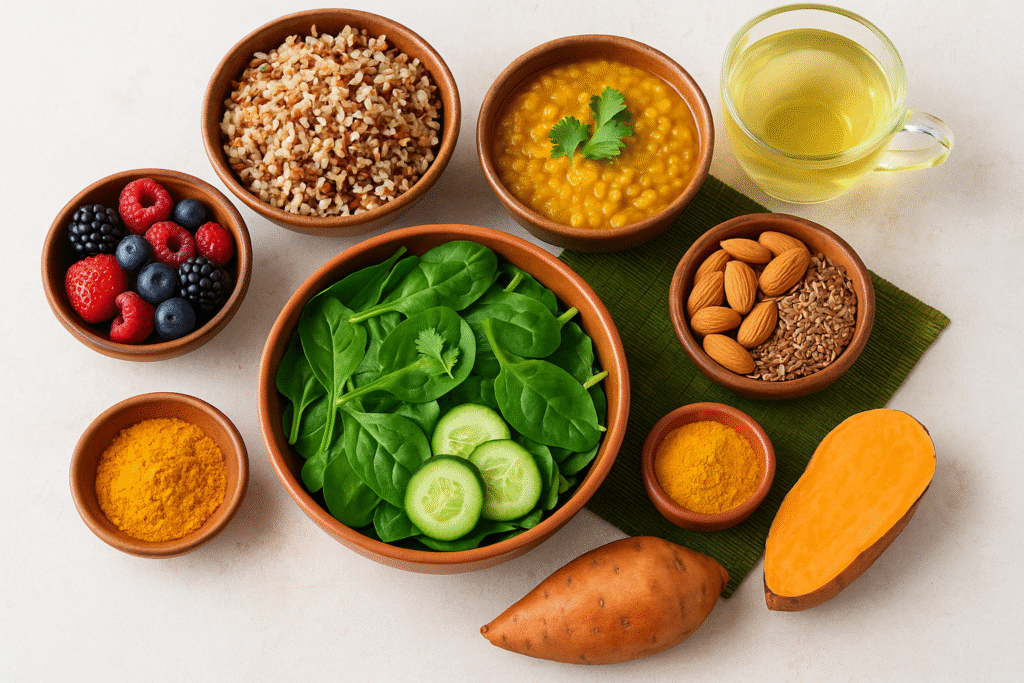
1. Leafy Green Vegetables (Spinach, Kale, Methi)
Why They Work: High in magnesium, which improves insulin sensitivity and reduces inflammation.
How to Include:
- Add palak (spinach) to your morning omelet
- Make methi paratha for lunch
- Include kale in smoothies or salads
Blood Test Impact: May help lower fasting insulin levels
2. Fatty Fish (Salmon, Mackerel, Sardines)
Why They Work: Rich in omega-3 fatty acids that reduce inflammation and support hormone production.
Recommended Intake: 2-3 servings per week
Indian Alternative: Rohu, Hilsa, or omega-3 supplements
Blood Test Impact: Can reduce inflammatory markers (CRP, ESR)
3. Berries (Strawberries, Blueberries, Amla)
Why They Work: Low glycemic index fruits packed with antioxidants that combat oxidative stress.
Best Choices:
- Fresh berries as snacks
- Amla juice in the morning
- Berry smoothies without added sugar
Blood Test Impact: Helps stabilize HbA1c levels
4. Nuts and Seeds (Almonds, Walnuts, Flaxseeds, Chia Seeds)
Why They Work: Provide healthy fats, fiber, and minerals that regulate hormones.
Daily Serving:
- 10-12 almonds
- 2 walnuts
- 1 tablespoon flaxseeds (ground)
Pro Tip: Soak nuts overnight for better nutrient absorption
Blood Test Impact: May improve lipid profile and reduce cholesterol
5. Whole Grains (Quinoa, Brown Rice, Oats)
Why They Work: Complex carbohydrates that don’t spike blood sugar.
Replace: White rice → Brown rice or quinoa
Breakfast Idea: Steel-cut oats with berries and nuts
Blood Test Impact: Better fasting glucose control
6. Legumes (Lentils, Chickpeas, Kidney Beans)
Why They Work: High protein and fiber content slows glucose absorption.
Indian Favorites:
- Dal (lentils) – all varieties
- Chole (chickpeas)
- Rajma (kidney beans)
Serving Size: 1 cup cooked daily
7. Cinnamon
Why It Works: Improves insulin sensitivity and may help regulate menstrual cycles.
How to Use:
- Add to morning coffee or tea
- Sprinkle on oatmeal
- Mix in smoothies
Recommended Dose: ½ to 1 teaspoon daily
Blood Test Impact: Studies show 10-15% reduction in fasting glucose
8. Turmeric
Why It Works: Curcumin reduces inflammation and insulin resistance.
Best Absorption: Combine with black pepper and healthy fats
How to Include:
- Golden milk before bed
- Add to curries and dals
- Turmeric tea
Blood Test Impact: Lowers inflammatory markers (CRP)
9. Greek Yogurt (or Hung Curd)
Why It Works: High protein, probiotics support gut health and hormone balance.
Choose: Unsweetened, full-fat varieties
Serving Ideas:
- With berries and seeds
- As raita with meals
- Smoothie base
10. Olive Oil and Coconut Oil
Why They Work: Healthy fats that don’t spike insulin.
Usage:
- Olive oil for salads
- Coconut oil for cooking (moderate heat)
Daily Limit: 2-3 tablespoons total healthy fats
11. Green Tea
Why It Works: EGCG antioxidants improve metabolism and insulin sensitivity.
Recommended: 2-3 cups daily
Best Time: Morning and post-lunch
Avoid: Adding sugar or milk
12. Avocado
Why It Works: Monounsaturated fats reduce inflammation and support hormone production.
Serving Size: ¼ to ½ avocado daily
Ideas:
- Toast topping
- Salad addition
- Smoothie ingredient
13. Broccoli and Cauliflower
Why They Work: Cruciferous vegetables help metabolize excess estrogen.
Preparation:
- Steamed or lightly stir-fried
- Gobi paratha (using whole wheat)
- Raw in salads
14. Sweet Potato
Why It Works: Complex carbs with fiber, better than regular potatoes.
Glycemic Index: Lower than white potatoes
Serving: 1 medium sweet potato, 2-3 times per week
15. Dark Chocolate (70%+ Cacao)
Why It Works: Antioxidants and may help reduce cravings.
Portion Control: 1-2 small squares (20-30g) daily
Choose: Minimum 70% cacao, low sugar
Foods to AVOID with PCOS
❌ High Glycemic Index Foods
- White bread, white rice
- Sugary cereals
- Pastries and cakes
- Soft drinks
❌ Inflammatory Foods
- Processed meats
- Fried foods
- Excessive dairy (for some women)
- Trans fats
❌ Refined Sugars
- Candies and sweets
- Flavored yogurts
- Fruit juices with added sugar
❌ Excessive Caffeine
- Limit to 200mg daily (2 cups coffee)
Sample PCOS-Friendly Meal Plan
Breakfast (8:00 AM)
- Vegetable oats with flaxseeds
- Or: 2 egg omelet with spinach
- Green tea
Mid-Morning Snack (11:00 AM)
- 10 almonds + 1 apple
- Or: Greek yogurt with berries
Lunch (1:00 PM)
- Brown rice (½ cup) or 2 roti
- Dal (1 bowl)
- Mixed vegetable curry
- Salad with olive oil dressing
Evening Snack (4:30 PM)
- Roasted chickpeas
- Or: Vegetable soup
Dinner (7:30 PM)
- Grilled fish/chicken/paneer
- Quinoa or cauliflower rice
- Steamed broccoli
- Cucumber raita
Before Bed (10:00 PM)
- Turmeric milk (optional)
When to Get Tested: Essential Blood Tests for PCOS
🔬 Seralis Lab’s PCOS Screening Package Includes:
- Hormone Panel
- FSH (Follicle Stimulating Hormone)
- LH (Luteinizing Hormone)
- Testosterone (Total & Free)
- DHEAS
- Prolactin
- AMH (Anti-Müllerian Hormone)
- Metabolic Tests
- Fasting Glucose
- HbA1c (3-month blood sugar average)
- Fasting Insulin
- HOMA-IR (Insulin Resistance Index)
- Thyroid Function
- TSH, T3, T4
- (Thyroid disorders often coexist with PCOS)
- Lipid Profile
- Total Cholesterol
- LDL, HDL, Triglycerides
- Vitamin Levels
- Vitamin D
- Vitamin B12
- Ultrasound
- Pelvic/Transvaginal ultrasound for ovarian assessment
📅 When to Test:
- Day 2-5 of menstrual cycle (for hormone tests)
- Fasting tests: After 10-12 hours of overnight fasting
- Follow-up: Every 3-6 months to monitor progress
Understanding Your Test Results
Normal vs. PCOS Ranges:
TestNormal RangePCOS IndicatorLH:FSH Ratio< 2:1≥ 2:1 or 3:1Testosterone15-70 ng/dL> 70 ng/dLFasting Insulin< 25 mIU/L> 25 mIU/LHOMA-IR< 2.6> 2.6HbA1c< 5.7%> 5.7% (pre-diabetes)
Note: Ranges may vary slightly by laboratory. Always consult with your doctor for interpretation.
Lifestyle Tips Beyond Diet
1. Exercise Regularly
- 150 minutes moderate activity per week
- Combine cardio + strength training
- Yoga for stress management
2. Manage Stress
- Practice meditation or deep breathing
- Adequate sleep (7-8 hours)
- Limit screen time before bed
3. Maintain Healthy Weight
- Even 5-10% weight loss can improve symptoms
- Focus on sustainable changes, not crash diets
4. Stay Hydrated
- 8-10 glasses of water daily
- Herbal teas count
5. Limit Alcohol
- Avoid or minimize consumption
- Affects hormone metabolism
Success Story: Real Results
Case Study: Anjali, 32, Bangalore
Before:
- Irregular periods (60-90 day cycles)
- Weight: 78 kg (BMI 29)
- Fasting Insulin: 28 mIU/L
- Testosterone: 85 ng/dL
After 4 Months of Diet Changes + Exercise:
- Regular 32-day cycles
- Weight: 71 kg (BMI 26.5)
- Fasting Insulin: 18 mIU/L
- Testosterone: 62 ng/dL
“The blood tests helped me track my progress scientifically. Seeing the numbers improve motivated me to stay consistent.” – Anjali
Supplements to Consider (Consult Your Doctor)
While diet should be your foundation, these supplements may help:
- Inositol (Myo-inositol + D-chiro-inositol)
- Improves insulin sensitivity
- May restore ovulation
- Omega-3 Fatty Acids
- If not getting enough from fish
- 1000-2000 mg daily
- Vitamin D
- If blood test shows deficiency
- Typical dose: 1000-2000 IU daily
- Magnesium
- 200-400 mg daily
- Helps with insulin resistance
- Spearmint Tea
- May reduce androgen levels
- 2 cups daily
⚠️ Important: Always get tested before starting supplements and consult with your healthcare provider.
Frequently Asked Questions (FAQs)
Q1: Can PCOS be cured with diet alone?
A: PCOS cannot be “cured,” but symptoms can be effectively managed through diet, lifestyle changes, and sometimes medication. Many women achieve symptom-free living with the right approach.
Q2: How long before I see results from dietary changes?
A: Most women notice improvements in 3-6 months. Energy levels and mood may improve sooner, while hormonal changes take longer to reflect in blood tests.
Q3: Do I need to avoid all carbs with PCOS?
A: No. Focus on complex carbohydrates with low glycemic index. Avoid refined carbs and added sugars.
Q4: Can I get pregnant with PCOS?
A: Yes! Many women with PCOS conceive naturally, especially after implementing lifestyle changes. Some may need medical assistance.
Q5: Is intermittent fasting good for PCOS?
A: It may help some women, but consult your doctor first. Focus on what you eat, not just when you eat.
Q6: Should I avoid soy products?
A: Research is mixed. Moderate amounts of whole soy foods (tofu, tempeh) are generally safe. Avoid highly processed soy.
Q7: How often should I get my hormones tested?
A: Initially every 3 months to track progress, then every 6-12 months once stable.
Q8: Can stress make PCOS worse?
A: Yes. Chronic stress elevates cortisol, which can worsen insulin resistance and hormonal imbalance.
Take Action Today: Your PCOS Management Plan
Step 1: Get Tested
Book your PCOS Screening Package at Seralis Lab today. Know your numbers before making changes.
Special Offer: Use code PCOS20 for 20% off your first PCOS panel test.
Step 2: Implement Dietary Changes
Start with 3-5 foods from the list above. Don’t try to change everything at once.
Step 3: Track Your Progress
Keep a symptom diary and repeat blood tests after 3 months.
Step 4: Consult Specialists
Work with an endocrinologist or PCOS specialist for personalized guidance.
Conclusion
Managing PCOS doesn’t mean giving up your favorite foods forever. It’s about making smarter choices that support your hormonal health. The 15 foods listed above are scientifically proven to help balance hormones, reduce inflammation, and improve insulin sensitivity.
Remember, PCOS is a journey, not a sprint. Small, consistent changes in your diet can lead to significant improvements in your symptoms and quality of life.
Ready to take control of your PCOS?
🔬 Book Your Comprehensive PCOS Panel with Seralis Lab
- Free home sample collection
- Reports within 24 hours
- Doctor consultation available
- NABL-accredited laboratory
📞 Call: 92205 22281
🌐 Visit: www.seralislab.com/pcos-package
📱 WhatsApp: +91-92205-22281
Related Articles
- Understanding Your Hormone Test Results: A Complete Guide
- Thyroid and PCOS: The Hidden Connection
- Insulin Resistance: Foods That Help and Hurt
- Fertility Testing: When and What to Check
Disclaimer: This article is for informational purposes only and should not replace professional medical advice. Always consult with your healthcare provider before making significant dietary changes or starting new treatments.
Sources:
- Journal of Clinical Endocrinology & Metabolism
- Fertility and Sterility Journal
- Indian Journal of Endocrinology and Metabolism
- PCOS Nutrition Center Guidelines
- American Journal of Clinical Nutrition
Keywords: PCOS diet, PCOS foods, hormone balance, PCOS test, insulin resistance, PCOS symptoms, irregular periods, PCOS treatment, hormone test, PCOS package, polycystic ovary syndrome India