
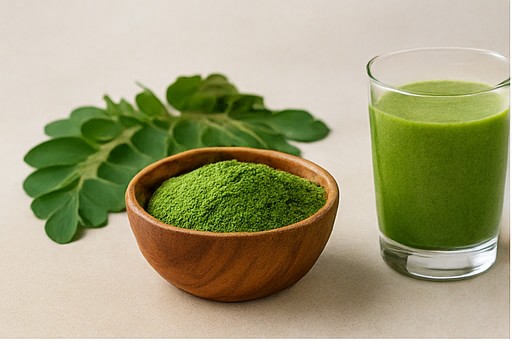

Quick summary (Snippet)
Short answer: Moringa leaf powder is a nutrient-dense supplement that supports immunity, reduces inflammation, helps blood health, and can modestly improve blood sugar control when used as part of a balanced diet. Use 1 teaspoon daily as a supplement and track objective changes with periodic blood tests like CBC and HbA1c.
Introduction
Moringa (Moringa oleifera) has been used for centuries in South Asia and Africa as a food and medicine. Today, powdered moringa leaf—concentrated, shelf-stable, and easy to add to foods—has become popular worldwide. But what does the science actually say? This article explains the nutrients in moringa, the proven health effects, safe dosing, and how to monitor benefits with lab tests from Seralis Lab.
Nutritional profile at a glance
Moringa leaves are unusually nutrient-dense for a plant source. Per typical tablespoon (≈5–7 g) of moringa leaf powder you get:
- Vitamins: A (beta-carotene), C, and several B vitamins
- Minerals: Iron, calcium, potassium, magnesium
- Protein: small but complete amino-acid profile (plant-based)
- Antioxidants: quercetin, chlorogenic acid, and other polyphenols
Because of this mix, moringa behaves like a concentrated multivitamin—especially useful for vegetarians or those with limited dietary variety [1][2].
Evidence-based benefits
1. Immunity and antioxidant activity
Moringa’s polyphenols and vitamin C help neutralize free radicals and support immune cell function. Clinical and preclinical studies show improved antioxidant enzyme activity (e.g., catalase, SOD) after moringa supplementation, which is consistent with improved resilience to oxidative stress [3]. For an objective view of immune status consider Seralis Lab’s Immunity Package which includes CRP, Vitamin D and CBC.
2. Blood health & anemia support
Because moringa is rich in iron and folate, randomized trials in settings with nutritional anemia report improvements in hemoglobin and ferritin after several weeks of supplementation—particularly in women of reproductive age [4]. If you’re using moringa to address low iron, track progress with a CBC Test and an Iron Profile.
3. Glucose regulation
Moringa contains bioactive compounds (isothiocyanates, chlorogenic acid) that slow carbohydrate absorption and improve post-prandial glucose responses in clinical studies. In some trials, moringa reduced post-meal glucose spikes by ~20–30% when taken with meals [5]. People with prediabetes should monitor effects using periodic HbA1c and fasting glucose tests.
4. Anti-inflammatory effects
Markers of inflammation such as CRP decline modestly in trials with moringa supplementation, consistent with reduced oxidative stress and immune modulation. This anti-inflammatory profile may help symptoms in metabolic syndrome and chronic low-grade inflammation.
5. Energy and nutritional support
Because it supplies iron, B-vitamins and plant proteins, many users report improved energy and reduction in fatigue after several weeks. These are subjective reports but align with measurable increases in hemoglobin and improved nutritional indices in some populations [4].
How to use moringa powder safely
- Start low: ½–1 teaspoon (~2–5 g) daily for the first week.
- Maintenance dose: 1 teaspoon (≈5 g) daily mixed into smoothies, soups or yogurt.
- Max dosing: Avoid >2 teaspoons/day unless advised by a physician; excess may cause GI upset.
- Timing: With meals for better iron absorption; pair with vitamin-C-rich foods (lemon, amla).
- Medication interaction: If you take iron supplementation, blood thinners, or diabetes drugs, discuss moringa use with your doctor—moringa can affect glucose and drug metabolism.
When to test — measurable markers to watch
To move from anecdote to evidence, pair supplementation with targeted testing:
- Baseline: CBC, Iron Profile, Vitamin B12, Vitamin D.
- After 8–12 weeks: Repeat CBC & Iron Profile to document hemoglobin/ferritin changes.
- If using for blood sugar: Repeat HbA1c after 3 months and fasting glucose sooner if needed.
Seralis Lab offers convenient home sample collection and packages—try an Essential Full Body Checkup if you want a broad baseline.
Who benefits most — and who should avoid it?
Likely to benefit: Vegetarians, women with mild nutritional anemia, people in need of a nutrient-dense supplement.
Use cautiously / seek medical advice: Pregnant women (some components can be uterotonic in high doses), people on thyroid medication, those on warfarin, or people with severe chronic disease should consult their physician.
Frequently asked questions (FAQ) — Schema
How long until moringa shows effects in blood tests?
Objective changes like improved hemoglobin typically appear after 8–12 weeks when taken daily; metabolic markers may show earlier changes depending on baseline status and dose.
Can moringa replace my multivitamin?
Moringa is nutrient-dense and can complement or reduce the need for some supplements, but it may not fully replace a tailored multivitamin for specific deficiencies. Test first and personalize.
Is moringa safe long term?
Short to medium-term use (months) is generally safe at recommended doses. Long-term safety data is limited so periodic testing and physician oversight is suggested.