
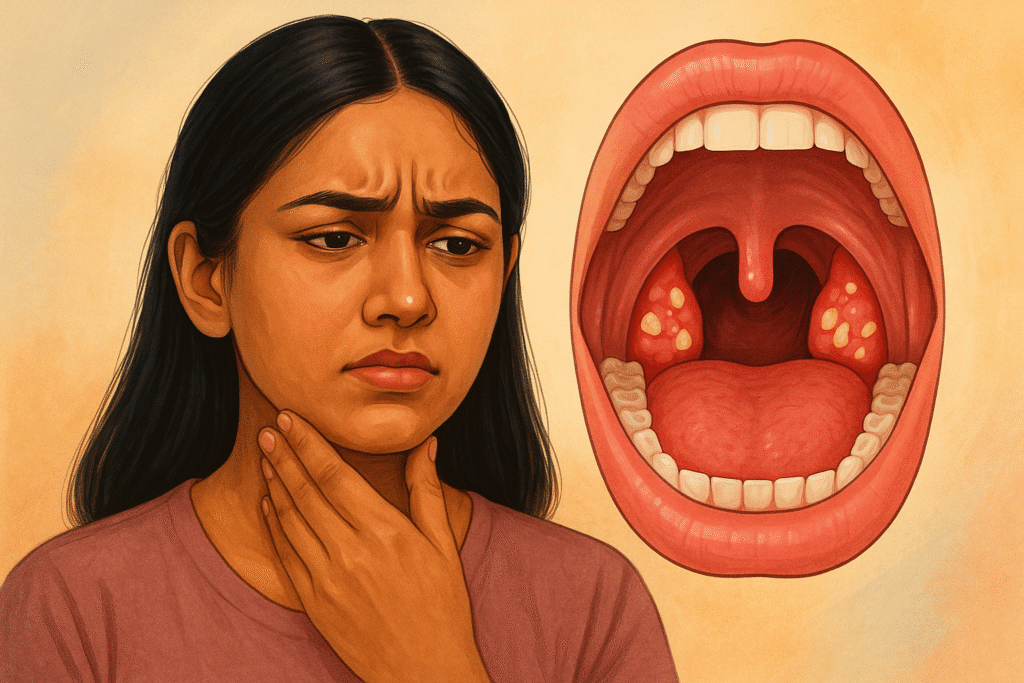

Managing Tonsil Health: Causes, Symptoms, Tests & Treatment Strategies
Recurring sore throats, difficulty swallowing, or a constant feeling of something stuck in your throat may be more than “just a cold.” Your tonsils play a critical role in immune defense, especially in childhood, but they are also prone to infection and chronic inflammation.
This detailed guide explains:
- What tonsils are and their function
- Common tonsil problems (tonsillitis, tonsil stones, enlarged tonsils)
- Symptoms you should never ignore
- Home care vs. when to see a doctor
- Medical and surgical treatments
- Key diagnostic tests and health checkups (with links to relevant packages from Seralis Lab)
What Are Tonsils & Why Are They Important?
Tonsils are two small, oval-shaped masses of lymphoid tissue located at the back of your throat (oropharynx). They are part of the immune system and act as your body’s first line of defense against germs entering through the mouth or nose.
Types of Tonsils
- Palatine tonsils: The ones most people refer to as “tonsils,” visible on either side of the throat.
- Adenoids (pharyngeal tonsil): Located higher up behind the nose; not visible via normal mouth opening.
- Lingual tonsils: Located at the base of the tongue.
Together, these tissues form the Waldeyer’s ring, an immunological barrier that helps trap and fight pathogens.
Common Tonsil Problems
1. Tonsillitis (Acute or Chronic)
Tonsillitis is inflammation of the tonsils, usually due to viral or bacterial infection.
Causes
- Viral infections: Adenovirus, influenza, Epstein–Barr virus (EBV), etc.
- Bacterial infections: Most commonly Group A Streptococcus (strep throat).
Symptoms
- Sore throat & pain while swallowing
- Red, swollen tonsils, sometimes with white patches or pus
- Fever and chills
- Bad breath
- Swollen lymph nodes in the neck
- Fatigue and malaise
When tonsillitis keeps coming back or lasts for weeks, it may be called chronic tonsillitis.
2. Tonsil Stones (Tonsilloliths)
Tonsil stones are small, calcified deposits that form in the crevices (crypts) of the tonsils. They consist of trapped food particles, bacteria, dead cells, and mucus.
Symptoms of Tonsil Stones
- Persistent bad breath (halitosis)
- Feeling of something stuck in the throat
- Visible white or yellowish lumps on the tonsils
- Mild throat discomfort or ear pain
3. Enlarged Tonsils & Sleep-related Issues
In children especially, enlarged tonsils or adenoids can narrow the airway and lead to:
- Snoring
- Pauses in breathing during sleep (sleep apnea)
- Restless sleep, bedwetting, daytime fatigue, behavioural issues
4. Peritonsillar Abscess (Quinsy)
A peritonsillar abscess is a collection of pus beside the tonsil, often a complication of untreated or severe tonsillitis.
Warning Signs
- Severe unilateral (one-sided) throat pain
- High fever
- Difficulty opening the mouth (trismus)
- Muffled “hot-potato” voice
- Drooling or difficulty swallowing
This is a medical emergency and requires prompt treatment.
5. Rare but Serious: Tonsil Cancer
In adults, persistent tonsil issues may rarely indicate tonsillar cancer, especially in smokers or those with heavy alcohol use or HPV infection.
Red Flag Symptoms
- Persistent one-sided sore throat
- Difficulty swallowing lasting >3 weeks
- Unexplained weight loss
- Blood in saliva
- Lump in the neck
Any such symptoms require urgent ENT evaluation.
When Should You See a Doctor for Tonsil Problems?
Consult a doctor or ENT specialist if you notice:
- Sore throat lasting >7–10 days
- Recurrent tonsil infections (e.g., >6 episodes in 1 year, or >3 per year for several years)
- High fever (>101°F / 38.3°C)
- Difficulty swallowing or breathing
- Significant snoring, gasping, or pauses in breathing during sleep
- Persistent bad breath, tonsil stones, or ear pain
- Change in voice or one-sided throat pain
Self-medication with over-the-counter antibiotics is unsafe and may lead to resistance or complications. Always get evaluated before starting antibiotics.
How Tonsil Problems Are Diagnosed
A comprehensive evaluation often includes physical examination plus selective blood and throat tests. Using the right diagnostic tests can help identify the cause (viral vs bacterial) and monitor overall health.
Clinical Examination
- Visual inspection of throat and tonsils
- Palpation of neck lymph nodes
- Assessment of breathing, speech, and swallowing
- In some cases, nasal endoscopy or laryngoscopy
Laboratory Tests for Tonsil & Throat Infections
Based on symptoms, your doctor may recommend specific laboratory tests. These can be conveniently booked via Seralis Lab, which offers reliable diagnostic services and health packages.
1. Complete Blood Count (CBC)
Why it’s important: Helps differentiate between viral and bacterial infection and assess severity of inflammation.
- High white blood cell (WBC) count usually suggests active infection.
- Neutrophil predominance often points to bacterial infection; lymphocytosis may suggest viral.
Relevant test: Look for CBC or Complete Hemogram in Seralis Lab’s test list:
Book CBC / Complete Hemogram at Seralis Lab
2. C-Reactive Protein (CRP) / ESR
Why it’s important: These are inflammatory markers that help gauge the intensity of infection and monitor response to treatment.
Relevant tests:
3. Throat Swab Culture / Rapid Strep Test
Why it’s important: Identifies whether Group A Streptococcus is the cause of sore throat, which guides antibiotic therapy.
Relevant test at Seralis Lab: Check for Throat Swab Culture or Throat Culture – Bacterial in microbiology section:
Book Throat Swab Culture at Seralis Lab
4. ASO Titre (Anti-Streptolysin O)
Why it’s important: Elevated ASO titre indicates recent streptococcal infection. This is particularly relevant if complications such as rheumatic fever are suspected.
Relevant test: ASO Titre Test at Seralis Lab
5. Comprehensive Health Checkups (Useful in Recurrent Tonsillitis)
Recurrent infections may be influenced by low immunity, uncontrolled diabetes, or underlying systemic issues. A broad health screening helps identify these factors.
- Diabetes Screening: Fasting Blood Sugar (FBS), HbA1c – poor sugar control increases infection risk.
Book Diabetes Profile / HbA1c at Seralis Lab - General Health Packages: May include CBC, ESR, CRP, liver and kidney function tests, vitamins, and more, offering a holistic overview of health.
Explore Preventive Health Packages at Seralis Lab
For a complete list of tests and packages, visit:
Seralis Lab Test & Package Catalogue
Treatment Strategies for Tonsil Problems
1. Home Remedies & Self-care
Mild viral tonsillitis or early symptoms may improve with conservative care:
- Warm salt-water gargles: 3–4 times daily to reduce throat pain and bacterial load.
- Hydration: Drink plenty of warm fluids (herbal teas, soups, warm water).
- Throat lozenges: Soothe irritation (adults and older children only).
- Steam inhalation: Helps with nasal congestion and throat discomfort.
- Pain and fever relief: Paracetamol or ibuprofen, as advised by your doctor.
- Rest and nutrition: Adequate sleep and balanced diet support immunity.
If symptoms worsen or don’t improve in 2–3 days, seek medical evaluation.
2. Medical Treatment
Antibiotics
- Prescribed when a bacterial infection is confirmed or strongly suspected (e.g., strep throat).
- Common options: penicillin, amoxicillin, or suitable alternatives if allergic.
- Important: Complete the full antibiotic course even if you feel better early.
Antiviral & Supportive Therapy
- Most viral tonsillitis cases require only symptomatic treatment.
- In specific infections like infectious mononucleosis (EBV), rest, hydration and monitoring are key.
Treatment of Peritonsillar Abscess
- Urgent drainage of the abscess by ENT specialist
- Intravenous or oral antibiotics as needed
- Pain control and close follow-up
3. Tonsillectomy (Surgical Removal of Tonsils)
Tonsillectomy may be recommended if:
- You have frequent episodes of tonsillitis (e.g., >6 times/year or >3/year for several years)
- Chronic or persistent tonsillitis affects quality of life
- Significant airway obstruction, sleep apnea, or growth problems in children
- Peritonsillar abscess occurs repeatedly
- Suspicion or diagnosis of tonsillar cancer
What to Expect
- Usually done under general anesthesia
- Post-operative throat pain and difficulty swallowing for 7–14 days
- Soft, cold foods (curd, ice-cream, smoothies) and plenty of fluids are recommended
- Most adults and children can resume normal activities after 1–2 weeks
Your ENT surgeon will clearly explain the risks, benefits, and alternatives before surgery.
Preventing Tonsil Infections & Maintaining Tonsil Health
Daily Habits for Better Throat Health
- Good oral hygiene: Brush twice a day, floss, and clean tongue regularly to reduce bacteria and debris that can lead to tonsil stones.
- Hydration: Drink enough water to prevent dryness in the mouth and throat.
- Avoid smoking and second-hand smoke: Smoking irritates and damages throat tissues, increasing infection risk and long-term complications.
- Limit alcohol & irritants: Very hot, spicy, or acidic foods can sometimes aggravate throat discomfort.
- Handwashing & mask use: Reduce spread of respiratory infections, especially during seasonal outbreaks.
Strengthening Immunity
- Balanced diet rich in fruits, vegetables, and lean protein
- Adequate sleep and regular exercise
- Manage chronic conditions (e.g., diabetes, allergies, reflux)
- Consider periodic health checkups to monitor overall wellness
You can use broad health screening packages from Seralis Lab to track parameters like blood counts, blood sugar, vitamin levels, and organ function, which indirectly support better immunity and infection control.
Special Considerations: Children vs Adults
Tonsil Problems in Children
- Children commonly get viral and bacterial tonsillitis due to developing immunity.
- Enlarged tonsils and adenoids can cause snoring, mouth-breathing, poor sleep, and behavioural issues.
- Tonsillectomy/adenoidectomy may be considered in recurrent or obstructive cases.
Tonsil Problems in Adults
- Adults with frequent tonsillitis may require thorough evaluation for underlying issues such as reflux, allergies, or reduced immunity.
- Risk of chronic tonsillitis and tonsil stones is higher in some individuals with poor oral hygiene or smoking habits.
- Persistent one-sided symptoms warrant screening for malignancy (tonsil cancer).
How Seralis Lab Can Help in Tonsil & Throat Health
Seralis Lab supports patients and doctors with accurate diagnostics that guide tonsil and throat care.
Key Tests to Discuss With Your Doctor
- Complete Blood Count (CBC / Complete Hemogram) – to assess infection and anemia.
- CRP / ESR – to estimate severity of inflammation.
- Throat Swab Culture – to identify bacterial causes like Group A Streptococcus.
- ASO Titre – for evidence of recent streptococcal infection.
- Diabetes & Metabolic Panels – if recurrent infections are suspected to be associated with poor sugar control or systemic issues.
Explore detailed tests and packages here:
Complete Seralis Lab Test & Package List
Frequently Asked Questions (FAQs) on Tonsil Health
1. How do I know if my sore throat is from tonsillitis or just a viral cold?
A common cold usually causes runny nose, mild sore throat, and cough, which improve in a few days. Tonsillitis often involves more intense throat pain, visible swelling or white patches on the tonsils, difficulty swallowing, and sometimes high fever. A doctor’s examination plus blood tests (like CBC) or throat swab may be needed for confirmation.
2. Are all tonsil infections contagious?
Most viral and bacterial infections causing tonsillitis are contagious and spread through respiratory droplets (coughing, sneezing, sharing utensils). Practise hand hygiene, avoid sharing drinks/utensils, and cover mouth when coughing or sneezing.
3. Can tonsil stones go away on their own?
Small tonsil stones can sometimes dislodge and pass on their own, especially with gargling and good oral hygiene. Larger, recurrent stones may need removal by a doctor or, in persistent cases, may be a reason to consider tonsillectomy.
4. When is tonsillectomy really necessary?
Tonsillectomy is usually considered when:
- There are frequent, documented infections
- Chronic tonsillitis affects daily life, schooling, or work
- There is obstructive sleep apnea or serious snoring due to enlarged tonsils
- A peritonsillar abscess recurs
- There is suspicion or evidence of tonsil cancer
The decision is individualised and made after consultation with an ENT specialist.
5. Can I prevent tonsil problems altogether?
While you cannot completely eliminate risk, you can significantly reduce it with:
- Good oral hygiene and regular dental care
- Balanced diet and hydration
- Not smoking and limiting alcohol
- Hand hygiene and avoiding close contact with people who have active infections
- Routine health checkups (e.g., preventive profiles from Seralis Lab) to monitor overall health
6. Is it safe for children to get their tonsils removed?
Yes, tonsillectomy is a common and generally safe procedure in children when done for valid indications. As with any surgery, there are risks (bleeding, infection, anesthesia-related issues), which will be discussed by your ENT surgeon. Many children experience improved sleep, fewer infections, and better quality of life post-surgery.
Key Takeaways
- Your tonsils help defend against infections but can themselves become infected or chronically inflamed.
- Watch for warning signs like high fever, difficulty breathing or swallowing, recurrent infections, or one-sided throat pain.
- Appropriate tests (CBC, CRP, throat swab, ASO titre) guide correct treatment and reduce complications.
- Home care helps mild cases, but persistent or severe symptoms require medical attention.
- Seralis Lab offers a range of diagnostic tests and health packages that support better evaluation and long-term throat and tonsil health.
If you or your child frequently suffer from sore throats or tonsil issues, speak to an ENT specialist and get the recommended tests done through a trusted lab partner like Seralis Lab for timely, accurate diagnosis and treatment.
References
- Windfuhr JP, Toepfner N, Steffen G, Waldfahrer F, Berner R. Clinical practice guideline: tonsillitis II. Surgical management. GMS Current Topics in Otorhinolaryngology – Head and Neck Surgery. 2016;15:Doc09. Available from: https://www.ncbi.nlm.nih.gov/pmc/articles/PMC5152454/
- Mitchell RB, Archer SM, Ishman SL, et al. Clinical Practice Guideline: Tonsillectomy in Children (Update). Otolaryngology–Head and Neck Surgery. 2019;160(1_suppl):S1–S42. Available from: https://journals.sagepub.com/doi/10.1177/0194599818801757
- Shulman ST, Bisno AL, Clegg HW, et al. Clinical Practice Guideline for the Diagnosis and Management of Group A Streptococcal Pharyngitis: 2012 Update. Clinical Infectious Diseases. 2012;55(10):e86–e102. Available from: https://academic.oup.com/cid/article/55/10/e86/321183
- National Health Service (NHS). Tonsillitis. NHS UK. Available from: https://www.nhs.uk/conditions/tonsillitis/
- Mayo Clinic Staff. Tonsillectomy. Mayo Clinic. Available from: https://www.mayoclinic.org/tests-procedures/tonsillectomy/about/pac-20395141
- Bhattacharyya N. Contemporary assessment of the disease burden of sinusitis and tonsillitis. Laryngoscope. 2009;119(3):585–588. Available from: https://doi.org/10.1002/lary.20130