
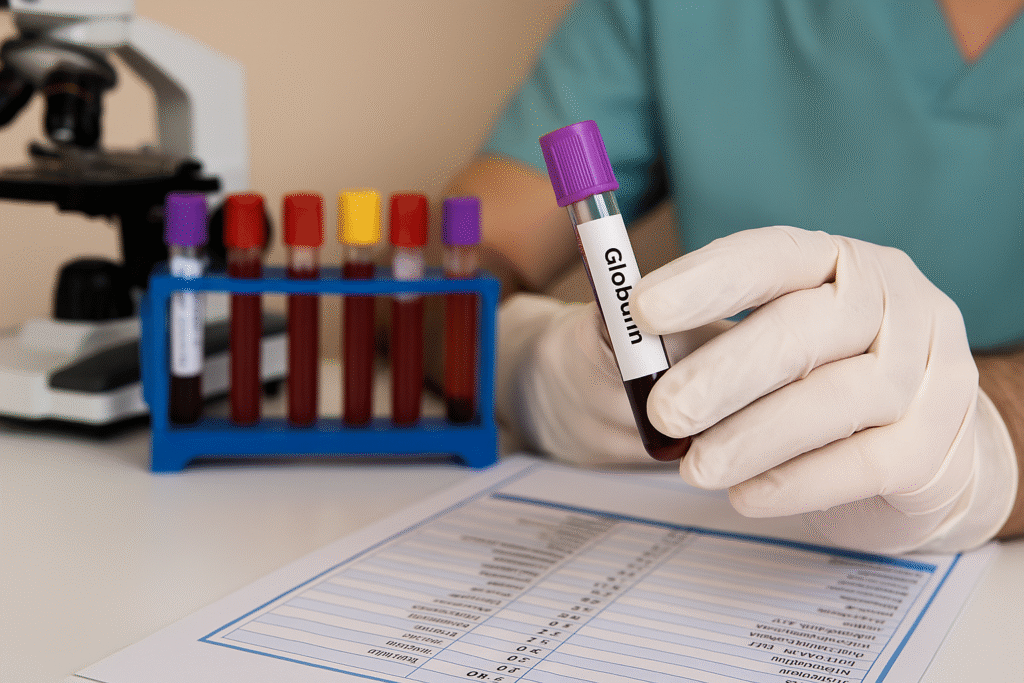

Globulin Test: Normal Range, High & Low Levels, and What Your Report Really Means
Globulins are a key group of proteins in your blood that play crucial roles in immunity, blood clotting, and transporting nutrients and hormones. A globulin test (usually reported as part of a total protein test or liver function test) helps assess your liver function, nutritional status, and immune health.
This guide explains what a globulin test is, why it’s done, normal ranges, causes and symptoms of high or low globulin levels, and when you should consider additional tests or health packages from Seralis Lab.
What Is a Globulin Test?
A globulin test measures the total amount of globulin proteins in your blood. Globulins are one of the two main types of blood proteins, the other being albumin. Together, albumin and globulin form the total protein level reported in many routine blood panels.
In most labs, globulin is not measured directly but is calculated as:
Globulin = Total Protein − Albumin
So you’ll often see globulin values in reports for:
- Liver Function Test (LFT)
- Kidney Function Test (KFT) / Renal Profile
- General Health Check-up packages
If your doctor suspects a specific immune or protein disorder, you may be advised a more detailed test called serum protein electrophoresis, which separates globulins into subtypes.
Types of Globulin Proteins
Globulins are divided into four main groups, each with different functions:
1. Alpha-1 Globulins
- Include alpha-1 antitrypsin and other proteins
- Help protect tissues from enzyme damage
- Changes may be seen in liver disease, inflammation, or genetic alpha-1 antitrypsin deficiency
2. Alpha-2 Globulins
- Include haptoglobin, alpha-2 macroglobulin, and others
- Involved in inflammation, clotting, and transport of metals and hormones
3. Beta Globulins
- Include proteins that transport iron (transferrin), lipids, and some immune proteins
- Can be altered in iron deficiency, liver disease, and some immune conditions
4. Gamma Globulins (Immunoglobulins)
- Also called antibodies (IgG, IgA, IgM, IgE, IgD)
- Produced by plasma cells as part of your body’s immune response
- Raised in infections, autoimmune diseases, and some blood cancers (e.g., multiple myeloma)
Why Is a Globulin Test Done?
Your doctor may evaluate globulin levels to help:
- Assess liver function and synthetic capacity
- Evaluate nutritional status (especially protein malnutrition)
- Investigate chronic inflammation or autoimmune disease
- Screen for or monitor blood cancers like multiple myeloma or lymphoma
- Investigate kidney diseases that cause protein loss
- Assess unexplained fatigue, weight loss, recurrent infections, or edema
Because globulin is closely tied to liver and immune function, significant deviation from normal values usually warrants further evaluation.
How Is the Globulin Test Done?
Sample Collection
- A fasting blood sample (usually 8–12 hours) from a vein in your arm
- Collected in a standard biochemistry tube
- Globulin is calculated from total protein and albumin measured on an analyser
Preparation
- Fasting: Often recommended if globulin is part of a comprehensive health check or LFT/KFT profile
- Medications: Inform your doctor about all medicines and supplements (e.g., steroids, hormones, protein supplements), as they may affect results
- Hydration: Stay well hydrated; severe dehydration can falsely elevate protein levels
Normal Globulin Range
Reference ranges can vary slightly between laboratories, but typical adult ranges are:
- Total Globulin (serum): 2.0 – 3.5 g/dL (20 – 35 g/L)
- Total Serum Protein: 6.0 – 8.3 g/dL
- Albumin: 3.5 – 5.0 g/dL
- Albumin/Globulin (A/G) ratio: 1.0 – 2.5
Always interpret your values in context of your lab’s reference ranges and your clinical condition.
High Globulin Levels (Hyperglobulinemia)
What Does High Globulin Mean?
Elevated globulin levels indicate an increase in one or more types of globulin proteins. This is commonly due to:
- Chronic inflammation or infection (e.g., tuberculosis, chronic bacterial infections)
- Autoimmune diseases (e.g., rheumatoid arthritis, systemic lupus erythematosus)
- Liver diseases (e.g., cirrhosis, chronic hepatitis)
- Plasma cell and lymphoid cancers (e.g., multiple myeloma, Waldenström’s macroglobulinemia, lymphoma)
- Chronic granulomatous diseases (e.g., sarcoidosis)
- Dehydration (concentrates proteins, including globulins)
Symptoms Associated With High Globulin
High globulin itself doesn’t cause symptoms, but related conditions can lead to:
- Unexplained fatigue and weakness
- Recurrent infections
- Joint pain or swelling (in autoimmune diseases)
- Unintentional weight loss
- Bone pain (especially in multiple myeloma)
- Swollen lymph nodes or enlarged liver/spleen
- Night sweats and low-grade fever
Conditions Linked to High Globulin
- Inflammatory and autoimmune diseases: Rheumatoid arthritis, lupus, chronic inflammatory bowel disease
- Chronic infections: Tuberculosis, chronic viral hepatitis, HIV
- Liver disease: Cirrhosis, chronic hepatitis, alcoholic liver disease
- Plasma cell disorders: Multiple myeloma, MGUS (monoclonal gammopathy of undetermined significance)
- Lymphoproliferative disorders: Certain lymphomas and leukemias
Follow-up Tests for High Globulin
Depending on your symptoms and medical history, your doctor may advise:
- Serum Protein Electrophoresis (SPEP) to distinguish polyclonal vs. monoclonal globulin increase
- Immunofixation electrophoresis
- Quantitative immunoglobulins (IgG, IgA, IgM)
- Liver function tests
- Kidney function tests
- Complete Blood Count (CBC)
- Inflammatory markers (ESR, CRP)
Relevant Tests & Packages from Seralis Lab
- Liver Function Test (LFT) – evaluates liver health and protein synthesis if globulin is high.
- Kidney Function Test (KFT) – useful if protein imbalance is suspected to be related to kidney involvement.
- C-Reactive Protein (CRP) – assesses active inflammation.
- Full Body Checkup – Advanced Package – comprehensive screening including liver, kidney, inflammation markers and more, recommended if you have persistent symptoms with raised globulin.
Low Globulin Levels (Hypoglobulinemia)
What Does Low Globulin Mean?
Low globulin levels suggest reduced production or excessive loss of globulin proteins. Common causes include:
- Protein-losing conditions:
- Kidney diseases (nephrotic syndrome – protein lost in urine)
- Protein-losing enteropathy (loss through gastrointestinal tract)
- Malnutrition or malabsorption:
- Inadequate dietary protein
- Conditions like celiac disease, chronic pancreatitis, inflammatory bowel disease
- Liver disease with impaired protein synthesis
- Immune deficiency disorders:
- Inherited (e.g., common variable immunodeficiency)
- Acquired (e.g., some hematologic malignancies, certain medications)
- Acute severe illness or burns (protein loss)
Symptoms Associated With Low Globulin
- Frequent recurrent infections (due to low immunoglobulins)
- Slow wound healing
- Edema (swelling) in legs, ankles, or around eyes
- Muscle wasting or weakness (in long-standing malnutrition)
- Chronic diarrhea or digestive issues (if malabsorption is present)
Conditions Linked to Low Globulin
- Nephrotic syndrome and other protein-losing kidney diseases
- Celiac disease and severe malabsorption disorders
- Severe liver dysfunction
- Primary immunodeficiency disorders
- Long-term steroid therapy or immunosuppressant use
Follow-up Tests for Low Globulin
- Kidney function tests and urine protein (24-hour urine protein or spot protein/creatinine ratio)
- Liver function tests
- Nutritional assessment (including serum albumin, vitamin levels)
- Immunoglobulin levels (IgG, IgA, IgM) to evaluate immune deficiency
- Celiac screening, stool tests, or imaging, if malabsorption is suspected
Relevant Tests & Packages from Seralis Lab
- Kidney Function Test (KFT) – important when low globulin is suspected to be from kidney protein loss.
- Liver Function Test (LFT) – evaluates liver synthetic function when globulins are low.
- Nutritional Deficiency Package – helpful if decreased globulin is linked to poor nutrition or malabsorption.
- Full Body Checkup – Basic Package – for an overall health overview if globulin is low on a routine report.
Albumin/Globulin (A/G) Ratio and Its Importance
The A/G ratio is calculated as:
A/G Ratio = Albumin ÷ Globulin
A normal ratio is usually between 1.0 and 2.5. Abnormal A/G ratios may point toward specific patterns:
Low A/G Ratio (Globulin relatively high)
- Chronic infections
- Autoimmune diseases
- Multiple myeloma and other gammopathies
- Cirrhosis and chronic liver disease
High A/G Ratio (Globulin relatively low)
- Genetic or acquired immunoglobulin deficiencies
- Some leukemias
- Severe malnutrition or protein-losing conditions
Your doctor will interpret the A/G ratio along with clinical findings and other lab parameters, particularly in liver and kidney profiles.
How to Prepare for a Globulin (Total Protein) Test
- Fasting: If part of a full body check-up, 8–12 hours fasting is usually recommended. Water is allowed.
- Medications: Share details of:
- Steroids
- Hormone therapy
- Immunosuppressants
- Protein supplements
- Recent illnesses: Recent infections, surgeries, or major illnesses can temporarily alter protein levels.
- Hydration: Avoid severe dehydration or excessive water intake just before the test.
Who Should Get a Globulin Test?
A globulin measurement (usually via total protein/albumin) is recommended for:
- People with suspected or known liver or kidney disease
- Those with unexplained weight loss, fatigue, or recurrent infections
- Individuals being evaluated for autoimmune disorders
- Monitoring patients with known multiple myeloma or other gammopathies
- As part of annual preventive health check-ups
Relevant Health Check Packages from Seralis Lab
- Full Body Checkup – Advanced Package – includes comprehensive biochemistry (liver, kidney, lipids, sugar, proteins) and is ideal for annual preventive screening.
- Liver Package (LFT + Viral Markers) – suitable if your doctor is specifically concerned about liver causes of abnormal globulin.
- Senior Citizen Health Package – useful for older adults at higher risk of chronic disease, including liver and kidney dysfunction.
Can Diet or Lifestyle Affect Globulin Levels?
While significant globulin changes usually reflect underlying medical conditions, some lifestyle factors can help maintain healthy protein balance:
- Balanced protein intake: Include lean meats, fish, eggs, dairy, legumes, nuts, and seeds.
- Liver-friendly habits: Limit alcohol, avoid unnecessary medications or supplements that may harm the liver, maintain a healthy weight.
- Hydration: Adequate fluid intake supports balanced blood concentration.
- Infection prevention: Vaccinations, hygiene, and prompt treatment of infections can help reduce chronic inflammation.
- Regular health check-ups: Early detection of liver, kidney, or immune problems prevents severe imbalances.
Diet alone cannot correct globulin abnormalities caused by serious liver, kidney, or immune diseases, so medical evaluation is essential.
When Should You See a Doctor?
Consult your doctor if your report shows:
- Significantly high or low globulin outside the reference range
- Abnormal A/G ratio
- Any of the following with abnormal protein levels:
- Persistent fatigue or weakness
- Unintentional weight loss
- Frequent infections
- Swelling in legs, face, or abdomen
- Bone pain or back pain
- Jaundice (yellowing of eyes/skin)
Your doctor may advise repeat testing, additional blood tests, imaging, or referral to a specialist (hepatologist, nephrologist, hematologist, or immunologist) depending on the pattern and severity of abnormal globulin levels.
Relevant Seralis Lab Tests & Packages for Globulin Evaluation
Based on your globulin report and clinical symptoms, these tests and health packages from Seralis Lab can be particularly useful:
Core Blood Tests
- Liver Function Test (LFT) – evaluates total protein, albumin, liver enzymes, and bilirubin.
- Kidney Function Test (KFT) – assesses kidney health when protein loss is suspected.
- Complete Blood Count (CBC) – helps identify infection, anemia, or blood-related disorders.
- C-Reactive Protein (CRP) – marker of inflammation, often raised when globulins are increased due to inflammatory conditions.
Health Packages
- Full Body Checkup – Basic Package – includes essential tests like CBC, LFT, KFT, lipids, and sugar for an overall assessment.
- Full Body Checkup – Advanced Package – a more comprehensive profile with extended parameters, recommended if you already have abnormal globulin or other protein abnormalities.
- Nutritional Deficiency Package – useful in suspected malnutrition or malabsorption contributing to low globulin.
- Liver Package (LFT + Viral Markers) – indicated when liver disease is suspected behind your abnormal globulin pattern.
Always select tests or packages in consultation with your doctor to ensure they are appropriate for your symptoms and medical history.
Key Takeaways
- Globulin is a major group of blood proteins with key roles in immunity, transport, and clotting.
- Globulin is usually calculated from total protein and albumin and is reported in many routine panels.
- High globulin can indicate chronic inflammation, infections, autoimmune disease, or blood cancers.
- Low globulin may be due to kidney protein loss, malnutrition, malabsorption, liver disease, or immune deficiencies.
- The Albumin/Globulin ratio provides additional clues to underlying conditions.
- Abnormal globulin values require clinical correlation and follow-up tests, not self-treatment.
- Comprehensive packages from Seralis Lab, such as Full Body Checkup – Advanced, can help in a detailed evaluation when globulin is abnormal.
FAQs About Globulin Test
1. Is a globulin test done separately?
In most cases, globulin is not measured directly. It is calculated from your total protein and albumin, which are part of standard panels like the Liver Function Test (LFT) or full body checkup packages.
2. Do I need to fast before a globulin test?
If globulin is being checked as part of a comprehensive health check, fasting for 8–12 hours is usually recommended. For an isolated LFT or total protein measurement, your doctor may or may not require fasting, depending on your clinical situation.
3. Can dehydration affect globulin levels?
Yes. Dehydration can concentrate blood and make total protein and globulin appear falsely higher. Similarly, overhydration can slightly dilute these values. That’s why overall hydration and clinical context are important when interpreting results.
4. Are abnormal globulin levels always serious?
Not always. Mild deviations may be temporary or related to minor infections or physiological variations. However, persistently or markedly abnormal globulin levels can point to underlying liver disease, kidney issues, autoimmune disorders, or blood cancers, and should be properly evaluated by a doctor.
5. Can lifestyle changes normalize globulin levels?
Healthy diet, adequate protein, limited alcohol, proper hydration, and infection control can support normal protein balance. But if abnormal globulin is due to a significant medical condition (e.g., liver cirrhosis, nephrotic syndrome, myeloma), medical treatment is essential. Lifestyle changes alone are not enough.
6. How often should I check my globulin levels?
For generally healthy individuals, checking total protein and globulin as part of an annual health check-up (such as the Full Body Checkup – Basic Package) is reasonable. If you have liver, kidney, autoimmune, or hematologic disorders, your doctor may ask for more frequent monitoring.
7. Which tests should I combine with globulin for a complete picture?
For a thorough evaluation, your doctor may advise:
- Liver Function Test (LFT)
- Kidney Function Test (KFT)
- Complete Blood Count (CBC)
- C-Reactive Protein (CRP)
- Serum protein electrophoresis and immunoglobulin levels (ordered when required)
References
- MedlinePlus. Total Protein and Albumin/Globulin (A/G) Ratio Test.
- Mayo Clinic Laboratories. Protein, Total, Serum.
- Cleveland Clinic. Total Protein and Albumin/Globulin (A/G) Ratio.
- McPherson RA, Pincus MR (eds). Henry’s Clinical Diagnosis and Management by Laboratory Methods, 24th ed. Elsevier; 2021.
- Rajkumar SV. Multiple Myeloma: 2020 Update on Diagnosis, Risk-Stratification and Management. N Engl J Med. 2020.
- European Association for the Study of the Liver (EASL). Clinical Practice Guidelines on non-invasive tests for evaluation of liver disease severity and prognosis.
Disclaimer: This article is for educational purposes only and is not a substitute for professional medical advice, diagnosis, or treatment. Always consult your doctor or qualified healthcare provider with any questions regarding a medical condition or test report.