
Ginger Powder (Sonth): Amazing Benefits, Uses, Side Effects & Precautions
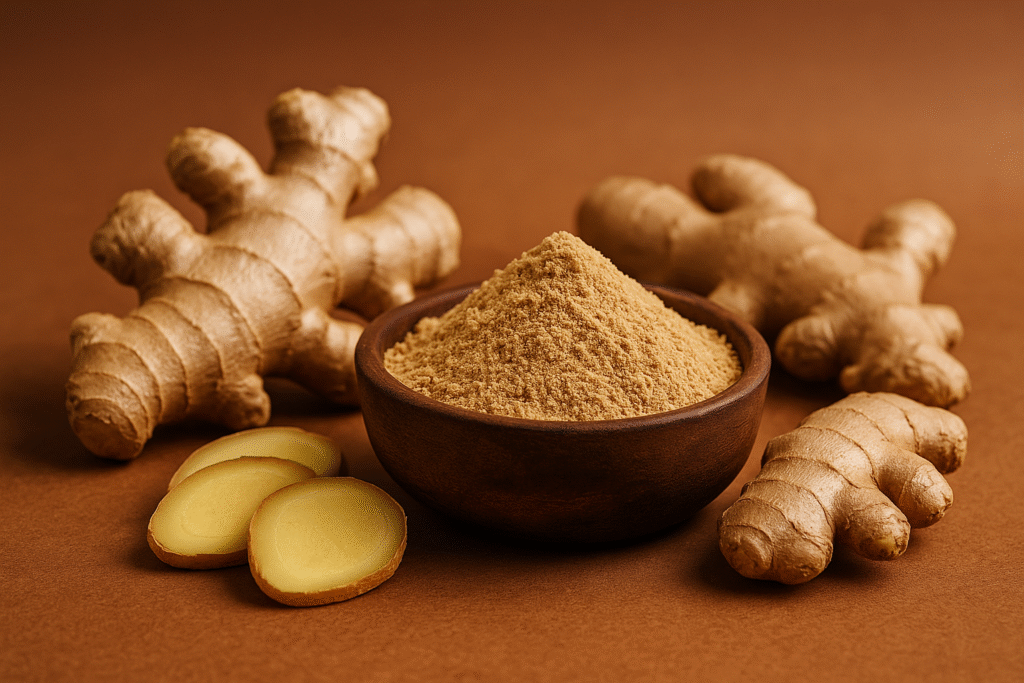
Ginger powder, also known as sonth or saunth, is one of the most powerful spices in your kitchen. Made from dried ginger root, this fine off-white to light brown powder is used in Ayurvedic remedies, herbal teas, homemade kadha, and everyday cooking.
From easing digestion and boosting immunity to helping with pain and inflammation, sonth has been valued for centuries. Modern science is now catching up and validating many of these traditional benefits.
In this guide, you’ll learn:
- What ginger powder is and how it’s made
- Key health benefits of sonth (with research references)
- How it may help in cough, cold, digestion, weight management and more
- Possible side effects, risks and who should avoid it
- Best ways to use ginger powder daily
- Important health tests you should consider if you use ginger regularly
What Is Ginger Powder (Sonth)?
Ginger powder is made by cleaning, drying and grinding fresh ginger root (Zingiber officinale). While fresh ginger is juicy and pungent, sonth has a more concentrated, warming and slightly sweet-spicy flavour.
Fresh Ginger vs Ginger Powder
- Fresh ginger: high moisture, milder flavour, often used in cooking and fresh juice
- Dried ginger powder (sonth): low moisture, longer shelf life, stronger and warmer taste, easy to add to teas, kadha, laddoos, herbal mixes
In Ayurveda, sonth is considered ushna (heating) in nature and is widely used for:
- Improving digestion and metabolism
- Relieving cough, cold and congestion
- Reducing joint pain and stiffness
- Supporting circulation
Key Nutrients & Active Compounds in Ginger Powder
Sonth is especially rich in potent bioactive compounds that give it its health benefits.
Important Components Found in Ginger
- Gingerols – main active compounds in fresh ginger; anti-inflammatory and antioxidant
- Shogaols – formed when ginger is dried or heated; even more potent than gingerols
- Zingerone – contributes to flavour and some digestive benefits
- Essential oils – such as zingiberene, which support digestion and circulation
Basic Nutrients (Per 100 g of Dry Ginger Powder, Approx.)
- Calories: ~350 kcal
- Carbohydrates: ~70–75 g
- Protein: ~8–9 g
- Fat: ~4–5 g
- Dietary fibre: ~15 g
- Minerals: potassium, magnesium, manganese, small amounts of iron and calcium
While you consume ginger powder in much smaller quantities (½–1 tsp), regular intake can still offer powerful biological effects because of its active phytonutrients.
Health Benefits of Ginger Powder (Sonth)
Here are the science-backed benefits of ginger powder, along with traditional uses.
1. Aids Digestion & Relieves Indigestion
Sonth has long been used as a home remedy for gas, bloating and slow digestion. Studies show ginger can:
- Help the stomach empty faster (1)
- Reduce feelings of abdominal discomfort
- Support bile production, which helps digest fats
How it helps: Ginger stimulates digestive enzymes and motility, making digestion smoother and reducing heaviness after meals.
Consider these tests if you have chronic indigestion or acidity:
- Comprehensive Liver Function Test (LFT) – to assess liver health, which is closely tied to digestion and fat metabolism.
- Comprehensive Metabolic Profile – to check overall metabolism, electrolytes and organ function.
2. Helps in Nausea & Motion Sickness
Ginger is one of the most researched natural remedies for nausea. Multiple clinical trials have found ginger effective in:
- Reducing pregnancy-related nausea and morning sickness (2)
- Helping with post-operative nausea and vomiting
- Reducing motion sickness in some individuals (3)
A pinch of sonth in warm water or herbal tea may help settle the stomach. However, pregnant women should always consult their doctor before using ginger supplements or high doses.
3. Supports Relief in Cough, Cold & Sore Throat
As a warming spice, sonth is widely used in homemade remedies for:
- Common cold
- Mild sore throat
- Nasal congestion
- Productive cough (with phlegm)
Its anti-inflammatory, antioxidant and mild antimicrobial properties may provide symptomatic relief. Ginger can also promote sweating, which is traditionally used to help bring down mild fevers.
Helpful tests if you have frequent respiratory infections:
- CBC (Complete Blood Count) – to assess overall immune status and rule out infection or anaemia.
- CRP / High Sensitivity CRP – to check systemic inflammation levels.
4. Anti-Inflammatory & Pain-Relieving Properties
Ginger’s gingerols and shogaols have been shown to have anti-inflammatory effects, similar to non-steroidal anti-inflammatory drugs (NSAIDs), but with fewer side effects in many cases (4).
Research suggests ginger may help with:
- Osteoarthritis pain, especially in the knee – some studies report moderate pain relief with regular ginger intake
- Muscle soreness after exercise
- General inflammatory conditions, as part of a holistic diet
Key test to monitor if you have chronic joint pain or suspected inflammation:
- ESR & CRP Panel – to track inflammatory activity in the body.
5. May Help Regulate Blood Sugar (Diabetes Support)
Several studies indicate that ginger may help improve insulin sensitivity and reduce fasting blood sugar levels in people with type 2 diabetes (5).
Possible mechanisms include:
- Enhancing glucose uptake by cells
- Reducing insulin resistance
- Decreasing oxidative stress and inflammation linked to diabetes
However, ginger is not a replacement for prescribed diabetes medications. It may be used as an adjunct under medical guidance.
Essential tests if you have diabetes or prediabetes:
- Fasting Blood Sugar (FBS)
- HbA1c (Glycosylated Hemoglobin) – to monitor 3-month average blood sugar
- Diabetes Profile Package – a bundled panel for regular monitoring (fasting sugar, HbA1c, kidney function, lipids etc.).
6. Supports Heart Health
By helping reduce inflammation and improving metabolism, ginger may indirectly support heart health. Some studies suggest ginger can:
- Help reduce total cholesterol and LDL (“bad”) cholesterol
- Improve blood circulation by mildly thinning the blood
- Lower oxidative stress that contributes to heart disease (6)
Because ginger may influence blood clotting, people on blood thinners should be cautious and consult their doctor.
Key heart-related tests to consider:
- Lipid Profile – to check cholesterol and triglyceride levels.
- Cardiac Risk Profile – a more comprehensive package including lipids, sugar markers and sometimes hs-CRP.
7. May Support Weight Management
Ginger has a mild thermogenic effect, meaning it may slightly increase calorie burning and fat metabolism. Studies have explored ginger’s role in:
- Reducing appetite in some individuals
- Supporting fat breakdown and improving metabolic rate (7)
- Lowering markers related to obesity-induced inflammation
Ginger alone will not cause weight loss, but as part of a balanced diet and active lifestyle, it may support your efforts.
Useful tests if you are working on weight management:
- Thyroid Profile (TSH, T3, T4) – to rule out thyroid-related weight issues.
- Obesity & Metabolic Panel – combined tests for lipids, sugar, liver function and more.
8. Powerful Antioxidant Support
Ginger powder is rich in antioxidants that help neutralise harmful free radicals. This may:
- Protect cells from oxidative damage
- Support healthy ageing
- Help reduce the risk of chronic diseases linked with oxidative stress
Optional monitoring tests for overall health & oxidative stress-related conditions:
- Comprehensive Health Check-Up Package – usually includes CBC, LFT, KFT, lipid profile, sugar tests and more.
How to Use Ginger Powder (Sonth) in Daily Life
Because ginger powder is more concentrated than fresh ginger, a little goes a long way.
General Recommended Amount
- Typical culinary use: ½ – 1 teaspoon per day (about 1–3 grams)
- Higher doses (e.g., capsules): only under medical or professional guidance
Individual tolerance varies. If you are new to ginger powder, start with a small pinch and increase gradually.
Popular Ways to Use Sonth
1. Ginger Herbal Tea
- ½ teaspoon sonth
- 1–1.5 cups hot water
- Optional: tulsi, cinnamon, honey (add honey only when water is warm, not boiling)
Steep for 5–7 minutes and sip slowly. This can be soothing for digestion and mild cold symptoms.
2. Kadha for Cough & Cold
Combine sonth with tulsi, black pepper, cloves and mulethi in boiling water. Reduce to half, strain and drink warm.
Note: This is a supportive home remedy, not a substitute for medical treatment in severe infections or high fever.
3. In Cooking & Baking
- Add a pinch to curries, dals and soups for flavour and digestion support.
- Use in ginger cookies, cakes, herbal laddoos and traditional sweets.
4. With Honey for Sore Throat
Mix a pinch of sonth with 1 teaspoon honey and lick slowly. This may help soothe mild soreness and irritation.
Warning: Do not give honey to children under 1 year of age.
Side Effects & Risks of Ginger Powder
While ginger is generally safe in small culinary amounts, higher doses or supplements can cause side effects in some people.
Common Side Effects (Usually with High Intake)
- Heartburn or acidity
- Stomach upset or discomfort
- Loose stools or diarrhoea
- Burning sensation in mouth or throat
If you notice persistent discomfort after using sonth, reduce your dose or stop using it and consult a doctor.
Who Should Be Careful With Ginger Powder?
- People on blood thinners (e.g., warfarin, aspirin, clopidogrel): Ginger may increase bleeding risk when used in large amounts.
- Individuals with bleeding disorders: Use only after medical advice.
- Pregnant women: Ginger can help with nausea, but dosage and form should be discussed with a gynaecologist.
- People with gallstones: Ginger may stimulate bile flow; consult your doctor if you have gallbladder issues.
- Those with severe acidity or ulcers: High amounts may worsen symptoms in some individuals.
Allergic Reactions
Although rare, some people can be allergic to ginger. Symptoms could include:
- Rash or itching
- Swelling of lips, tongue or face
- Breathing difficulty
If you experience these symptoms, stop ginger immediately and seek urgent medical help.
Important Health Tests to Consider if You Use Ginger Regularly
If you are using ginger powder daily as part of your wellness routine, it’s wise to keep track of your overall health, especially if you have chronic conditions. Seralis Lab offers several relevant tests and packages (check the latest offerings on seralislab.com).
1. For Digestion & Liver Health
- Liver Function Test (LFT) – to monitor liver enzymes, bilirubin and protein levels.
- Comprehensive Metabolic Panel – to assess liver, kidney and electrolyte balance.
2. For Diabetes & Blood Sugar
- Fasting Blood Sugar (FBS)
- HbA1c
- Diabetes Health Package – bundled tests for regular diabetes monitoring.
3. For Heart & Cholesterol
- Lipid Profile
- Cardiac Risk Assessment Package – includes multiple heart-related markers.
4. For Inflammation & Immunity
- CBC – to check haemoglobin, white cells and platelets.
- CRP / ESR Panel – to monitor inflammatory activity.
5. Thyroid & Metabolism (Weight Concerns)
Regular testing helps you and your doctor understand how your lifestyle, including the use of herbal and spice remedies like ginger, is affecting your health.
Frequently Asked Questions (FAQs)
1. Is ginger powder (sonth) better than fresh ginger?
Both have their own benefits. Fresh ginger contains more gingerols and water-soluble compounds, while dried ginger powder is richer in shogaols and has a stronger, warmer effect. For cough, cold and some Ayurvedic remedies, sonth is preferred. For everyday cooking and fresh juices, fresh ginger works well.
2. Can I take ginger powder every day?
Most healthy adults can safely consume up to 1–2 teaspoons of ginger powder daily in food or drink. However, if you are pregnant, on blood thinners, have gallstones, ulcers or any chronic condition, you should consult your doctor about a safe dose.
3. Can ginger powder help in weight loss?
Ginger powder can support weight management by slightly boosting metabolism, aiding digestion and possibly improving insulin sensitivity. But it will not cause weight loss by itself. A balanced diet, calorie control, physical activity and checking underlying conditions like thyroid or insulin resistance remain essential.
4. Does sonth help in acidity or worsen it?
In small amounts, ginger may actually support digestion and reduce gas or bloating. However, in some individuals, especially those prone to hyperacidity, high amounts of ginger powder can worsen heartburn. Start with very small quantities and monitor your response.
5. Can pregnant women take ginger powder?
Research shows ginger can help with mild to moderate pregnancy-related nausea, but dosage and form are crucial. Pregnant women should not self-medicate with high doses of ginger powder or supplements. Always consult your gynaecologist before using ginger regularly in pregnancy.
6. Is ginger powder safe for children?
In tiny, culinary amounts (for example, a pinch in food or mild kadha), ginger can be used for older children. For small children and infants, especially under 2 years, always consult a paediatrician before giving any herbal remedy. Never give honey to children under 1 year.
7. Can ginger interact with medicines?
Yes. Ginger can interact with:
- Blood thinners (warfarin, aspirin, clopidogrel)
- Some blood pressure and diabetes medicines at high doses
If you are on chronic medication, discuss ginger use with your doctor to avoid interactions.
8. How should I store ginger powder?
Store in an airtight container in a cool, dry, dark place – away from direct sunlight and moisture. Properly stored sonth can remain potent for 6–12 months. If it smells weak or musty, it’s time to replace it.
Key Takeaways
- Ginger powder (sonth) is a potent, warming spice with strong digestive, anti-inflammatory and antioxidant properties.
- It may help with indigestion, nausea, cough & cold, joint pain, blood sugar and heart health as part of an overall healthy lifestyle.
- High doses can cause acidity, stomach upset or interact with medicines, especially blood thinners.
- Most people can safely use small amounts daily, but those with chronic illnesses or pregnancy should consult a doctor.
- Regular health check-ups and lab tests from trusted providers like Seralis Lab help you track your health while using herbal and spice remedies.
Disclaimer: This article is for educational purposes only and is not a substitute for professional medical advice, diagnosis or treatment. Always consult your doctor before starting or modifying any diet, supplement or herbal remedy, especially if you have existing health conditions or are on medications.
References
- Mizuno, S., et al. “Effects of ginger on gastric motility and symptoms of functional dyspepsia.” World Journal of Gastroenterology, 2010. Available at: https://www.wjgnet.com/1007-9327/full/v16/i2/123.htm
- Pongrojpaw, D., & Somprasit, C. “A randomized comparison of ginger and dimenhydrinate in the treatment of nausea and vomiting in pregnancy.” Journal of the Medical Association of Thailand, 2003. Abstract: https://pubmed.ncbi.nlm.nih.gov/14649969/
- Lien, H. C., et al. “Ginger (Zingiber officinale) reduces nausea, dizziness, and cold sweating, but not gastric dysrhythmias induced by circular vection.” American Journal of Physiology, 2003. Abstract: https://pubmed.ncbi.nlm.nih.gov/12679371/
- Grzanna, R., Lindmark, L., & Frondoza, C. G. “Ginger—An herbal medicinal product with broad anti-inflammatory actions.” Journal of Medicinal Food, 2005. Available at: https://www.liebertpub.com/doi/10.1089/jmf.2005.8.125
- Mahluji, S., et al. “Effect of ginger (Zingiber officinale) on blood glucose and lipid concentrations in diabetic and healthy subjects: A randomized controlled trial.” Iranian Journal of Pharmaceutical Research, 2013. Available at: https://pubmed.ncbi.nlm.nih.gov/24250560/
- Alizadeh-Navaei, R., et al. “Effect of ginger on lipid levels: A systematic review and meta-analysis of randomized controlled trials.” Journal of Research in Medical Sciences, 2008. Abstract: https://pubmed.ncbi.nlm.nih.gov/21526079/
- Maharlouei, N., et al. “The effect of ginger intake on weight and metabolic profiles among overweight and obese individuals: A systematic review and meta-analysis of randomized controlled trials.” Critical Reviews in Food Science and Nutrition, 2019. Abstract: https://pubmed.ncbi.nlm.nih.gov/29696822/