
8 Popular Food Combinations You Should Avoid (And Healthier Alternatives)
Some food combos are so common that we never question them – fruit with yogurt, tea with snacks, or milk with salty foods. But certain combinations can stress your digestion, affect nutrient absorption, trigger acidity, or even worsen chronic health conditions over time.
In this article, you’ll learn:
- 8 popular food combinations that may be harmful if eaten regularly
- Why these combinations can cause problems (based on nutrition science)
- Healthier alternatives you can start using today
- Which health checkups and lab tests you should consider if you regularly consume such combinations
This guide is optimised for both SEO and AEO (Answer Engine Optimization) – clearly structured, question-focused, and backed by scientific references.
Why Food Combinations Matter for Your Health
Your digestive system is designed to handle a wide variety of foods, but:
- Different foods digest at different speeds
- Some nutrients compete for absorption
- Certain combinations may worsen acidity, bloating, gas, insulin spikes, or inflammation
Over time, poor food pairing can contribute to:
- Digestive issues (bloating, constipation, indigestion)
- Weight gain and insulin resistance
- Nutrient deficiencies (iron, calcium, B12, etc.)
- Increased risk of metabolic and cardiovascular diseases
If you’ve been struggling with unexplained fatigue, frequent acidity, or digestive discomfort, reviewing your daily food combinations is a smart first step – along with appropriate health checkups such as:
- Comprehensive health packages from Seralis Lab (including tests for blood sugar, liver, kidney, lipids and more)
8 Popular Food Combinations You Should Avoid
1. Fruit + Main Meals (Especially Heavy Or High-Protein Meals)
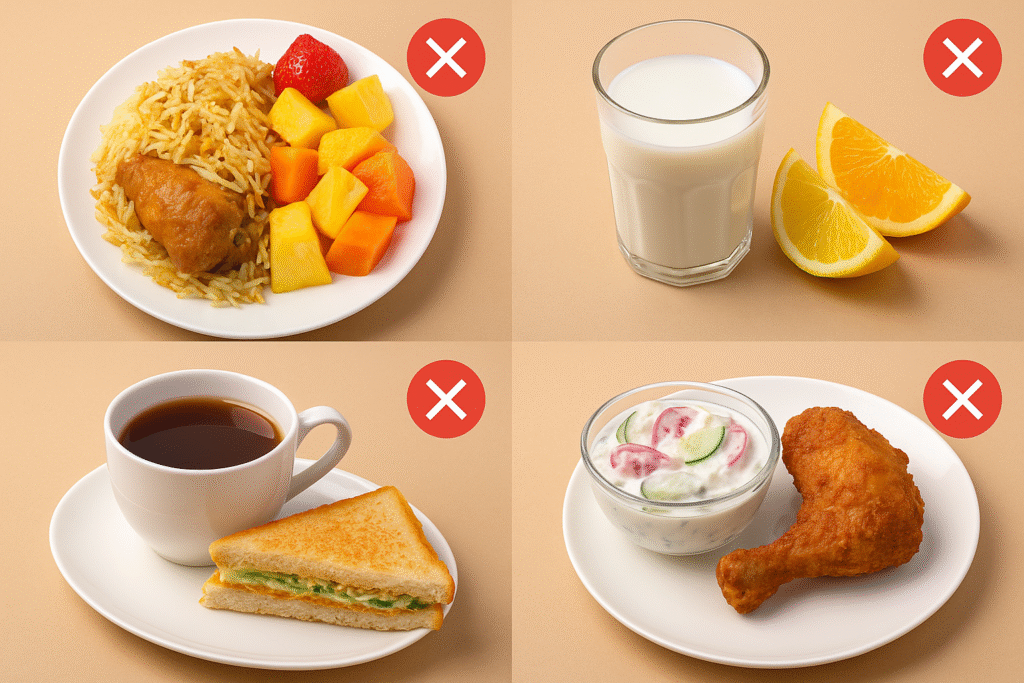
Examples: Fruit salad after a heavy lunch, fruit dessert after a biryani/pulao, fruit with meat/egg meals.
Why this combination can be harmful
- Fruits digest faster than complex meals. When eaten immediately after a heavy meal, they may ferment in the stomach while waiting to be digested.
- This can lead to gas, bloating, and discomfort in some people.
- Large mixed meals with simple sugars (from fruits) can cause more pronounced blood sugar spikes, especially in people with prediabetes or diabetes.
A study in the Journal of the American Dietetic Association notes that mixed meals with high glycaemic load can impact post-meal glucose and insulin responses.
Better alternatives
- Eat fruits alone, between meals, ideally 1.5–2 hours away from large meals.
- Have fruits as a mid-morning or early evening snack instead of a dessert right after lunch/dinner.
Relevant health tests from Seralis Lab
- Fasting Blood Glucose & HbA1c – to assess blood sugar control and diabetes risk.
Check: Diabetes or Blood Sugar Test Packages - Comprehensive Metabolic Profile – to evaluate liver and kidney function along with glucose.
See: Full Body Checkup Packages
2. Milk + Citrus Fruits (Or Sour Fruits)
Examples: Milk with orange, sweet lime, lemon, pineapple, or amla; milk-based smoothies with sour fruits.
Why this combination can be harmful
- The acidic nature of citrus fruits can cause milk to curdle in the stomach.
- This may lead to heaviness, indigestion, or reflux in some individuals.
- There is also a theoretical concern that it may impact the bioavailability of certain nutrients, although research is limited.
General nutrition references such as StatPearls – Lactose Intolerance indicate that dairy can already be difficult to digest in many adults; adding acidity may worsen symptoms.
Better alternatives
- Combine milk with non-acidic fruits like banana, dates, or mango (in moderation).
- Use plant-based milk (almond, oat, soy) for citrus-based smoothies if you like that flavour.
Relevant health tests from Seralis Lab
- Lactose Intolerance & Digestive Health–related panels (Stool tests, basic GI evaluation) – if you experience repeated bloating or diarrhoea after dairy.
Explore: Gastrointestinal & Stool Test Packages - Vitamin D & Calcium Profile – important if you avoid dairy or digest it poorly.
See: Bone & Vitamin Test Packages
3. Tea Or Coffee Immediately After Meals (Especially Iron-Rich Meals)
Examples: Tea right after breakfast or lunch, coffee after iron-rich meals like dal, leafy greens, or meat.
Why this combination can be harmful
- Tea and coffee contain tannins and polyphenols that can reduce iron absorption from plant foods and even meat.
- This is especially problematic for:
- Women with heavy periods
- Pregnant women
- People with borderline or low haemoglobin
Research has shown that tea can decrease iron absorption significantly. For example, a study in the American Journal of Clinical Nutrition found that tea can reduce non-heme iron absorption from a meal by up to 60–70% in some cases.
Better alternatives
- Wait at least 1–2 hours after meals before drinking tea or coffee.
- Pair iron-rich vegetarian foods with vitamin C–rich foods (like lemon, amla, guava) to boost iron absorption instead.
Relevant health tests from Seralis Lab
- Complete Blood Count (CBC) – to detect anaemia or low haemoglobin.
Check: CBC & Basic Health Profiles - Iron Studies / Anaemia Profile – serum iron, ferritin, TIBC.
See: Anaemia & Iron Deficiency Packages
4. High-Protein + High-Fat Heavy Meals
Examples: Fried chicken, deep-fried paneer with rich gravies, cheese-loaded meat dishes, creamy non-veg curries with lots of oil and butter.
Why this combination can be harmful
- Protein and fat both slow gastric emptying; together in large amounts they can cause heaviness, indigestion, and sluggishness.
- Such meals often have a very high calorie density, contributing to weight gain, high cholesterol, and triglycerides.
- Research in journals like New England Journal of Medicine associates frequent intake of energy-dense, high-fat foods with weight gain and cardiometabolic risk.
Better alternatives
- Choose lean proteins (grilled fish, boiled eggs, lentils, grilled paneer) with minimal oil.
- Balance the meal with plenty of vegetables and whole grains to improve fibre content and satiety.
- Limit deep-fried items to an occasional treat, not a daily habit.
Relevant health tests from Seralis Lab
- Lipid Profile – to monitor cholesterol and triglycerides.
Explore: Heart & Cholesterol Test Packages - Liver Function Test (LFT) – high-fat diets can increase risk of fatty liver.
See: Liver Health Packages - Full Body Checkup – including glucose, lipids, liver, kidney, CBC.
Check: Comprehensive Health Packages
5. Milk Or Curd With Salty And Savoury Foods
Examples: Milk with salty snacks, curd with fish, raita with very salty fried food, salty lassi.
Why this combination can be harmful
- Ayurvedic principles suggest that milk and salty foods are an incompatible combination and may lead to skin and digestive disturbances in susceptible people.
- From a modern nutrition perspective, very high-sodium diets combined with full-fat dairy may impact blood pressure and cardiovascular risk.
- Fermented dairy (curd) with certain proteins like fish is traditionally discouraged, partly due to concerns over digestion and histamine load, though strong clinical evidence is limited.
Better alternatives
- Have plain or mildly salted curd with simple meals.
- Avoid combining curd with fish; choose lemon, herbs, or light salads as sides instead.
- Limit intake of highly salted and deep-fried foods overall.
Relevant health tests from Seralis Lab
- Blood Pressure & Cardiac Risk Panels (including Lipid Profile & ECG where bundled) – for those consuming high-salt diets.
See: Heart Health & BP-Related Packages - Kidney Function Test (KFT) – high sodium can stress the kidneys over time.
Explore: Kidney Health Packages
6. Carbs Overload: Refined Carbs + Sugary Drinks Or Desserts
Examples: White rice with sweetened drinks, pizza with soft drinks, burgers and fries with large sodas, sweets right after a high-carb meal.
Why this combination can be harmful
- Combining refined carbs (white rice, maida, fries) with sugary beverages or desserts creates a very high glycaemic load.
- This leads to sharp blood sugar and insulin spikes, contributing over time to:
- Weight gain
- Insulin resistance and type 2 diabetes
- Fatty liver and raised triglycerides
- Studies like those in Diabetes Care have consistently linked sugary beverages with an increased risk of diabetes.
Better alternatives
- Replace sugary drinks with water, buttermilk, unsweetened lemon water, or herbal teas.
- Choose whole grains (brown rice, millets, whole wheat) instead of refined ones.
- Keep desserts as occasional treats, not a daily habit, and consume smaller portions.
Relevant health tests from Seralis Lab
- HbA1c, Fasting & Postprandial Blood Sugar – to detect prediabetes or diabetes early.
Check: Diabetes Screening Packages - Liver Function Test & Ultrasound (where bundled) – to monitor for fatty liver in at-risk individuals.
Explore: Liver & Metabolic Health Packages - Lipid Profile – high sugar intake often elevates triglycerides.
See: Cholesterol & Heart Risk Packages
7. Protein Shakes + Heavy Meals Or High-Fat Snacks
Examples: Protein shake with a full meal, whey shake + fries, high-protein smoothie as “dessert” after a heavy dinner.
Why this combination can be harmful
- Protein shakes are meant to be nutrient-dense; combining them with a big meal can exceed your daily calorie and protein needs.
- In people with underlying or borderline kidney issues, chronically high protein intake may add additional stress to kidneys.
- Combining protein shakes with high-fat, fried foods reduces overall diet quality and can contribute to weight gain.
Guidelines from organisations like the National Kidney Foundation highlight that people with kidney disease need to monitor protein intake carefully.
Better alternatives
- Use protein shakes as a snack or meal replacement when needed – not in addition to an already heavy meal.
- Always pair protein shakes with a balanced diet and adequate water intake.
Relevant health tests from Seralis Lab
- Kidney Function Test (KFT) – urea, creatinine, eGFR.
Check: Kidney Health & Renal Profile Packages - Comprehensive Health Checkup – for regular gym-goers or those on supplements to monitor kidney, liver, and metabolic health.
See: Fitness & Preventive Health Packages
8. Multiple Fermented Foods In One Meal (High Histamine Load)
Examples: Curd + pickles + fermented batters (idli/dosa) + cheese in one meal; alcohol with cheese and cured meats.
Why this combination can be harmful
- Fermented foods are generally healthy, but they can be high in histamine and biogenic amines.
- In people with histamine intolerance or gut imbalances, overloading fermented foods may cause:
- Headaches
- Flushing or rashes
- Digestive discomfort
- Some research, such as reviews in Nutrients, discusses the role of histamine and biogenic amines in food intolerance and symptoms.
Better alternatives
- Include fermented foods, but in moderate amounts and not in excess at every meal.
- If you notice headaches or rashes after such meals, try reducing or rotating fermented items.
Relevant health tests from Seralis Lab
- Allergy & Intolerance Panels – for those with suspected food sensitivities.
Explore: Allergy & Food Sensitivity Packages - Gut Health & Stool Tests – to assess digestive health, infections, or inflammation.
See: Gastrointestinal Test Packages
How To Build Better Food Combinations
Simple rules for healthier pairing
- Prioritise whole foods – vegetables, fruits, whole grains, nuts, seeds, and lean proteins.
- Space out fruit – have it alone, between meals.
- Limit refined sugar + refined carbs in the same meal.
- Don’t overload one meal with too much fat, protein, and sugar combined.
- Watch your beverages – tea/coffee timing, sugary drinks, and alcohol with very heavy foods.
When to get tested
Consider health checkups from Seralis Lab if you:
- Frequently experience bloating, acidity, or indigestion
- Feel tired, weak, or dizzy (possible anaemia or blood sugar issues)
- Have a family history of diabetes, heart disease, or kidney disease
- Are on a high-protein or special diet (keto, bodybuilding, etc.)
Regular tests like CBC, Lipid Profile, Liver & Kidney Function, Blood Sugar, and Vitamin Profiles help you catch issues early and tailor both your diet and lifestyle more accurately.
FAQs: Food Combinations & Health
1. Is it okay to eat fruits with meals sometimes?
Yes, if you have a strong digestion and no bloating, having a small portion of fruit with meals occasionally is usually fine. The concern is with large amounts of fruit immediately after heavy meals, especially in people prone to acidity or gas.
2. Can I drink tea with breakfast every day?
You can, but if your breakfast includes iron-rich foods (like poha with peanuts, sprouts, leafy veggies, or fortified cereals), tea may reduce iron absorption. It’s better to have tea 30–60 minutes after breakfast rather than with it. If you suspect low haemoglobin, get a CBC & Iron Profile from Seralis Lab.
3. Is curd with rice a bad combination?
For most people, curd rice is soothing and easy to digest, especially in hot weather. The concern arises when curd is combined with heavy, oily, or incompatible proteins like fish, or when there is pre-existing lactose intolerance or gut issues.
4. How often can I have a “cheat meal” with unhealthy combinations?
Occasional indulgence (once in a while) usually isn’t harmful if:
- Your everyday diet is balanced
- You maintain a healthy weight and activity level
- Your health parameters (sugar, cholesterol, liver, kidney, BP) are in range
If you regularly eat high-fat, high-sugar, or heavy combination meals, it’s wise to schedule a Comprehensive Full Body Checkup with Seralis Lab at least once a year.
5. How do I know if certain food combinations are not suiting me?
Watch for patterns like:
- Bloating, gas, or acidity after particular meals
- Headaches, flushing, or itching after certain food combos
- Feeling extremely heavy or sleepy after eating
Keep a food and symptom diary for 1–2 weeks, and consult a doctor or nutritionist with your notes. Alongside, consider relevant tests like Allergy Panels, Gut Health Tests, and Basic Blood Work from Seralis Lab.
References
- Cook, J. D., et al. “The effect of tea on iron absorption.” American Journal of Clinical Nutrition.
https://academic.oup.com/ajcn/article-abstract/37/6/916/4691501 - Ludwig, D. S., et al. “Sugar-sweetened beverages, weight gain and incidence of type 2 diabetes in young and middle-aged women.” Diabetes Care.
https://care.diabetesjournals.org/content/30/6/1418.long - Mozaffarian, D., et al. “Changes in diet and lifestyle and long-term weight gain in women and men.” New England Journal of Medicine.
https://www.nejm.org/doi/full/10.1056/NEJMoa1014296 - Schwelberger, H. G. “Histamine intolerance.” Nutrients.
https://www.ncbi.nlm.nih.gov/pmc/articles/PMC6132244/ - StatPearls. “Lactose Intolerance.” StatPearls Publishing.
https://www.ncbi.nlm.nih.gov/books/NBK535456/ - National Kidney Foundation. “Protein and Your Kidney Diet.”
https://www.kidney.org/atoz/content/protein - Jones, A. E., et al. “Glycaemic response to mixed meals.” Journal of the American Dietetic Association.
https://pubmed.ncbi.nlm.nih.gov/21900194/
Disclaimer: This article is for educational purposes only and does not replace professional medical advice. Always consult your doctor or a qualified nutritionist for personalised guidance. For accurate diagnosis and monitoring of your health, book lab tests and health packages from Seralis Lab.