
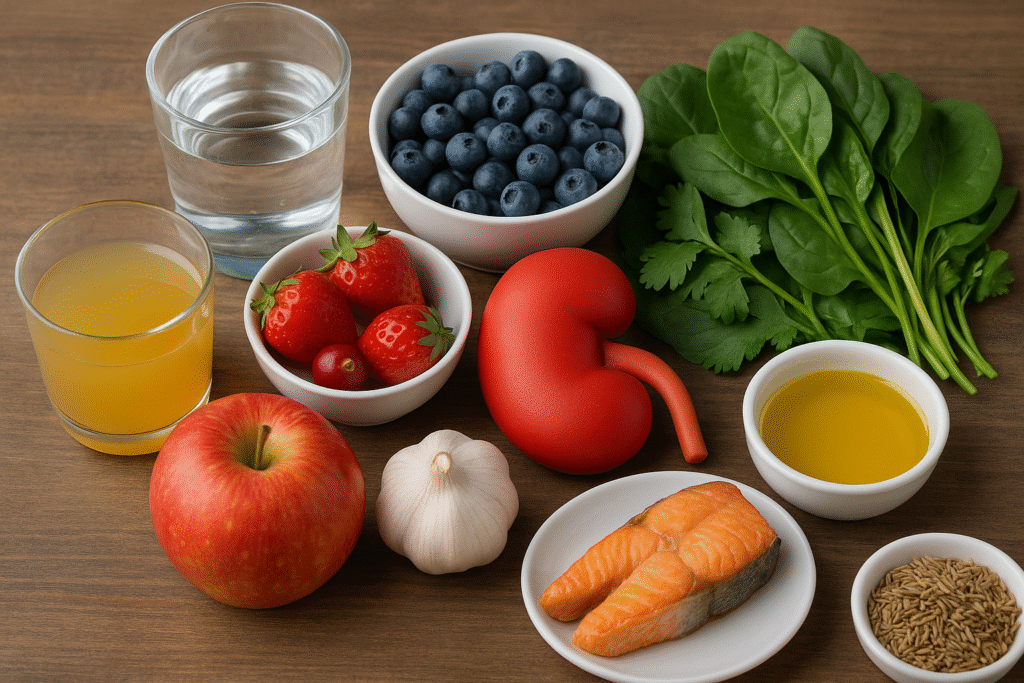

8 Best Foods & Drinks for Healthy Kidneys (Backed by Science)
Your kidneys quietly work 24/7 — filtering waste, balancing fluids and electrolytes, and keeping your blood pressure in check. The right foods and drinks can support this hard work, reduce kidney stress, and even lower your risk of chronic kidney disease (CKD).
In this guide, we’ll cover:
- The 8 best kidney-friendly foods and drinks
- How they support kidney health (with science-backed references)
- Who should be careful with some of these foods
- Relevant kidney health tests from Seralis Lab you should consider
Why Kidney-Friendly Nutrition Matters
Your kidneys:
- Filter ~180 liters of blood daily
- Remove metabolic waste (urea, creatinine, toxins)
- Balance sodium, potassium, calcium, and phosphorus
- Regulate blood pressure via the renin–angiotensin system
- Help control red blood cell production (via erythropoietin)
Poor diet, dehydration, and uncontrolled conditions like diabetes and high blood pressure can gradually damage this system. On the other hand, an eating pattern rich in plant-based foods, adequate fluids, and antioxidants is linked with lower CKD risk and slower progression of existing kidney disease.1
Before making major diet changes—especially if you already have CKD, diabetes, or hypertension—talk to your doctor and consider getting a baseline kidney health check from Seralis Lab. Look for packages that include:
- Serum Creatinine & eGFR (to estimate kidney function)
- Blood Urea Nitrogen (BUN)
- Urine Routine & Microscopy
- Kidney Function Test (KFT) Panel (often as part of a complete health package)
Top 8 Foods & Drinks That Support Kidney Health
1. Water: Your Kidneys’ First Line of Support
Staying well hydrated helps your kidneys:
- Flush out sodium and toxins
- Prevent crystal formation and kidney stones
- Maintain healthy blood volume and blood pressure
Research suggests that adequate fluid intake is associated with a lower risk of chronic kidney disease and slower kidney function decline, particularly in people at risk.2
How much? Needs vary, but a general starting point for healthy adults is:
- ~2–2.5 L/day for women
- ~2.5–3 L/day for men
Important: People with advanced CKD or heart failure may need fluid restriction. Always follow your nephrologist’s advice.
Useful tests from Seralis Lab: If you have frequent dehydration, fatigue, or kidney stone history, consider packages that include:
- Serum Creatinine & eGFR
- Electrolytes Panel (Sodium, Potassium, Chloride)
- Urine Routine & Microalbumin (if available)
2. Berries (Blueberries, Strawberries, Cranberries)
Berries are rich in antioxidants and plant compounds that help reduce oxidative stress and inflammation—two key drivers of kidney damage.3
- Blueberries & Strawberries: High in anthocyanins, which may protect blood vessels and improve metabolic health.
- Cranberries: Contain proanthocyanidins that help prevent certain bacteria from sticking to urinary tract walls, reducing UTI risk.4 Recurrent UTIs can, in some cases, contribute to kidney problems.
How to include:
- Add a small handful of berries to breakfast oats or yogurt
- Blend into smoothies (without excessive sugar)
- Use unsweetened cranberry juice in moderation
Who should be cautious? People on very strict potassium-restricted diets in advanced CKD should consult their dietitian about portions.
Recommended tests from Seralis Lab:
- Urine Routine & Culture if you have recurrent UTIs or burning urination
- KFT / Renal Profile if you’ve had long-standing urinary issues
3. Leafy Greens (in Kidney-Appropriate Portions)
Leafy greens like spinach, kale, and fenugreek leaves (methi) are rich in:
- Folate and vitamin K (heart and blood health)
- Antioxidants that may reduce vascular damage
However, some greens (like spinach, beet greens) are high in oxalates, which can contribute to kidney stones in susceptible people. Others may be high in potassium, which can be an issue in advanced CKD.
Best practices:
- Use a variety of greens (kale, lettuce, cabbage, methi)
- Blanch and discard the water to reduce oxalate content if you are stone-prone
- Work with a renal dietitian to adjust portion size in CKD
Relevant packages from Seralis Lab:
- Kidney Stone Profile (if available): Typically includes serum calcium, uric acid, and urine tests.
- Uric Acid Test (for uric acid stones or gout)
- Serum Calcium & Phosphorus as part of KFT or extended panels
4. Fatty Fish (Salmon, Mackerel, Sardines – in Moderation)
Fatty fish provide omega-3 fatty acids (EPA, DHA), which may:
- Help reduce inflammation
- Support heart health (critical because heart and kidney health are closely linked)
- Improve triglyceride levels in people with metabolic syndrome or diabetes
Studies show omega-3s may have a mild protective effect on kidney function, particularly by reducing inflammation and blood pressure in some individuals.5
How much? For generally healthy people, 1–2 servings of fatty fish per week is often recommended as part of a balanced diet.
Who should be cautious?
- People with advanced CKD on protein restriction
- Those advised to limit phosphorus intake
- Individuals with specific dietary restrictions or allergies
Related tests from Seralis Lab:
- Lipid Profile (cholesterol, triglycerides)
- Diabetic Health Packages that combine Fasting Blood Sugar, HbA1c, Lipid Profile & KFT
5. Garlic & Onions
Garlic and onions are powerful flavor enhancers with potential kidney-friendly benefits:
- Contain sulfur compounds with antioxidant and anti-inflammatory properties
- May help improve blood lipid profiles and support blood pressure control6
- Help you reduce the need for excess salt, which is crucial for kidney and heart health
Usage tips:
- Sauté onions and garlic as the base for curries and dals instead of adding extra salt or processed sauces
- Use roasted garlic as a spread or seasoning
Recommended tests from Seralis Lab: If you have high blood pressure or metabolic syndrome, consider:
- Comprehensive Health Packages covering KFT, LFT, Lipid Profile, Blood Sugar
- Blood Pressure evaluation + Kidney Panel (where offered as combined packages)
6. Apples
Apples are rich in:
- Soluble fiber (pectin), which may help improve blood sugar and cholesterol
- Antioxidants that support vascular health
Better blood sugar and cholesterol control translates into reduced kidney stress over time, especially in people with diabetes or prediabetes.7
Advantages for kidney-conscious diets:
- Generally moderate in potassium compared to some tropical fruits
- Easy, portable snack without added sugar
Relevant Seralis Lab tests:
- Diabetes Screening Panel (Fasting Blood Glucose, HbA1c)
- Routine Health Check-up Packages that include KFT + Blood Sugar + Lipid Profile
7. Olive Oil & Other Healthy Fats
Extra virgin olive oil and other healthy fats (like small amounts of nuts and seeds in early-stage CKD) can support kidney health by:
- Providing anti-inflammatory polyphenols (especially in olive oil)
- Helping improve cholesterol levels when replacing saturated fats
- Supporting overall cardiovascular health
The Mediterranean-style diet, rich in olive oil, vegetables, and whole grains, has been associated with reduced risk of CKD and slower decline in kidney function in some population studies.8
How to use:
- Use olive oil for salad dressings or light sautéing
- Limit deep-fried foods and trans fats (packaged snacks, bakery items)
Related tests from Seralis Lab:
- Lipid Profile to monitor cholesterol and triglycerides
- Heart & Kidney Health Packages if available (often combine Lipid Profile, KFT, ECG, etc.)
8. Herbal Teas (in Moderation & with Medical Guidance)
Certain herbal teas may support hydration and offer mild antioxidant benefits:
- Green tea: Contains catechins with antioxidant properties; some studies suggest possible kidney-protective effects via reduction in oxidative stress.9
- Chamomile, ginger, lemongrass: Generally mild and may support digestion and relaxation.
Important cautions:
- “Detox” or “kidney cleanse” teas can be harsh and sometimes harmful—avoid them without medical supervision.
- Some herbs can interact with medications or are unsafe in CKD (e.g., high-dose licorice, certain Ayurvedic/herbal mixes).
Always check with your doctor or nephrologist before using herbal products regularly, especially if you have any stage of CKD, are on multiple medicines, or are pregnant.
Relevant tests from Seralis Lab:
- KFT / Renal Function Panel for anyone regularly using supplements or herbal remedies
- Liver Function Test (LFT), as some herbal products can affect both liver and kidney
Foods & Habits That Can Harm Your Kidneys
Along with adding kidney-friendly choices, it’s equally important to limit or avoid habits that strain your kidneys:
- High salt intake (pickles, papads, chips, processed meats, instant noodles, packed soups)
- Excess sugar (soft drinks, sweets, sweetened juices), worsening diabetes
- Excessive red and processed meat, which can increase kidney workload
- Overuse of painkillers (especially NSAIDs like ibuprofen, taken regularly without supervision)
- Very high-protein fad diets without medical guidance
- Smoking and heavy alcohol use, which damage blood vessels and organs
If you have any of these risk factors, consider a periodic Kidney Health Check at Seralis Lab. Look for packages that include:
- Serum Creatinine, eGFR, BUN
- Urine Routine & Microalbumin (early marker of kidney damage)
- Blood Pressure & Diabetes Panels (as part of comprehensive health check-ups)
When to Get Your Kidneys Tested
You should especially consider testing if you have:
- Diabetes or prediabetes
- High blood pressure
- Family history of kidney disease
- Recurrent kidney stones or urinary infections
- Swelling in feet, puffiness around eyes, or persistent fatigue
- Foamy or bloody urine
Kidney-related tests and packages to look for on Seralis Lab:
- Kidney Function Test (KFT) / Renal Profile
- Basic Health Check-up including KFT, LFT, CBC, Blood Sugar, Lipid Profile
- Diabetic Kidney Health Package (if available): combines HbA1c, Blood Sugar, KFT, and often Urine Microalbumin
- Kidney Stone / Uric Acid Panel for those with stone history
Putting It All Together: A Kidney-Friendly Eating Pattern
Instead of focusing only on individual “superfoods,” aim for an overall pattern that supports your kidneys:
- Plenty of fluids (water as the main drink, unless restricted)
- More plant-based foods: vegetables, fruits (portion-controlled if CKD), whole grains, and legumes (as advised)
- Limited salt and ultra-processed foods
- Balanced protein (fish, eggs, pulses; restricted if you have advanced CKD on medical advice)
- Healthy fats (olive oil, nuts and seeds in appropriate quantities)
Pair this with regular kidney health screening through Seralis Lab and follow-ups with your doctor to catch any changes early.
FAQs About Kidney-Friendly Foods & Tests
1. Can I improve kidney function with diet alone?
Diet can help slow down further damage, control blood pressure and diabetes, and reduce symptoms—especially in early stages. However, it usually cannot fully reverse established chronic kidney disease. Regular tests such as Serum Creatinine, eGFR, and Urine Microalbumin (available via Seralis Lab) are essential to monitor progress alongside diet and medication.
2. How often should I check my kidney function?
- Healthy adults with no risk factors: Every 1–2 years as part of a preventive health check.
- People with diabetes, hypertension, or family history of CKD: At least once a year, or as advised by your doctor.
- Diagnosed CKD patients: As per nephrologist’s recommendation (often every 3–6 months).
Choose Kidney Function Test (KFT) or comprehensive health packages on Seralis Lab based on your doctor’s advice.
3. Are all fruits safe for kidney patients?
No. Some fruits are high in potassium (like bananas, oranges, dried fruits) and may need restriction in moderate to severe CKD. Others, like apples and berries, may fit better in a potassium-controlled plan. Always follow a renal dietitian’s advice and keep track of your potassium levels via tests on Seralis Lab where indicated.
4. Should kidney patients avoid protein completely?
Not at all. Protein is essential for muscle and overall health. In early CKD, a moderate protein intake is typically recommended; in advanced CKD, protein may be restricted to reduce waste buildup—but this must be individualized. Your doctor may use results from KFT, BUN, Creatinine, and eGFR (which you can test at Seralis Lab) to guide your ideal protein intake.
5. Are “detox” diets or juice cleanses good for kidneys?
Generally, no. Your kidneys are already your built-in detox system. Extreme cleanses can cause electrolyte imbalances, low blood pressure, or even kidney injury. Instead, focus on a sustainable, balanced diet, adequate hydration, and routine kidney function testing through trusted labs like Seralis Lab.
References
- Levey AS, et al. Chronic kidney disease. Lancet. 2012;379(9811):165–180. https://doi.org/10.1016/S0140-6736(11)60178-5
- Clark WF, et al. Hydration and chronic kidney disease progression: a critical review. Semin Nephrol. 2019;39(3):273–282. https://doi.org/10.1016/j.semnephrol.2019.02.006
- Tain YL, Hsu CN. Oxidative stress in kidney disease: the role of antioxidants. Antioxidants (Basel). 2022;11(4):696. https://doi.org/10.3390/antiox11040696
- Guay DR. Cranberry and urinary tract infections. Drugs. 2009;69(7):775–807. https://doi.org/10.2165/00003495-200969070-00002
- Himmelfarb J, Ikizler TA. Hemodialysis. N Engl J Med. 2010;363:1833–1845. (Discussion on inflammation and cardiovascular risk in CKD and dietary factors.) https://doi.org/10.1056/NEJMra0902710
- Ried K. Garlic lowers blood pressure in hypertensive individuals, regulates serum cholesterol, and stimulates immunity. Nutrition Research Reviews. 2016;29(1):1–23. https://doi.org/10.1017/S0954422415000190
- Slavin JL. Dietary fiber and body weight. Nutrition. 2005;21(3):411–418. https://doi.org/10.1016/j.nut.2004.08.018
- Pilot ST, et al. Adherence to the Mediterranean diet and risk of chronic kidney disease. Clin J Am Soc Nephrol. 2020;15(5):755–763. https://doi.org/10.2215/CJN.11991019
- Cai Y, et al. Green tea consumption and risk of chronic kidney disease: a systematic review and meta-analysis. Nutrients. 2021;13(6):2086. https://doi.org/10.3390/nu13062086
Disclaimer: This article is for informational purposes only and does not replace professional medical advice, diagnosis, or treatment. Always consult your doctor or a qualified dietitian before making changes to your diet, medications, or health testing schedule.