
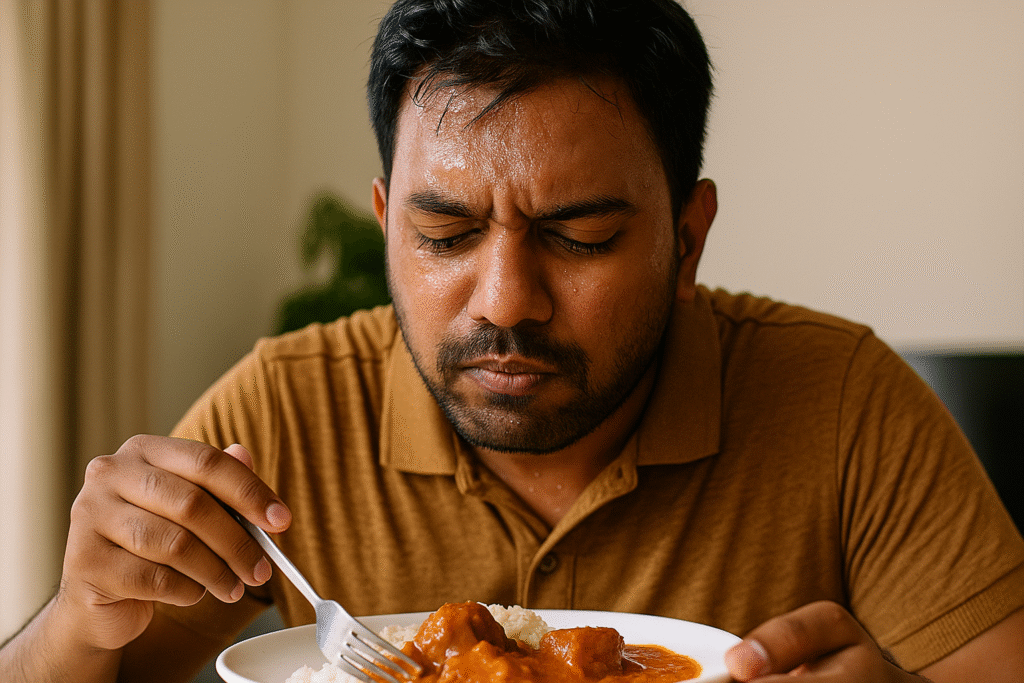

Excessive Sweating After Eating? 7 Foods That Could Be to Blame (And What to Do About It)
Do you start sweating shortly after a meal—especially on your face, scalp, or neck? While a little perspiration is normal, excessive sweating after eating (also called gustatory sweating) can feel uncomfortable and embarrassing.
For some people, certain foods and drinks can trigger more sweating than others. In some cases, it may also hint at underlying health issues such as hormonal imbalance, diabetes, infections, or nerve-related problems.
In this guide, you’ll learn:
- What causes sweating after eating
- 7 common food and drink triggers
- When post-meal sweating may signal a medical problem
- Useful blood tests you can book from Seralis Lab to investigate the cause
- Prevention tips and treatment options
What Is Excessive Sweating After Eating (Gustatory Sweating)?
Gustatory sweating is sweating that occurs on the face, scalp, neck, and sometimes chest while eating or shortly after a meal. It may be mild (a light sheen) or very noticeable (dripping sweat).
It can be:
- Physiological (normal) – due to hot, spicy foods, hot temperature, or large meals
- Secondary to medical conditions – such as diabetes, nerve injury, infections, or hormonal disorders
If you regularly sweat a lot after eating and it’s affecting your comfort or confidence, it’s worth looking at your diet and also ruling out underlying health issues.
Why Do Some People Sweat More After Eating?
Several mechanisms can contribute to post-meal sweating:
1. Thermic Effect of Food (Metabolic Heat)
Digesting food generates heat, called the thermic effect of food. Protein-rich or very large meals can increase metabolism and body temperature temporarily, triggering sweating as your body tries to cool down.
2. Activation of Sympathetic Nervous System
Spicy foods, caffeine, and alcohol can stimulate your sympathetic nervous system (your “fight or flight” system), increasing sweat gland activity.
3. Glycemic Swings & Insulin Response
Very sugary or high-carbohydrate meals can cause rapid spikes and drops in blood sugar, sometimes leading to symptoms like sweating, shakiness, and dizziness—especially in people with prediabetes or diabetes.
4. Underlying Medical Conditions
Some health conditions make you more prone to sweating, including:
- Diabetes / diabetic neuropathy
- Overactive thyroid (hyperthyroidism)
- Obesity or metabolic syndrome
- Infections or fever
- Autonomic nervous system disorders
If you suspect an underlying cause, comprehensive testing from Seralis Lab can help identify it.
7 Foods & Drinks That Can Trigger Excessive Sweating After Eating
While triggers vary from person to person, the following food groups are commonly linked to excessive post-meal sweating.
1. Spicy Foods (Chillies, Hot Sauces, Pepper)
Spicy foods are among the most common triggers of gustatory sweating. Ingredients like:
- Chilli peppers (green/red chilli)
- Hot sauces
- Black pepper
- Wasabi or mustard
contain capsaicin, which binds to receptors in your mouth that sense heat. This tricks your brain into thinking your body temperature is rising, activating sweating for cooling.
What you can do:
- Reduce the intensity of spice in your meals
- Gradually lower the number of “hot” dishes per day/week
- Swap chillies for milder flavour enhancers like herbs, garlic, and lemon
2. Very Hot Temperature Foods & Beverages
Consuming food or drinks that are piping hot (temperature-wise) raises your internal temperature and triggers sweating. Example:
- Boiling hot tea or coffee
- Steaming soups or broths
- Freshly cooked, very hot curries or stews
Your body activates sweat glands to remove excess heat.
What you can do:
- Let hot food and beverages cool slightly before consuming
- Choose lukewarm or room-temperature drinks more often
- Eat in a well-ventilated, cooler environment
3. Caffeine (Tea, Coffee, Energy Drinks, Cola)
Caffeine is a stimulant that increases heart rate, alertness, and can activate the sympathetic nervous system. This may lead to:
- Increased sweating after coffee/tea
- Palpitations or anxiety in sensitive individuals
Caffeinated sources include:
- Black coffee, espresso
- Strong black tea or green tea
- Energy drinks
- Cola and some soft drinks
What you can do:
- Limit caffeine to 1–2 cups/day
- Switch part of your intake to decaf or herbal teas
- Avoid energy drinks and high-caffeine beverages late in the day
4. Alcohol
Alcohol is a vasodilator—it widens blood vessels, which can make you feel warm and flushed. As your body tries to dissipate this heat, you may experience:
- Facial flushing
- Sweating on the forehead, scalp and upper body
Alcohol can also disrupt blood sugar balance and worsen night sweats, especially in people with metabolic issues or liver disease.
What you can do:
- Limit quantity and frequency of alcohol consumption
- Avoid drinking alcohol on an empty stomach
- Stay well-hydrated with water when you do drink
5. High-Sugar & Refined Carbohydrate Foods
Foods that cause rapid blood sugar spikes can trigger reactive hypoglycemia (a quick drop in blood sugar), which sometimes manifests as:
- Sweating after meals
- Shakiness or irritability
- Fatigue or brain fog
Common culprits:
- Sugary desserts (cakes, pastries, sweets)
- Refined flour products (white bread, biscuits, noodles)
- Sugar-loaded drinks and juices
- Large portions of rice or potatoes without enough protein/fibre
What you can do:
- Choose whole grains (millets, brown rice, whole wheat) instead of refined flour
- Pair carbs with protein, fibre and healthy fats to slow absorption
- Avoid very large, high-sugar meals—eat smaller, balanced meals instead
Relevant tests from Seralis Lab
- HbA1c (Glycated Hemoglobin) Test – to assess 2–3 month average blood sugar levels
- Fasting & Post-Prandial Blood Glucose Panel – to evaluate your blood sugar response after meals
- Comprehensive Diabetes Check Package – a bundled package including blood sugar, HbA1c, kidney profile and more (ideal if you suspect diabetes or prediabetes)
6. High-Fat, Heavy & Large Meals
Meals that are very rich, oily, or large in portion size demand more energy to digest. This can increase metabolic heat and make you feel:
- Uncomfortably full
- Hot and sweaty after eating
- Sluggish or drowsy
Common examples:
- Deep-fried foods and fast food
- Heavy gravies and creamy curries
- Large buffet-style meals
In people with existing digestive issues, obesity, fatty liver or metabolic syndrome, these meals may worsen sweating and discomfort.
What you can do:
- Reduce portion sizes, especially at night
- Limit fried and high-fat foods; prefer grilled, steamed, baked preparations
- Include salad, vegetables, and lean protein to balance your plate
Relevant tests & packages from Seralis Lab
- Lipid Profile Test – to check cholesterol and triglyceride levels
- Liver Function Test (LFT) – to assess liver health if you consume a lot of fatty foods or alcohol
- Complete Health Check / Master Health Check Package – a comprehensive package covering cholesterol, liver, kidney, blood sugar and more
7. Food Allergies, Intolerances & MSG-Rich Processed Foods
Some people may experience sweating, flushing, or a hot feeling after eating certain trigger ingredients, such as:
- Monosodium glutamate (MSG) present in some packaged snacks, soups, sauces and restaurant foods
- Food additives and preservatives
- Individual allergens or intolerances (such as certain nuts, shellfish, gluten or lactose in sensitive people)
This may be part of a broader reaction, often accompanied by:
- Headache
- Palpitations
- Facial flushing
- Stomach discomfort or loose motions
What you can do:
- Keep a food diary to identify which foods consistently trigger sweating or reactions
- Reduce ultra-processed and packaged foods
- Opt for home-cooked meals with minimal additives
Relevant tests from Seralis Lab
- Allergy Panel (Food Allergy Screening) – to detect IgE-mediated allergies to common foods
- Comprehensive Allergy Profile Package – useful if you suspect multiple allergies (food + environmental)
When Is Sweating After Eating a Warning Sign?
Occasional mild sweating after a spicy or hot meal is usually normal. But seek medical advice if you notice:
- Excessive sweating after almost every meal, regardless of food type
- Night sweats, unexplained weight loss or persistent fever
- Associated symptoms like dizziness, palpitations, tremors, confusion, or blurred vision
- Sweating predominantly on one side of the face or head, particularly after surgery or trauma (may indicate Frey’s syndrome)
- History of diabetes or high blood sugar along with gustatory sweating
Important underlying causes to rule out include:
1. Diabetes & Blood Sugar Disorders
People with diabetes can develop diabetic autonomic neuropathy, which can cause gustatory sweating—particularly when eating certain foods. Low blood sugar (hypoglycemia) can also trigger intense sweating.
Recommended tests from Seralis Lab:
2. Thyroid Disorders
An overactive thyroid (hyperthyroidism) speeds up metabolism, leading to heat intolerance and sweating, sometimes exacerbated after meals.
Recommended tests from Seralis Lab:
3. Infections, Inflammation & Hormonal Issues
Chronic infections, inflammatory conditions, and certain hormonal disorders can also cause excessive sweating and must be assessed by a clinician.
Useful baseline tests from Seralis Lab:
- Complete Blood Count (CBC) – for infection/inflammation indicators
- ESR / CRP Tests – inflammatory markers
- Hormone Profile Packages – for specific hormonal evaluations as advised by your doctor
How to Manage & Reduce Excessive Sweating After Eating
1. Identify Your Individual Triggers
- Maintain a simple food & symptom diary for 1–2 weeks
- Note what you ate, timing, environment (hot/cold), and sweating episodes
- Look for repeating patterns—spice level, sugar, caffeine, alcohol, meal size, etc.
2. Modify Your Eating Habits
- Eat smaller, more frequent meals instead of very large ones
- Cut down on:
- Very spicy and deep-fried foods
- Excess caffeine and alcohol
- High-sugar, refined carbohydrate meals
- Allow hot foods to cool slightly before eating
- Stay hydrated with water throughout the day
3. Optimise Your Environment
- Eat in cool, well-ventilated spaces
- Use a fan or air conditioning if available, especially in summer
- Wear light, breathable clothing while dining
4. Screen for Underlying Health Conditions
If symptoms are frequent or severe, combine lifestyle changes with a proper medical evaluation. You can conveniently book home-sample collection with Seralis Lab for:
- Comprehensive Health Check Package – covers CBC, blood sugar, kidney and liver profile, lipid profile, thyroid and more
- Diabetes & Metabolic Health Package – focused on blood sugar control and metabolic risk factors
- Thyroid Profile – if you experience palpitations, weight loss/gain, heat intolerance or anxiety along with sweating
- Allergy / Food Sensitivity Panels – if specific foods seem to cause flushing, rash or other reactions
5. Medical Treatment (If Needed)
Based on the cause, your doctor may suggest:
- Treating underlying diabetes, thyroid or hormonal disorders
- Prescription antiperspirants or oral medications for hyperhidrosis
- Specialised treatments for conditions like Frey’s syndrome or autonomic neuropathy
- Referral to a dermatologist, endocrinologist, or neurologist if required
Key Takeaways
- Excessive sweating after eating is often triggered by specific foods such as spicy dishes, very hot foods, caffeine, alcohol, high-sugar or heavy meals, and processed foods containing additives like MSG.
- For many people, diet adjustments and smaller, balanced meals can significantly reduce symptoms.
- Persistent or severe gustatory sweating can be a sign of underlying health problems like diabetes, thyroid disorders, or nerve-related conditions and should not be ignored.
- Lab tests from Seralis Lab—including thyroid profile, diabetes panel, lipid profile, liver tests, and allergy panels—can help you and your doctor identify the root cause.
- Combine diet changes, lifestyle optimisation, and appropriate medical evaluation for best results.
FAQs About Sweating After Eating
1. Is it normal to sweat after eating spicy food?
Yes. Spicy foods containing capsaicin stimulate heat receptors and the sympathetic nervous system, leading to sweating—especially on the face and scalp. Mild sweating with spicy food is usually normal, but if it’s excessive or happens with non-spicy foods too, you should get evaluated.
2. Can diabetes cause sweating after meals?
Yes. People with diabetes may experience sweating after eating due to:
- Low blood sugar (hypoglycemia) – often accompanied by shakiness and dizziness
- Autonomic neuropathy – nerve damage that affects sweat regulation
If you suspect this, consider tests like Fasting/PP Blood Sugar and HbA1c from Seralis Lab and consult your doctor.
3. Which tests should I do if I sweat a lot after eating?
Depending on your symptoms, your doctor may suggest:
- Blood sugar tests (Fasting, PP, HbA1c)
- Thyroid profile (T3, T4, TSH)
- Lipid profile and liver function tests
- Complete blood count and inflammatory markers
- Allergy or food sensitivity panels (if foods triggering flushing or rashes)
Many of these are available as bundled health check packages at Seralis Lab.
4. How can I prevent sweating after eating without medications?
You can often reduce symptoms by:
- Avoiding or limiting spicy, very hot, and very sugary foods
- Eating smaller, balanced meals with protein, fibre, and healthy fats
- Reducing caffeine and alcohol
- Eating in a cooler, ventilated environment and staying hydrated
5. Is sweating after eating dangerous?
Not always. If it occurs only occasionally with known triggers (like very spicy or heavy meals), it’s usually benign. But if it’s:
- Newly developed
- Very frequent or severe
- Associated with symptoms such as weight loss, fever, dizziness, or palpitations
then it may indicate an underlying medical problem and should be evaluated promptly.
References
- Hoang K, Nguyen TQ, Nguyen BT, et al. Hyperhidrosis. StatPearls. 2023. National Center for Biotechnology Information.
- Walling HW. Clinical differentiation of primary from secondary hyperhidrosis. American Family Physician. 2011;83(4):417-422.
- Perkins JM, et al. Type 2 diabetes and hyperhidrosis: pathophysiology and clinical implications. Journal of Diabetes Research. 2020.
- NIH – National Institute of Diabetes and Digestive and Kidney Diseases. Hyperthyroidism.
- Mayo Clinic. Hyperhidrosis (excessive sweating). Accessed 2025.
- Cleveland Clinic. Hyperhidrosis: Symptoms, Causes & Treatment.
Next step: If post-meal sweating is bothering you, consider booking a relevant health check package with Seralis Lab and discuss your symptoms and reports with your doctor for a tailored treatment plan.