
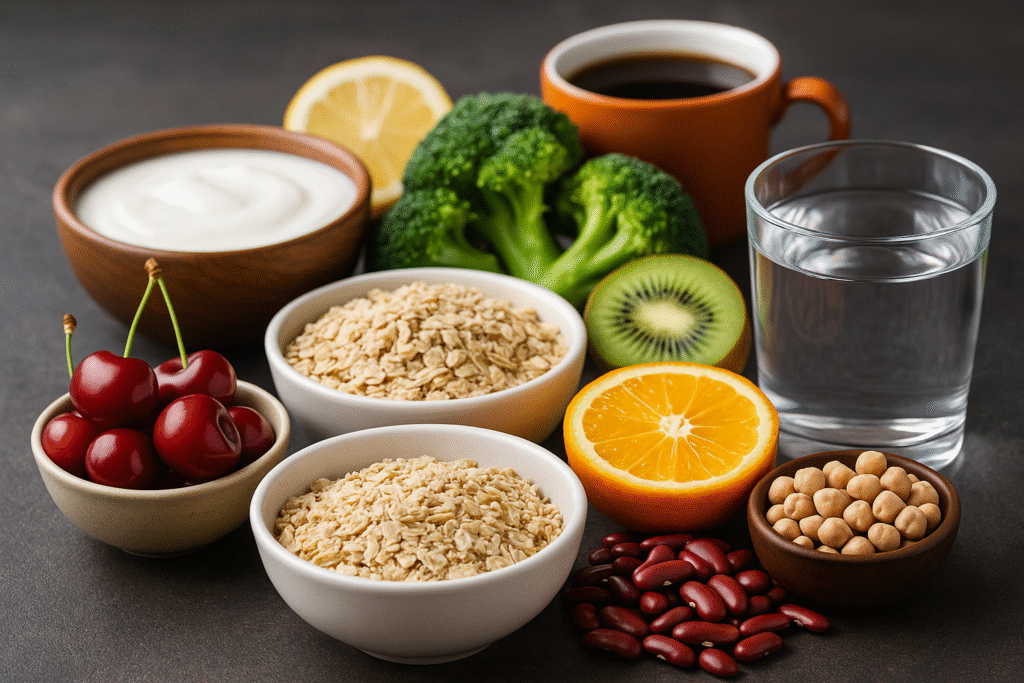

6 Powerful Foods to Lower High Uric Acid Naturally (Backed by Research)
High uric acid levels are becoming increasingly common due to modern lifestyles, unhealthy diets, and lack of physical activity. While medicines can help, the right foods can support your body in naturally reducing uric acid and protecting your joints, kidneys, and heart.
In this article, you will learn:
- What uric acid is and why it rises
- 6 science-backed foods that help lower uric acid naturally
- Foods to limit or avoid if you have high uric acid
- Which medical tests you should consider – and where to book them online
- Common FAQs on uric acid and diet
Important: This article is for educational purposes and does not replace your doctor’s advice. Always consult your healthcare provider before making major changes to diet, supplementation, or medication.
What Is Uric Acid and Why Does It Increase?
Uric acid is a natural waste product formed when your body breaks down purines – substances present in your body cells and many foods. Normally, uric acid dissolves in the blood, passes through the kidneys, and is removed in urine.
When your body produces too much uric acid or your kidneys can’t remove it efficiently, it builds up in the blood – a condition called hyperuricemia. Over time, this can lead to:
- Gout – a type of inflammatory arthritis with sudden, severe joint pain
- Kidney stones – due to uric acid crystal formation
- Increased cardiovascular & metabolic risk – associated with high uric acid
Common causes of high uric acid include:
- High intake of purine-rich foods (organ meats, red meat, some seafood)
- Excessive alcohol (especially beer and spirits)
- Sugary beverages and high-fructose corn syrup
- Obesity and metabolic syndrome
- Kidney disease or reduced kidney function
- Certain medications (like some diuretics)
- Family history of gout or hyperuricemia
Diet alone may not be the only cause, but the right food choices can significantly support uric acid control.
6 Natural Foods That Help Reduce High Uric Acid
These foods are supported by research for their potential benefits in lowering uric acid levels or reducing the risk of gout attacks.
1. Cherries and Cherry Juice
Cherries – especially tart cherries – are one of the most studied foods for gout and uric acid. They are rich in anthocyanins, powerful antioxidants with anti-inflammatory and uric-acid-lowering potential.
How Cherries Help
- May decrease serum uric acid levels
- Can reduce inflammation associated with gout
- Linked with a lower risk of gout attacks when consumed regularly
Evidence: Multiple studies have shown that cherry consumption is associated with a reduced risk of recurrent gout attacks.[1], [2]
How to Include Cherries
- 1 small bowl of fresh cherries (when in season)
- Unsweetened cherry juice (diluted with water)
- Avoid heavily sweetened canned cherries or syrups
2. Low-Fat Dairy (Milk, Yogurt, Curd)
Low-fat dairy products have been consistently linked with a lower risk of gout and reduced uric acid levels.
How Low-Fat Dairy Helps
- Contains proteins such as casein and lactalbumin that may increase uric acid excretion
- Low-fat varieties do not add excess saturated fat or calories
- May mildly reduce serum uric acid over time
Evidence: Clinical and population studies show an inverse association between low-fat dairy intake and uric acid levels and gout risk.[3], [4]
How to Include Low-Fat Dairy
- 1–2 servings daily of toned/skimmed milk, low-fat curd, or yogurt
- Buttermilk without added sugar
- Avoid full-fat cream, butter and high-fat cheese if you are overweight or have heart disease
3. Vitamin C–Rich Fruits and Vegetables
Vitamin C has been shown to help reduce uric acid levels by enhancing its removal through urine.
Best Vitamin C Sources for Uric Acid
- Citrus fruits – oranges, mosambi, lemon
- Guava, amla (Indian gooseberry)
- Kiwi, strawberries
- Bell peppers, broccoli
Evidence: Meta-analyses indicate that vitamin C supplementation can modestly lower serum uric acid levels.[5], [6]
How to Include Vitamin C
- 1–2 vitamin C–rich fruits daily
- Lemon water (without added sugar) instead of sugary drinks
- Lightly cooked or raw vegetables in salads and stir-fries
Note: Very high-dose vitamin C supplements should only be taken on medical advice, especially if you have kidney issues or a history of stones.
4. Fibre-Rich Whole Grains and Legumes
Dietary fibre supports better metabolism, weight management, and improved insulin sensitivity – all of which are linked with better uric acid control.
How Fibre Helps
- May improve uric acid excretion indirectly by improving metabolic health
- Helps in weight management – obesity is a major risk factor for gout
- Stabilises blood sugar and reduces inflammation
Good Fibre Sources
- Whole grains: oats, brown rice, whole wheat, quinoa
- Legumes: lentils, rajma, chana, moong
- Seeds: chia, flax, psyllium husk (isabgol – on medical advice)
Note: Some people worry about purines in lentils and beans. Research shows that plant-based purines are much less strongly associated with gout compared to purines from red meat and seafood.[7]
5. Coffee (In Moderation)
Multiple population studies have suggested that regular coffee drinkers may have a lower risk of gout and slightly lower uric acid levels.
How Coffee May Help
- Contains antioxidants and compounds that may improve insulin sensitivity
- Better insulin sensitivity is linked with lower uric acid
- May mildly increase uric acid excretion
Evidence: Cohort studies show that higher coffee intake is associated with reduced gout risk in men and women.[8], [9]
How to Consume Coffee Safely
- 1–2 cups a day (preferably without excessive sugar or cream)
- Avoid if coffee triggers acidity, palpitations, or sleep issues
- Not recommended in excess for pregnant women or people with uncontrolled hypertension
6. Ample Water and Hydrating Foods
Hydration is one of the simplest and most effective ways to help your kidneys flush out uric acid.
How Water Helps
- Dilutes uric acid concentration in the blood
- Supports kidney filtration and excretion of uric acid
- Reduces risk of uric-acid kidney stone formation
Hydrating Options
- Plain water (aim for clear or light-yellow urine unless otherwise advised by your doctor)
- Infused water – lemon, mint, cucumber (no added sugar)
- Water-rich foods – cucumber, watermelon, oranges, tomatoes
Note: If you have heart failure, advanced kidney disease, or are on fluid restriction, follow your doctor’s fluid intake advice.
Foods to Avoid or Limit When You Have High Uric Acid
Along with including uric-acid-friendly foods, it’s equally important to reduce or avoid foods that worsen hyperuricemia.
1. High-Purine Animal Foods
- Organ meats – liver, kidney, brain
- Red meat – mutton, beef, pork (especially in large quantities)
- Certain seafood – anchovies, sardines, mussels, shellfish
- Meat extracts, gravies, broths
2. Alcohol (Especially Beer and Spirits)
- Beer is high in purines and strongly linked with gout attacks
- Spirits can increase uric acid production and reduce its excretion
- Even wine, in excess, may trigger attacks in some people
3. Sugary Drinks and High-Fructose Foods
- Soft drinks, sodas, energy drinks
- Packaged fruit juices with added sugar
- High-fructose corn syrup–containing foods
Fructose metabolism in the liver can increase uric acid production.[10]
4. Excess Refined Carbohydrates and Deep-Fried Foods
- White bread, pastries, biscuits, sweets
- Deep-fried snacks – samosa, pakoda, chips, etc.
- These contribute to weight gain and metabolic syndrome, making uric acid control harder
Lifestyle Tips to Support Uric Acid Control
- Maintain a healthy weight: Even a 5–10% weight loss can improve uric acid levels.
- Exercise regularly: Aim for at least 150 minutes/week of moderate activity (walking, cycling, etc.).
- Don’t crash diet or fast aggressively: Rapid weight loss can temporarily increase uric acid.
- Manage blood sugar, blood pressure, and cholesterol: These metabolic factors influence uric acid.
- Take medicines as prescribed: If your doctor has prescribed uric-acid–lowering drugs, do not stop them on your own even if symptoms improve.
Important Tests to Monitor Uric Acid and Overall Health
Regular tests help you and your doctor understand how well your uric acid is controlled and whether related organs like the kidneys, liver, and heart are affected.
You can easily book these tests online through Seralis Lab for home sample collection and timely reports.
1. Serum Uric Acid Test
This is the primary test to measure uric acid levels in your blood.
- Why it’s important: Confirms hyperuricemia, monitors response to diet and medication.
- How often: As advised by your doctor, especially if you have gout, kidney disease, or are on uric-acid–lowering therapy.
- Book Online: Check the dedicated Uric Acid test at Seralis Lab:
2. Kidney Function / Renal Profile
Since uric acid is excreted through the kidneys, it’s crucial to know how well your kidneys are working.
- Includes: Serum creatinine, urea (BUN), electrolytes, sometimes eGFR
- Why it’s important: Hyperuricemia can both result from and contribute to kidney problems.
- Book Online: Choose from Seralis Lab kidney-related packages:
3. Complete Health / Metabolic Checkups
High uric acid is often linked with other metabolic issues like diabetes, high cholesterol, and fatty liver. Comprehensive health packages can give a broader picture of your health status.
- Recommended if: You have obesity, sedentary lifestyle, family history of lifestyle diseases, or recurrent gout.
- Book Online: Explore Seralis Lab’s preventive health packages:
4. Tests for Associated Conditions
Your doctor may also recommend:
- Lipid profile (cholesterol and triglycerides)
- Blood sugar tests (Fasting, PP, HbA1c)
- Liver function tests (if on long-term medications or if fatty liver is suspected)
You can find these individually or bundled in Seralis Lab packages:
Sample 1-Day Uric-Acid–Friendly Meal Plan
This is a general example and should be customised as per your dietary needs, allergies, and doctor’s advice.
Early Morning
- Warm water with lemon (no sugar)
- Soaked almonds (4–5 pcs)
Breakfast
- Oats porridge in low-fat milk
- 1 small bowl of papaya or orange
- Unsweetened black coffee or tea (optional)
Mid-Morning
- 1 guava or 1 amla shot (fresh) / vitamin C–rich fruit
Lunch
- Brown rice or phulka (whole wheat roti)
- Dal (lentils) or rajma / chana (moderate portion)
- Mixed salad – cucumber, tomato, carrot, lemon
- Low-fat curd/buttermilk
Evening Snack
- Roasted chana / sprouts chaat with lemon
- Green tea or black coffee (if tolerated)
Dinner
- 2 phulkas or millet roti (jowar/bajra – if suitable)
- Vegetable sabzi (less oil)
- Light dal / soup
- 1 small bowl of salad
Bedtime
- Warm water or chamomile/herbal tea (caffeine free)
Avoid: Red meat, organ meats, heavy sugary desserts, aerated drinks, extra alcohol, and deep-fried items.
When Should You See a Doctor?
Consult your doctor or rheumatologist if you notice:
- Sudden, severe joint pain (especially at the big toe, ankle, or knee)
- Swelling, redness, and warmth over a joint
- Recurrent joint pains or stiffness in the morning
- History of kidney stones plus high uric acid
- Persistently high uric acid on blood tests despite diet and lifestyle changes
Diet plays a supportive role, but medical treatment is often necessary to prevent joint damage and complications.
FAQs on High Uric Acid and Diet
1. Can diet alone cure high uric acid?
Diet can significantly help reduce uric acid levels and lower the risk of gout attacks, especially in mild to moderate cases. However, in many people – particularly those with very high levels, recurrent gout, or kidney disease – medications are also required. Always follow your doctor’s treatment plan along with diet changes.
2. Are all high-protein foods bad for uric acid?
No. The main concern is purine-rich animal proteins like organ meats, red meat, and some seafood. Plant proteins (lentils, beans, soy) and low-fat dairy are generally safer and even beneficial for many people, when consumed in moderation.
3. Is it safe to eat lentils and beans if I have gout?
Most studies show that plant-based purines from lentils, beans, and vegetables are less associated with gout risk than purines from animal sources. Unless your doctor has specifically restricted them, moderate intake of lentils and beans is usually acceptable as part of a balanced diet.
4. How often should I get my uric acid tested?
The frequency depends on how high your levels are, your symptoms, and whether you are on medication. Many people with gout or persistent hyperuricemia are tested every 3–6 months. Your doctor will guide you. You can book a Serum Uric Acid test at Seralis Lab as per medical advice.
5. Does drinking more water really help?
Yes. Adequate hydration supports the kidneys in flushing out excess uric acid and reduces the risk of crystal formation and kidney stones. Unless you are on fluid restriction, try to drink water regularly through the day so that your urine remains pale yellow to nearly clear.
6. Is beer worse than other alcohol for uric acid?
Beer is particularly problematic because it contains both alcohol and purines from brewer’s yeast. It is consistently associated with a higher risk of gout attacks compared to moderate wine consumption. For people with gout or high uric acid, it’s best to avoid beer completely.
7. Can vitamin C supplements replace medication for high uric acid?
Vitamin C can modestly lower uric acid, but the effect is usually not strong enough to replace prescription medicines in people who need them. Think of vitamin C as a supportive measure, not a stand-alone cure. Never stop your gout medication without your doctor’s approval.
Key Takeaways
- High uric acid can lead to gout, kidney stones, and long-term health issues if left uncontrolled.
- Cherries, low-fat dairy, vitamin C–rich foods, fibre-rich whole grains, moderate coffee, and adequate water intake may help naturally lower uric acid levels.
- Limit red meat, organ meats, certain seafood, alcohol (especially beer), sugary drinks, and highly processed foods.
- Regular testing – including Uric Acid, Kidney Function (RFT), and comprehensive Health Packages from Seralis Lab – helps track your progress and detect complications early.
- Always work with your doctor and a qualified dietitian for a personalised plan.
References
- Zhang Y, Neogi T, Chen C, Chaisson C, Hunter DJ, Choi HK. Cherry consumption and decreased risk of recurrent gout attacks. Arthritis Rheum. 2012;64(12):4004–4011. https://doi.org/10.1002/art.34677
- Tart Cherry Juice and Gout. University of Rochester Medical Center. https://www.urmc.rochester.edu/encyclopedia/content.aspx?ContentTypeID=1&ContentID=4513
- Choi HK, Atkinson K, Karlson EW, Willett W, Curhan G. Purine-rich foods, dairy and protein intake, and the risk of gout in men. N Engl J Med. 2004;350:1093–1103. https://doi.org/10.1056/NEJMoa035700
- Choi HK, Liu S, Curhan G. Intake of purine-rich foods, protein, and dairy products and relationship to serum levels of uric acid: the Third National Health and Nutrition Examination Survey. Arthritis Rheum. 2005;52(1):283–289. https://doi.org/10.1002/art.20761
- Juraschek SP, Miller ER 3rd, Gelber AC. Effect of oral vitamin C supplementation on serum uric acid: a meta-analysis of randomized controlled trials. Arthritis Care Res (Hoboken). 2011;63(9):1295–1306. https://doi.org/10.1002/acr.20519
- Gao X, Curhan G, Forman JP, Ascherio A, Choi HK. Vitamin C intake and serum uric acid concentration in men. J Rheumatol. 2008;35(9):1853–1858. https://www.jrheum.org/content/35/9/1853.long
- Choi HK, Willett W, Curhan G. Fructose-rich beverages and risk of gout in women. JAMA. 2010;304(20):2270–2278. https://doi.org/10.1001/jama.2010.1638
- Choi HK, Willett W, Curhan G. Coffee consumption and risk of incident gout in men: a prospective study. Arthritis Rheum. 2007;56(6):2049–2055. https://doi.org/10.1002/art.22712
- Choi HK, Curhan G. Coffee, tea, and caffeine consumption and serum uric acid level: The Third National Health and Nutrition Examination Survey. Arthritis Rheum. 2007;57(5):816–821. https://doi.org/10.1002/art.22762
- Nakagawa T, Hu H, Zharikov S, et al. A causal role for uric acid in fructose-induced metabolic syndrome. Am J Physiol Renal Physiol. 2006;290(3):F625–F631. https://doi.org/10.1152/ajprenal.00140.2005
Disclaimer: This article is for information and awareness only. It does not substitute professional medical advice, diagnosis, or treatment. Always consult your physician or a qualified health provider regarding any medical condition or before starting any new diet, medicine, or test.