
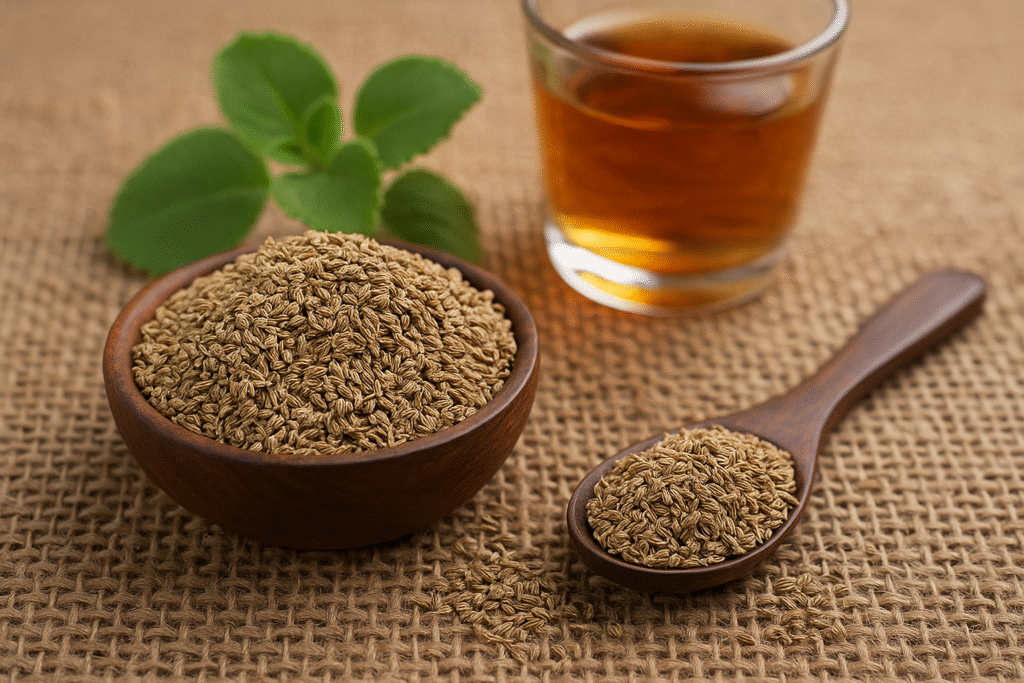

Carom Seeds (Ajwain): Surprising Health Benefits, Uses, Side Effects & Relevant Lab Tests
Carom seeds, commonly known as ajwain, are a staple in Indian kitchens. Beyond adding a strong, aromatic flavour to food, carom seeds are packed with medicinal properties that support digestion, respiratory health, metabolism, and more.
In this article, you’ll learn:
- Key nutritional and medicinal properties of carom seeds (ajwain)
- Evidence-based health benefits and traditional uses
- How to use ajwain safely at home
- Possible side effects and precautions
- Relevant laboratory tests and health packages you can take to monitor your health
Disclaimer: This article is for educational purposes only and is not a substitute for professional medical advice. Always consult your doctor before using any home remedy, especially if you have an existing medical condition or are pregnant/breastfeeding.
What Are Carom Seeds (Ajwain)?
Carom seeds are the dried fruits of the plant Trachyspermum ammi, belonging to the Apiaceae (parsley) family. They have a pungent, thyme-like aroma and a sharp, slightly bitter taste. In Ayurveda and traditional medicine, ajwain has been used for centuries as a:
- Digestive aid
- Carminative (relieves gas)
- Antispasmodic (relieves cramps)
- Antimicrobial and antifungal agent
Key Active Compounds in Carom Seeds
The health benefits of carom seeds are largely due to their rich phytochemical profile, especially:
- Thymol – a powerful compound with antimicrobial, antifungal, and carminative properties
- Essential oils – including p-cymene, γ-terpinene, β-pinene
- Flavonoids and phenolic compounds – providing antioxidant effects
These compounds work together to support the digestive system, fight infections, and reduce inflammation.
Top Health Benefits of Carom Seeds (Ajwain)
1. Supports Digestion and Relieves Gas
Ajwain is most famous as a natural digestive aid. Traditionally, it is consumed after heavy meals to reduce bloating, gas, and indigestion.
How Ajwain Helps Digestion
- Stimulates digestive enzymes and gastric juices
- Helps break down food more efficiently
- Relieves gas, bloating, and abdominal discomfort
- Reduces intestinal spasms and cramps
A study published in the Journal of Pharmacognosy and Phytochemistry found that ajwain exhibits significant carminative and antispasmodic activities, supporting its traditional use in digestive disorders.[1]
Simple Ajwain Remedy for Gas and Indigestion
- Mix 1/2 teaspoon of roasted ajwain seeds with a pinch of black salt
- Chew well after meals and swallow with warm water
Related Lab Tests & Health Packages
If you frequently experience indigestion, acidity or bloating, it’s wise to rule out underlying issues such as infection, inflammation, or food intolerance.
- H. pylori Testing (if suggested by your doctor for chronic acidity or ulcers)
- Comprehensive Digestive / Gastrointestinal Panel – to assess overall gut health and inflammation
- Comprehensive Health Check-Up Package – ideal if you have multiple symptoms such as acidity, fatigue, or weight changes
2. Helps in Managing Acidity and Heartburn
Ajwain is often used as a home remedy for acidity, acid reflux, and heartburn. The essential oils in carom seeds may help neutralise stomach acid and improve gastric secretions.
Traditional medicine practices suggest that ajwain water or ajwain with rock salt can provide relief from:
- Acid reflux
- Burning sensation in the chest or stomach
- Sour belching
Ajwain Water for Acidity
- Boil 1 teaspoon ajwain seeds in 1 cup water for 5–10 minutes
- Strain and drink warm after meals
Relevant Diagnostic Tests
Persistent acidity and heartburn should not be ignored, as they may indicate GERD, gastritis, or ulcers. Consider:
- Upper GI / GERD-focused blood tests (as part of a physician-directed panel)
- Annual Health Packages – to monitor general metabolic and liver function, which can influence digestive health
3. May Support Weight Management & Metabolism
While ajwain alone will not cause weight loss, it may support a healthy weight loss plan by improving digestion and metabolism.
Possible Ways Ajwain Supports Metabolism
- Improved digestion may enhance nutrient absorption and reduce bloating
- Some animal and laboratory studies suggest ajwain may help regulate lipid (fat) metabolism[2]
- Its antioxidant and anti-inflammatory properties may help support overall metabolic health
Ajwain Water for Metabolic Support
- Soak 1 teaspoon ajwain in a glass of water overnight
- Strain and drink on an empty stomach in the morning
Note: Weight management depends primarily on diet, physical activity, sleep, and overall lifestyle. Ajwain can be a supportive add-on, not a replacement for these fundamentals.
Relevant Tests & Packages from Seralis Lab
If you are trying to lose weight or suspect metabolic issues, lab tests can provide critical insight.
- Thyroid Profile (TSH, T3, T4) – thyroid dysfunction can affect weight and metabolism
- Lipid Profile – measures cholesterol and triglycerides
- Diabetes / Blood Sugar Panel – fasting blood sugar, HbA1c, etc.
- Comprehensive Metabolic Health Package – combines thyroid, sugar, and lipid tests for a holistic view
4. Supports Respiratory Health and Eases Cough
In traditional medicine, ajwain is often used to relieve symptoms of:
- Cough and cold
- Nasal congestion
- Mild asthma and bronchitis (as a supportive remedy)
How Ajwain Helps the Respiratory System
- Thymol in ajwain has bronchodilatory and antimicrobial properties
- The warm vapours can help open nasal passages and ease breathing
- May help loosen mucus and soothe sore throat when used as a gargle or steam
Some experimental studies have reported that ajwain extracts show bronchodilatory and antitussive (cough-relieving) properties, supporting their use in traditional respiratory remedies.[3]
Home Uses for Respiratory Relief
- Ajwain Steam Inhalation: Add 1–2 teaspoons ajwain seeds to hot water and inhale the steam
- Ajwain Fumes: Roast ajwain seeds on a pan, carefully inhale the vapours from a distance (avoid direct contact with smoke)
Relevant Tests & Health Packages
If you have a persistent cough, breathlessness, or wheezing, you should seek medical advice. Your doctor may advise tests such as:
- CBC (Complete Blood Count) – to check for infection or allergies
- Allergy Panel – if asthma or allergic bronchitis is suspected
- General Health Check-Up Packages – to assess immunity and overall health status
5. May Help Relieve Menstrual Pain and Cramps
Due to its antispasmodic properties, ajwain is traditionally used to relieve:
- Menstrual cramps
- Lower abdominal pain
- Digestive discomfort during periods
The muscle-relaxing and gas-relieving effects of ajwain may ease the severity of cramps in some individuals.
Ajwain Tea for Menstrual Cramps
- Boil 1 teaspoon ajwain seeds in 1 cup water for 5–7 minutes
- Strain, add a pinch of jaggery or honey (optional)
- Drink warm once or twice a day during periods
When to Get Tests Done
Severe, long-lasting, or progressively worsening menstrual pain may indicate conditions like PCOS, fibroids, or endometriosis. In such cases, you should see a gynecologist and consider lab evaluation.
- Hormone Profile (Female) – including LH, FSH, prolactin, estradiol, etc.
- PCOS / Women’s Health Panel – often includes hormones, sugar, and lipid profile
- Anemia & Iron Studies – heavy bleeding may cause iron deficiency
6. Exhibits Antimicrobial and Antioxidant Activity
Laboratory studies have shown that extracts of ajwain possess significant:
- Antibacterial activity against certain pathogens
- Antifungal activity
- Antioxidant effects, which help neutralise free radicals[4]
These properties may contribute to:
- Better gut health through control of harmful bacteria
- Support for immunity
- Protection of cells from oxidative stress
Note: Most of this evidence comes from in vitro (test tube) and animal studies. More human trials are needed to confirm specific therapeutic applications.
Relevant Lab Tests
- Vitamin & Antioxidant Status Panel – to assess nutritional and antioxidant status
- Immunity Check-Up Package – includes CBC and other markers relevant to immune function
How to Use Carom Seeds (Ajwain)
Common Culinary Uses
- Added to parathas, pooris, and Indian breads
- Used in tempering (tadka) for dals, curries, and snacks
- Mixed in pickles and chutneys for flavour and preservation
- Chewed raw or roasted after meals as a mouth freshener and digestive aid
Medicinal / Home Remedy Uses
1. Ajwain Water
Useful for: mild indigestion, gas, acidity
- Boil 1 teaspoon of ajwain in 1–1.5 cups of water
- Reduce to 1 cup, strain and drink warm
2. Ajwain with Salt
Useful for: gas, heaviness after meals
- Mix 1/2 teaspoon roasted ajwain with a pinch of black salt
- Chew and swallow with warm water
3. Ajwain Tea
Useful for: cramps, mild cough, digestive discomfort
- Boil 1 teaspoon ajwain and 1 teaspoon fennel seeds in water
- Strain and drink warm
Always consult your doctor if you have a medical condition, are on regular medicines, or are pregnant/breastfeeding before using ajwain medicinally.
Side Effects and Precautions of Carom Seeds
Possible Side Effects
- Heartburn or acidity if taken in excess
- Mouth or stomach irritation in sensitive individuals
- Allergic reaction (rare)
- May interact with certain medications (especially blood thinners, antacids, or anti-ulcer drugs – consult your doctor)
Who Should Be Careful?
- Pregnant women: Large quantities of ajwain are traditionally avoided as they may stimulate uterine activity. Only use small, culinary amounts unless your doctor advises otherwise.
- Breastfeeding mothers: Use in moderation; consult your doctor if you plan to use it regularly as a “remedy.”
- People with liver disease, gastric ulcers, or severe acidity: Use only under medical guidance.
- Individuals on regular medication: Discuss possible interactions with your physician.
When to Seek Medical Help and Lab Tests
See a doctor and consider lab tests through Seralis Lab if you experience:
- Persistent acidity, vomiting, or black stools
- Severe abdominal pain or unexplained weight loss
- Chronic cough, breathlessness, or wheezing
- Irregular periods, extremely painful periods, or infertility concerns
In such cases, your doctor may order a combination of:
- Comprehensive Health Check-Up
- Liver Function Tests (LFT)
- Kidney Function Tests (KFT)
- Thyroid and Hormone Profiles
Frequently Asked Questions (FAQs)
1. Can I eat carom seeds (ajwain) every day?
Yes, small culinary amounts of ajwain (such as a pinch in food or 1/4–1/2 teaspoon after meals) are generally safe for most healthy adults. Avoid taking large medicinal doses daily without medical advice.
2. Is ajwain good for acidity?
Ajwain is commonly used as a home remedy for acidity and heartburn. Ajwain water or ajwain with black salt can sometimes provide relief. However, if your acidity is frequent or severe, you should consult a doctor and consider appropriate tests via Seralis Lab to rule out GERD, ulcers, or other digestive issues.
3. Can ajwain help with weight loss?
Ajwain may support digestion and metabolism, which can indirectly help in weight management when combined with a healthy diet and exercise. It is not a standalone weight-loss solution. For unexplained weight gain, testing your thyroid, blood sugar, and lipid profile through metabolic health packages is recommended.
4. Is ajwain safe in pregnancy?
Ajwain used in normal food amounts is generally considered acceptable in pregnancy. However, large or medicinal doses are traditionally avoided due to potential uterine-stimulating effects. Always speak with your gynecologist before using ajwain regularly as a remedy during pregnancy.
5. Can children take ajwain for colic or gas?
Ajwain is often used traditionally for infant colic (e.g., ajwain-infused water or ajwain potli fumes), but dosing for babies is very sensitive and must be supervised by a pediatrician. Do not give home remedies to infants without consulting a doctor.
6. What tests should I consider if I have chronic indigestion or IBS-like symptoms?
If indigestion, gas, or altered bowel movements are frequent, talk to your doctor about:
- CBC and Inflammatory Markers
- Liver & Kidney Function Tests
- Stool and Digestive Health Panels
- Comprehensive Health Check-Up Packages
7. Does ajwain interact with medicines?
Ajwain may interact with certain medications, particularly:
- Blood thinners
- Antacids or anti-ulcer drugs
- Drugs affecting the liver
If you are on regular prescriptions, speak to your doctor before using ajwain frequently in medicinal doses.
Key Takeaways
- Carom seeds (ajwain) are a powerful traditional spice with evidence-backed digestive, antimicrobial, and potential metabolic benefits.
- They can help relieve gas, bloating, acidity, mild respiratory discomfort, and menstrual cramps for some individuals.
- Use ajwain in moderation and primarily as a culinary spice unless advised otherwise by a healthcare professional.
- For chronic or severe symptoms, do not depend only on home remedies. Consult a doctor and use appropriate diagnostic tests through Seralis Lab to identify and manage the root cause.
References
- Prajapati V, et al. “Pharmacognostical and Phytochemical Studies on Trachyspermum ammi.” Journal of Pharmacognosy and Phytochemistry. Available at: https://www.phytojournal.com/
- Gilani AH, et al. “Pharmacological basis for the traditional uses of Ajwain (Trachyspermum ammi) in gut disorders.” Journal of Ethnopharmacology. 2005;97(3): 393–396. Available at: https://doi.org/10.1016/j.jep.2004.11.024
- Shokri H. “A review on the inhibitory potential of herbal extracts and essential oils on respiratory viral infections.” Iranian Journal of Microbiology. (Includes discussion of thymol-containing plants such as ajwain). Available at: https://ijm.tums.ac.ir
- Kaur GJ, Arora DS. “Antibacterial and phytochemical screening of Anethum graveolens, Foeniculum vulgare and Trachyspermum ammi.” BMC Complementary and Alternative Medicine. 2009;9:30. Available at: https://doi.org/10.1186/1472-6882-9-30
- Bairwa R, et al. “Trachyspermum ammi: A review on traditional uses, phytochemistry and pharmacology.” Journal of Pharmacy and Bioallied Sciences. 2012;4(4): 291–297. Available at: https://doi.org/10.4103/0975-7406.103256
Always consult your healthcare provider before starting or changing any treatment or home remedy.