
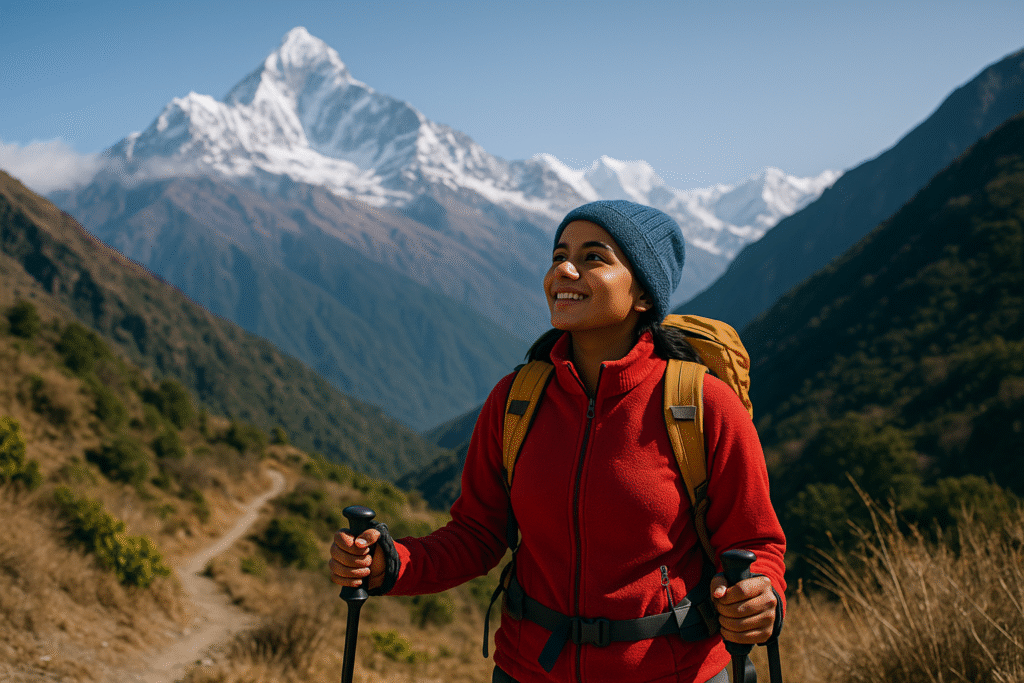

Mountain Travel Health Guide: 7 Essential Tips to Stay Fit and Safe at High Altitude
Planning a mountain trip is exciting—fresh air, stunning views, and a break from routine. But high-altitude travel can also stress your body in ways you may not expect. If you prepare well, listen to your body, and get the right health checks and tests done before and after your trip, you can enjoy the mountains safely.
This guide covers practical, medically backed tips to keep you healthy on your next mountain vacation, plus key diagnostic tests from Seralis Lab that can help you monitor your health before and after your travel.
What Happens to Your Body at High Altitude?
As you go higher above sea level, the air pressure drops, which means less oxygen is available for your body. Typically, “high altitude” starts around 2,500 meters (8,200 feet).
- Lower oxygen makes your heart and lungs work harder.
- Dehydration happens faster due to dryness and increased breathing.
- Altitude sickness can develop if your body doesn’t adapt properly.
Common symptoms of acute mountain sickness (AMS) include:
- Headache
- Nausea or vomiting
- Dizziness
- Fatigue and weakness
- Shortness of breath on exertion
- Loss of appetite
Unmanaged altitude sickness can progress to serious conditions like high-altitude pulmonary edema (HAPE) or high-altitude cerebral edema (HACE), which are medical emergencies.
Tip: If you have heart, lung, or chronic health conditions, consult your doctor and consider a comprehensive health check package before planning a high-altitude trip.
7 Essential Health Tips for a Safe Mountain Trip
1. Ascend Gradually to Allow Proper Acclimatization
One of the most effective ways to prevent altitude sickness is to gain height slowly and give your body time to adjust.
- Don’t rush: Above 2,500 m, increase your sleeping altitude by no more than 300–500 m per day, if possible.
- Follow “climb high, sleep low”: You can hike higher during the day but return to a lower altitude to sleep.
- Plan acclimatization days: On multi-day treks, include rest or light activity days at the same altitude.
Rapid ascent by vehicle or cable car to very high altitudes (e.g., above 3,000 m) increases the risk of AMS. If that’s unavoidable, be extra cautious, keep your first day’s activity light, and carefully monitor how you feel.
Recommended Pre-Trip Tests for Safe Acclimatization
- Cardiac Screening Package – to assess heart function and screen for hidden cardiovascular risks before exertion at altitude.
- Basic Fitness & Wellness Panel – to ensure you’re in good general health for trekking and hiking.
2. Stay Well Hydrated (But Don’t Overdo It)
At high altitude, the air is colder and drier. You breathe faster and lose more water through respiration, so dehydration can set in quickly.
- Drink regularly: Aim for small, frequent sips—about 2.5–3 liters of fluid per day, depending on your activity level and climate.
- Limit alcohol and caffeine: Both can contribute to dehydration and mask early symptoms of altitude sickness.
- Monitor your urine: Pale yellow urine usually indicates adequate hydration; dark yellow suggests you need more fluids.
- Add electrolytes: If you’re sweating a lot due to trekking, consider oral rehydration solutions or electrolyte tablets.
Useful Lab Tests Related to Hydration and Kidney Function
- Kidney Function Test (KFT) Panel – to evaluate creatinine, urea, and other markers of kidney function that can be affected by dehydration.
- Electrolyte Profile – to check sodium, potassium, and chloride levels if you’ve had prolonged exertion, vomiting, or poor intake.
3. Fuel Your Body with the Right Nutrition
Mountains demand more from your body. You’ll burn extra calories just by walking and staying warm in a low-oxygen environment.
- Eat light but frequent meals: Small, regular portions are easier to digest at altitude than large, heavy meals.
- Carbohydrate-rich foods: Whole grains, fruits, and starchy vegetables help provide quick energy and may support better oxygen utilization.
- Lean protein: Eggs, lentils, lean meats, paneer, or tofu to support muscle recovery from long hikes.
- Healthy fats: Nuts, seeds, and nut butters can give dense energy for longer treks.
- Limit very salty, oily, or fried foods: These can worsen bloating, cause sluggishness, and increase dehydration.
Nutrition-Related Tests to Consider Before a Strenuous Trip
- Comprehensive Vitamin Profile (including Vitamin D, B12) – to detect deficiencies that can cause fatigue, muscle pain, or poor endurance.
- Iron Studies / Anemia Profile – low iron or hemoglobin can make altitude tolerance worse by reducing oxygen-carrying capacity.
- Full Body Health Check Package – an all-in-one option combining CBC, vitamin levels, thyroid, sugars, and organ function tests.
4. Pace Yourself and Plan Your Physical Activity
Even if you’re fit at sea level, activity at altitude feels harder due to lower oxygen levels.
- Walk slowly and steadily: Avoid sudden bursts of speed or running uphill.
- Use the “talk test”: You should be able to speak in full sentences while walking. If you’re gasping for breath, slow down.
- Schedule breaks: Short, regular rest stops help maintain energy and prevent overexertion.
- Know when to stop: Persistent headache, severe fatigue, or breathlessness at rest are red flags.
People with heart disease, uncontrolled blood pressure, lung conditions like asthma/COPD, or severe anemia must be especially cautious.
Heart & Lung Health Tests to Do Before Mountain Travel
- Cardiac Risk Assessment Package – includes lipid profile and key cardiac markers to evaluate your risk before strenuous travel.
- Complete Blood Count (CBC) – evaluates hemoglobin and red blood cells, which are critical for oxygen transport at altitude.
- Lung Function / Pulmonary Screening Add-ons* – if available locally, discuss spirometry or related tests with your physician.
*Check with Seralis Lab or your local provider for availability and recommendations depending on your condition.
5. Dress in Layers and Protect Yourself from the Elements
Mountain weather is unpredictable—temperatures can drop quickly, winds can pick up, and sun exposure is intense at high altitude.
- Layer your clothing:
- Base layer: Moisture-wicking fabric (avoid cotton) to keep sweat away.
- Insulating layer: Fleece or light sweater for warmth.
- Outer layer: Windproof and waterproof jacket.
- Protect your extremities: Gloves, warm socks, and a cap or beanie are essential, especially early morning and evening.
- Sun protection: Use a broad-spectrum sunscreen (SPF 30 or higher), UV-protective sunglasses, and a wide-brimmed hat.
Exposure to cold and wind can increase your risk of hypothermia, while strong UV rays can cause sunburn and snow blindness.
Relevant Health Checks for Skin and General Immunity
- Vitamin D Test – low levels are common and can affect immunity and bone health.
- General Immunity & Inflammation Panel – includes CBC and inflammatory markers that reflect how well your body can cope with environmental stress.
6. Get a Pre-Trip Health Check-Up (Especially If You Have Existing Conditions)
If you have any chronic illness—like diabetes, hypertension, heart disease, asthma, thyroid disorders, or kidney disease—do not skip a medical consultation before going to the mountains.
- Discuss your itinerary: Share altitudes, duration, and physical demands with your doctor.
- Adjust medicines: Dosages or timing may need to be changed based on activity and access to healthcare.
- Carry prescriptions and extras: Always keep an additional supply of medications and prescriptions in case of delays.
Key Pre-Trip Packages from Seralis Lab
- Executive Full Body Check-Up – recommended for individuals over 30 or with lifestyle risk factors; includes:
- Complete Blood Count (CBC)
- Liver Function Test (LFT)
- Kidney Function Test (KFT)
- Fasting Blood Sugar / HbA1c
- Lipid Profile
- Thyroid Profile (TSH, T3, T4)
- Vitamin D & B12
- Diabetes Health Package – for those with diabetes or prediabetes, to help adjust diet, insulin, and activity safely at altitude.
- Hypertension & Heart Health Package – monitors blood pressure-related parameters and heart risk factors.
7. Recognize Warning Signs and When to Seek Help
Ignoring symptoms at high altitude can be dangerous. Learn to recognize when it’s time to stop climbing or descend.
Red-Flag Symptoms of Altitude Sickness
- Severe, persistent headache not relieved by rest or hydration
- Shortness of breath at rest
- Persistent nausea or repeated vomiting
- Confusion, disorientation, or difficulty walking straight (ataxia)
- Chest tightness, cough, or coughing up frothy sputum
- Worsening fatigue, inability to perform simple tasks
If these symptoms occur:
- Stop ascending immediately.
- Inform your group/guide.
- Descend to a lower altitude as soon as possible.
- Seek medical attention if symptoms are severe or not improving.
Post-Trip Health Check (If You Felt Unwell at Altitude)
If you experienced significant breathlessness, chest pain, confusion, or prolonged illness during your trip, consider a post-travel evaluation.
- Post-Travel Health Screening Package – includes basic blood tests, infection markers, and organ function tests to check for any lingering effects.
- Advanced Cardiac Markers – if you had chest discomfort or significant breathlessness, as advised by your doctor.
- Infection & Inflammation Panel – especially if you returned with fever, cough, or extreme fatigue.
Pre-Trip Health Checklist for Mountain Travel
- Schedule a consultation with your physician, especially if you have existing health conditions.
- Book relevant lab tests 7–10 days before travel:
- Review your medications and get printed prescriptions.
- Pack a basic health kit (painkillers, ORS, altitude medicines if prescribed, bandages, antiseptic, etc.).
- Check your insurance coverage and nearest medical facilities along your route.
Frequently Asked Questions (FAQs)
1. How many days does it take to acclimatize at high altitude?
Most people need 2–3 days to acclimatize at moderate altitudes (2,500–3,000 m). For higher altitudes, you may need extra acclimatization days and slower ascent. Individual responses vary, so always listen to your body and follow your doctor’s advice.
2. Who is at higher risk of altitude sickness?
Anyone can develop altitude sickness, but risk is higher if you:
- Ascend rapidly without acclimatization
- Have a history of altitude sickness
- Have heart, lung, or uncontrolled chronic disease
- Are severely anemic or physically unfit
Such travelers should consider a comprehensive pre-trip health check-up and discuss preventive medicines with a doctor.
3. What lab tests should I get before going on a high-altitude trek?
Ideally, you should get:
- CBC (Complete Blood Count) – check hemoglobin and red blood cells.
- Kidney & Liver Function Tests – for safe use of medications and to ensure organ health.
- Blood Sugar & Lipid Profile – especially if you have diabetes or heart risk factors.
- Thyroid Profile – if you have thyroid disease or unexplained fatigue.
- Vitamin D & B12, Iron Profile – to rule out deficiencies affecting stamina.
You can find all of these bundled in Seralis Lab’s Full Body Check-Up Packages.
4. Can people with heart disease travel to the mountains?
Many people with stable, well-controlled heart disease can travel to moderate altitudes, but this must be decided by their cardiologist. A detailed evaluation including a Cardiac Risk Assessment Package and possibly ECG/echocardiography is usually recommended before travel.
5. Is it necessary to do a post-trip health check after returning from the mountains?
If you felt fine during and after your trip, a special check-up is not mandatory. However, consider a post-travel screening if you:
- Experienced severe altitude sickness symptoms
- Had chest pain, unusual breathlessness, or confusion
- Returned with prolonged fever, cough, or fatigue
References
- Centers for Disease Control and Prevention (CDC). High-Altitude Travel & Altitude Illness. CDC Yellow Book 2024.
- Wilderness Medical Society. Wilderness Medical Society practice guidelines for the prevention and treatment of acute altitude illness. Wilderness & Environmental Medicine, 2014.
- Basnyat B, Murdoch DR. High-altitude illness. BMJ. 2003;326(7395):915–919.
- Imray C, Wright A, Subudhi A, Roach R. Acute mountain sickness: pathophysiology, prevention, and treatment. Progress in Cardiovascular Diseases. 2010.
Final Thoughts
Mountain trips can be transformative experiences, but they demand respect for both nature and your body. With sensible planning, gradual ascent, proper hydration and nutrition, and evidence-based health checks from Seralis Lab, you can significantly reduce your risk of altitude-related problems and enjoy your time in the hills safely.
Before your next mountain vacation, consider booking a tailored pre-trip health package with Seralis Lab to travel with confidence.