
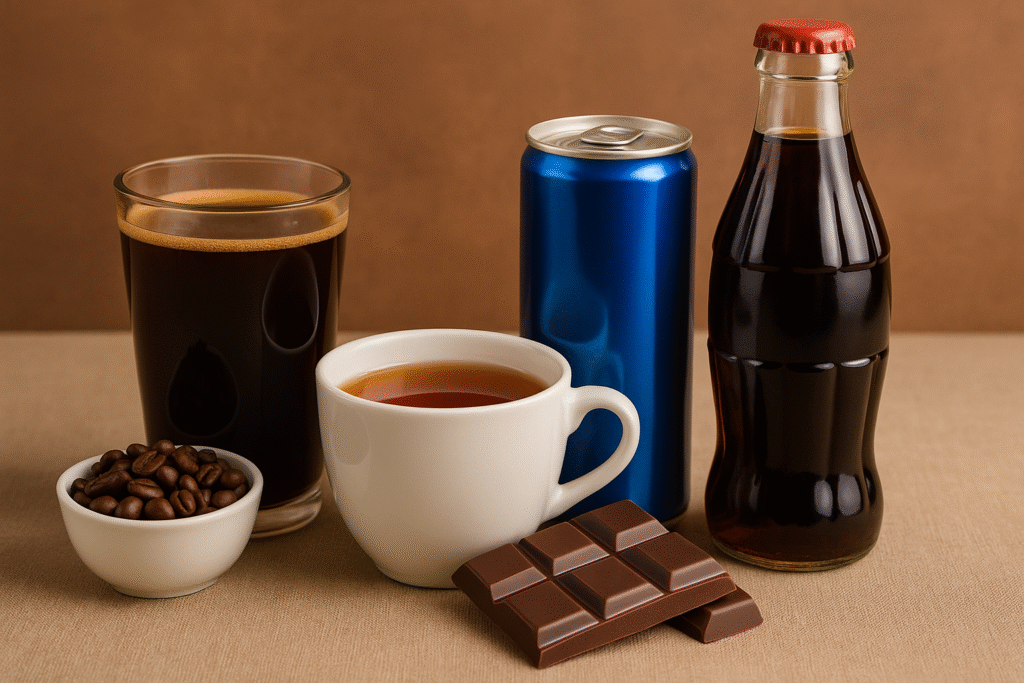

5 Common Foods and Beverages That Are High in Caffeine (That You May Be Overlooking)
Caffeine is one of the most widely consumed stimulants in the world. A little boost can help you stay alert, improve focus, and enhance performance. But too much caffeine can disrupt sleep, increase anxiety, raise heart rate, and worsen certain health conditions.
Most people know coffee and energy drinks are caffeinated. However, many everyday foods and drinks also contain caffeine – sometimes in amounts you may not realise. If you’re experiencing symptoms like palpitations, jitteriness, headaches, or poor sleep, it’s important to understand how much caffeine you’re really consuming in a day.
In this article, we’ll walk through 5 common foods and beverages high in caffeine, how they can affect your health, safe intake limits, and when to consider lab tests to monitor your wellbeing.
How Much Caffeine Is Safe Per Day?
For most healthy adults, up to 400 mg of caffeine per day is generally considered safe. That’s roughly equal to:
- 4 small cups (120–150 ml) of brewed coffee, or
- 2 large cups of strong coffee, or
- 8 cans of regular cola, or
- 2–3 energy drinks (depending on brand and strength)
However, your personal tolerance may be lower if you:
- Are pregnant or breastfeeding
- Have heart disease or arrhythmia
- Have anxiety disorders
- Have uncontrolled high blood pressure
- Have gastric issues like GERD, ulcers, or chronic acidity
- Have sleep disorders (insomnia, sleep apnea, etc.)
For these groups, much lower limits may be recommended — sometimes as low as 200 mg/day or less, and in some cases complete avoidance.
Now let’s look at 5 common caffeine sources you might be underestimating.
1. Coffee: The Most Popular Caffeine Source
Coffee is the largest source of caffeine for most adults. But its caffeine content can vary widely based on type and preparation method.
Typical Caffeine Content in Coffee
- Brewed coffee (240 ml / 1 cup): 80–140 mg
- Instant coffee (1 cup): 60–90 mg
- Espresso (30–60 ml / 1 shot): 60–100 mg
- Cold brew (240 ml): 150–240 mg or more (often much stronger)
- Decaf coffee (1 cup): 2–15 mg (not completely caffeine-free)
If you drink multiple cups per day, it’s easy to cross 400 mg without realising, especially with strong brews or café-style coffees.
Possible Health Effects of Excess Coffee Intake
- Restlessness, irritability, and anxiety
- Difficulty falling or staying asleep
- Fast or irregular heartbeat (palpitations)
- Increased blood pressure (short-term spikes)
- Worsening of gastric acidity or reflux
- Frequent urination and mild dehydration if water intake is low
When to Consider Lab Tests if You Drink a Lot of Coffee
Heavy, long-term coffee consumption combined with other lifestyle factors (irregular diet, smoking, lack of exercise) may increase your risk of metabolic and cardiovascular issues.
You may consider periodic health checks, such as:
- Basic Health Check / Wellness Profile (if available in your city) – to monitor blood sugar, cholesterol, liver and kidney health.
- Lipid Profile – to check cholesterol and triglyceride levels, especially if you consume a lot of coffee with sugar, cream, or flavored syrups.
- Cardiac Risk or Heart Health Packages – useful if you experience frequent palpitations, chest discomfort, or have risk factors like obesity, diabetes, or hypertension.
2. Tea: Black, Green, and Other Variants
Tea is the second most common caffeine source worldwide. While tea usually contains less caffeine than coffee, many people drink it more frequently throughout the day.
Typical Caffeine Content in Tea
- Black tea (240 ml cup): 40–70 mg
- Green tea (240 ml cup): 20–45 mg
- Oolong tea (240 ml cup): 30–50 mg
- White tea (240 ml cup): 15–30 mg
- Masala chai / milk tea (200–250 ml): 30–60 mg (varies with brew strength)
- Matcha (1 teaspoon powder): 40–70 mg
Herbal teas like chamomile, peppermint, or hibiscus are usually caffeine-free (unless blended with true tea leaves).
Is Tea Better Than Coffee for Caffeine?
Tea also contains L-theanine, an amino acid that can promote relaxation and counter some of caffeine’s jittery effects. For many people, tea provides a gentler, smoother alertness compared to coffee.
When to Cut Back on Tea
Consider reducing tea intake if you notice:
- Headaches when you skip your usual tea (withdrawal)
- Difficulty sleeping if you drink tea in the evening
- Stomach discomfort or acidity from strong or very hot tea
- Frequent urination or dehydration if you rely only on tea instead of plain water
Relevant Tests for Heavy Tea Drinkers
While moderate tea is usually safe, chronic overconsumption combined with poor diet or lifestyle may contribute to acidity, digestive issues, or sleep disturbances.
You may explore:
- Comprehensive Health Packages / Full Body Checkup – to monitor overall wellness, especially if you depend on caffeinated beverages to get through the day.
- Kidney Function Tests (KFT) – if you habitually drink strong tea and less water or have swelling, fatigue, or changes in urination.
3. Soft Drinks & Colas: Hidden Caffeine and High Sugar
Many carbonated soft drinks contain caffeine, particularly colas and certain flavoured sodas. These beverages often combine caffeine with a very high sugar content, which can hurt metabolic health over time.
Typical Caffeine Content in Soft Drinks
- Regular cola (330 ml can): 30–45 mg
- Diet cola (330 ml can): 30–50 mg
- Some citrus sodas and “energy colas”: 30–55 mg or more
On their own, these numbers may look low, but the problem lies in cumulative intake and sugar load.
Why Colas Can Be More Harmful Than Coffee
- High sugar content: A single can may contain 30–40 g of sugar (about 7–10 teaspoons).
- Empty calories: No meaningful vitamins, minerals, or fibre.
- Acidic pH: Can erode tooth enamel and aggravate acidity.
- Frequent intake: People often drink multiple cans a day, especially in hot weather.
Health Risks of Excess Soft Drink Consumption
- Weight gain and central obesity
- Higher risk of type 2 diabetes
- Increased triglycerides and cholesterol
- Non-alcoholic fatty liver disease (NAFLD)
- Dental cavities and enamel erosion
Important Tests if You Regularly Consume Colas
If soft drinks are a part of your daily routine, it’s sensible to periodically monitor your metabolic health. You can explore relevant tests and packages at Seralis Lab, such as:
- Diabetes Screening / Blood Sugar Tests (Fasting, PP, HbA1c) – if you consume sugary drinks often or have a family history of diabetes.
- Liver Function Test (LFT) – excess sugary beverages can contribute to fatty liver.
- Lipid Profile – to assess cholesterol and triglycerides if you regularly drink sugar-sweetened beverages.
- Comprehensive Health or Metabolic Packages – combining sugar, lipid, liver, and kidney tests for a complete picture.
4. Energy Drinks: Caffeine Plus Other Stimulants
Energy drinks are designed to deliver a strong boost in alertness and energy. They typically contain:
- Caffeine (sometimes very high)
- Sugar or artificial sweeteners
- Taurine
- Guarana (a plant extract rich in caffeine)
- B vitamins and herbal stimulants
Typical Caffeine Content in Energy Drinks
- Standard can (250 ml): 70–100 mg
- Large can (473–500 ml): 140–200+ mg
- “Energy shots” (60 ml): 100–200 mg or more
Guarana and other extracts may further increase the effective caffeine load beyond what’s declared on the label.
Health Concerns with Energy Drinks
- Rapid heart rate and palpitations
- High blood pressure spikes
- Insomnia and anxiety
- Digestive upset and dehydration (especially during sports)
- Increased risk of heart rhythm disturbances, particularly when combined with alcohol
Young adults, teenagers, athletes, and people with underlying heart conditions are particularly vulnerable to side effects from excess energy drink consumption.
When to Get Tested if You Use Energy Drinks Frequently
If you’re relying heavily on energy drinks before workouts, night shifts, exams, or long drives, it’s wise to track your heart and metabolic health. You can look at:
- Cardiac Risk Profile / Heart Health Panel – includes cholesterol, sometimes hs-CRP and related markers, helpful if you experience palpitations or chest discomfort.
- Kidney Function Test (KFT) – high caffeine and dehydration (from intense workouts) can strain kidney function.
- Comprehensive Sports or Fitness Packages – where available, to monitor overall health if you’re an athlete or gym-goer using pre-workout stimulants.
5. Chocolate, Cocoa & Caffeinated Snacks
Chocolate and cocoa naturally contain caffeine and theobromine, both of which can stimulate the central nervous system. Many people forget to count them in their daily caffeine total.
Typical Caffeine Content in Chocolate Products
- Dark chocolate (30 g piece, 70–85% cocoa): 20–60 mg
- Milk chocolate (30 g): 3–15 mg
- Hot cocoa (240 ml, made with cocoa powder): 5–20 mg
- Mocha coffee (240 ml, coffee + chocolate): 80–150+ mg (coffee + cocoa combined)
- Chocolate-flavoured energy bars or snacks: Varies widely (check label)
Who Should Watch Their Chocolate & Cocoa Intake?
- People with acid reflux or gastritis – chocolate can relax the lower esophageal sphincter and worsen reflux.
- Those with migraine or headache disorders – chocolate can be a trigger for some individuals.
- People with sleep issues – eating dark chocolate late at night can affect sleep quality.
Sweetened Chocolate Products and Metabolic Health
Most commercial chocolate products are high in sugar and fat, which can contribute to:
- Weight gain
- Increased triglycerides and LDL (bad) cholesterol
- Higher risk of prediabetes and diabetes
Useful Tests for Regular Chocolate and Dessert Consumers
If you have a sweet tooth and regularly consume desserts, chocolates, and sweetened drinks along with other caffeine sources, it is sensible to track your metabolic health. On Seralis Lab you can explore:
- HbA1c and Blood Sugar Panel – to check average blood glucose control and diabetes risk.
- Lipid Profile – to monitor cholesterol and triglycerides if you frequently consume high-fat, high-sugar treats.
- Full Body / Preventive Health Check Packages – helpful if you have multiple lifestyle risk factors.
Other Surprising Sources of Caffeine
Beyond the 5 main categories, caffeine can also be present in:
- Pre-workout supplements and fat-burners
- Some painkillers and cold medications (especially those labelled as “extra strength” or “fast-acting”)
- Caffeinated chewing gum and mints
- “Energy” candies or gels
- Certain flavoured waters and iced teas
Always read labels carefully, especially if you already consume coffee, tea, or energy drinks.
Who Should Be Extra Cautious With Caffeine?
1. Pregnant or Breastfeeding Women
Most guidelines recommend limiting caffeine intake to 200 mg/day or less during pregnancy, as high intake may be associated with low birth weight and other complications.
Pregnant women may also consider:
- Prenatal Screening / Antenatal Profiles – to monitor health parameters during pregnancy, as recommended by your doctor.
2. People With Heart Disease or Hypertension
High caffeine intake can cause short-term spikes in blood pressure and may worsen palpitations in susceptible individuals.
Along with medical advice, tests such as the following (via Seralis Lab) may help monitor your condition:
- Cardiac Risk Profile
- Lipid Profile
- Kidney Function Tests (as kidney health and blood pressure are closely linked)
3. People With Anxiety or Sleep Disorders
Caffeine can worsen:
- Generalised anxiety and panic disorder
- Insomnia and restless sleep
- Daytime fatigue due to poor sleep quality
Reducing or eliminating caffeine, especially after midday, may significantly improve symptoms.
4. People With Gastric Issues
Caffeine can increase gastric acid secretion and relax the lower oesophageal sphincter, which may worsen:
- Acid reflux (GERD)
- Gastritis
- Peptic ulcers
Your doctor may recommend cutting back or switching to low-acid, low-caffeine options.
How to Manage and Reduce Your Caffeine Intake Safely
1. Track Your Daily Intake
Add up caffeine from all sources: coffee, tea, cola, energy drinks, chocolate, and medications. This helps you understand where you may be overdoing it.
2. Reduce Gradually, Not Suddenly
Quitting caffeine abruptly can cause withdrawal symptoms such as:
- Headache
- Fatigue
- Irritability
- Difficulty concentrating
Instead, reduce by 10–25% per week, or slowly:
- Switch from strong coffee to milder coffee
- Replace one caffeinated drink with a herbal tea or water
- Limit caffeine intake after 3–4 pm
3. Stay Hydrated
Balance caffeinated beverages with plenty of plain water throughout the day to reduce dehydration, headaches, and fatigue.
4. Support Overall Health With Periodic Testing
If you’ve been consuming high levels of caffeine, sugar, or energy drinks for a long time, it’s wise to check how your body is coping. Preventive testing via Seralis Lab can help you catch early changes in blood sugar, cholesterol, liver, kidney, or heart health.
- Explore complete health checkup packages tailored for age, gender, and risk profile.
- If you have specific concerns (like frequent palpitations, fatigue, or weight gain), discuss with your doctor which tests from Seralis Lab’s catalogue would be most appropriate.
Key Takeaways
- Caffeine is found not only in coffee and tea but also in colas, energy drinks, chocolate, and many processed products.
- Most healthy adults can tolerate up to 400 mg/day, but many people may need significantly less.
- Symptoms like insomnia, anxiety, palpitations, headaches, and digestive issues may all be related to excess caffeine intake.
- Reading labels and being aware of all your caffeine sources is essential, especially if you have existing health conditions.
- Regular preventive health tests through trusted labs like Seralis Lab can help you stay ahead of potential complications associated with long-term high caffeine and sugar intake.
FAQs About Caffeine and Your Health
1. Is caffeine always harmful?
No. In moderate amounts, caffeine can improve alertness, concentration, and physical performance. For most healthy adults, up to 400 mg/day is considered safe. However, individual tolerance varies and some people are more sensitive than others.
2. Does decaf coffee have zero caffeine?
Decaf coffee is not completely caffeine-free. A cup of decaf typically contains about 2–15 mg of caffeine. This is much lower than regular coffee but may still affect very sensitive individuals.
3. Can caffeine cause high blood pressure?
Caffeine can cause a temporary rise in blood pressure, especially in people who are not regular users or those with hypertension. Long-term effects vary, but if you have high blood pressure, it’s advisable to monitor your intake and check BP regularly.
4. What are the signs that I’m having too much caffeine?
Common signs include:
- Jitteriness and restlessness
- Racing heartbeat or palpitations
- Insomnia or poor sleep quality
- Frequent headaches
- Stomach discomfort or acidity
- Anxiety or irritability
If you notice these regularly, slowly cut back and consult your doctor.
5. Is it safe for children and teenagers to consume caffeinated drinks?
Children are more sensitive to caffeine. High caffeine intake from cola, energy drinks, or coffee can affect their sleep, behaviour, heart rate, and concentration. Most expert bodies recommend very limited or no caffeine for young children and caution for teenagers.
6. How can I check if my lifestyle is affecting my health?
Along with monitoring your symptoms and habits, regular preventive blood tests are helpful. You can:
- Review relevant health packages and tests at Seralis Lab.
- Discuss your caffeine, sugar, and diet patterns with your doctor, who can suggest which panels (like lipid profile, blood sugar, liver, kidney, or cardiac risk) are right for you.
7. Does caffeine interact with any medications?
Yes. Caffeine can interact with several medications, including certain antibiotics, psychiatric medications, and heart drugs. It can increase side effects like nervousness, insomnia, or palpitations. Always inform your doctor about your caffeine intake when new medicines are prescribed.
References
- Temple JL et al. The Safety of Ingested Caffeine: A Comprehensive Review. Front Psychiatry. 2017.
- EFSA Panel on Dietetic Products, Nutrition and Allergies. Scientific Opinion on the safety of caffeine. EFSA Journal. 2015.
- Mayo Clinic. Caffeine: How much is too much?
- U.S. Food & Drug Administration (FDA). Spilling the Beans: How Much Caffeine is Too Much?
- Harvard T.H. Chan School of Public Health. Coffee and Health.
- Harvard T.H. Chan School of Public Health. Sugary Drinks and Health.
- National Health Service (NHS), UK. How does caffeine affect blood pressure?
Disclaimer: This article is for informational purposes only and should not be taken as medical advice. Always consult your healthcare provider for personalised recommendations. For diagnostic testing and preventive health packages, please refer to your doctor’s guidance and explore options available at Seralis Lab.