
5 Powerful Health Benefits of Mint You Should Know
Mint (Mentha) is far more than a refreshing herb used in chutneys, salads, and mocktails. This aromatic plant has been valued for centuries in traditional medicine for its benefits on digestion, breathing, mood, and more. Modern research now supports many of these traditional uses.
In this article, you’ll learn about the top 5 science-backed health benefits of mint, how to use it safely, and when you should consider medical tests to understand underlying health issues. We’ve also included links to relevant health checkups and lab tests from Seralis Lab (seralislab.com) that can help monitor your health if you rely on mint for digestion, respiratory comfort, or metabolic wellness.
What Is Mint?
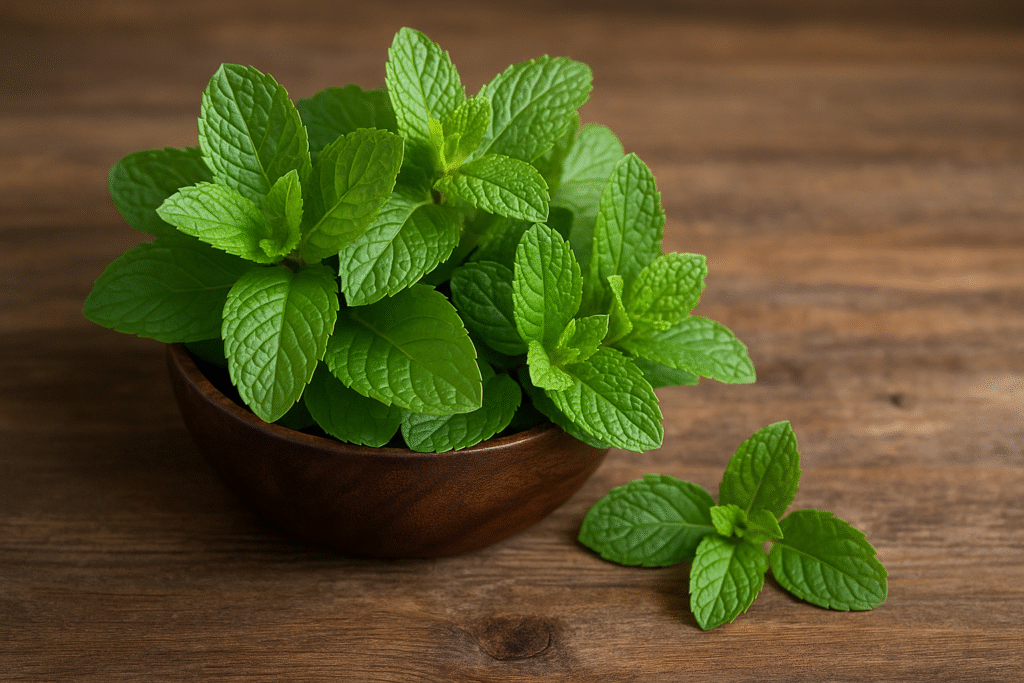
Mint is a group of around 25–30 plant species in the genus Mentha, including peppermint, spearmint, and pudina (a common Indian mint). The leaves contain essential oils, mainly menthol and menthone, which give mint its cooling sensation, distinct aroma, and many of its health benefits.
Mint can be consumed as:
- Fresh leaves (in chutneys, salads, raita, buttermilk)
- Dried leaves (herbal teas)
- Mint oil (aromatherapy, balms, certain medicines)
- Mint extract (flavouring foods, dental products)
1. Mint Supports Digestion and Relieves Indigestion
Mint is widely used to ease digestive discomfort. The menthol in mint has an antispasmodic effect, helping relax the smooth muscles of the gastrointestinal tract. This may reduce cramping, bloating, and feelings of fullness.
How Mint Helps Your Gut
- Relieves bloating & gas: Mint can improve bile flow and support digestion of fats, which may reduce gas formation.
- Reduces stomach cramps: Antispasmodic properties of peppermint oil can reduce intestinal muscle spasms.
- May help functional dyspepsia and IBS: Peppermint oil capsules have been studied for irritable bowel syndrome (IBS) and functional dyspepsia.
A meta-analysis of randomized controlled trials found that enteric-coated peppermint oil capsules improved global IBS symptoms and abdominal pain compared to placebo.[1]
Easy Ways to Use Mint for Digestion
- Have pudina chutney with meals to support digestion.
- Drink warm mint tea after heavy or spicy meals.
- Add a few fresh mint leaves to buttermilk or lemonade.
When to Consider Lab Tests
If you frequently experience:
- Persistent bloating, acidity, or gas
- Recurrent abdominal pain
- Altered bowel habits (constipation/diarrhoea)
It’s important to investigate the cause beyond symptomatic relief from mint. You may consider:
- Comprehensive Health Checkup Packages – Seralis Lab (for overall digestive, liver and metabolic health)
Check the “full-body” or “executive” health packages at Seralis Lab to evaluate parameters like liver function, blood sugar, cholesterol, and inflammatory markers that can impact gut health. - Liver Function Test (LFT) – Often included in health packages; useful when indigestion, nausea or upper abdominal discomfort persists.
Mint can soothe mild digestive discomfort, but do not ignore chronic or severe symptoms. Always consult a doctor if digestive problems are frequent or worsening.
2. Mint May Help Irritable Bowel Syndrome (IBS)
Irritable Bowel Syndrome (IBS) is a chronic digestive condition characterized by abdominal pain, bloating, and altered bowel habits. Peppermint oil has been one of the most studied herbal agents for IBS.
Evidence for Peppermint Oil in IBS
- Peppermint oil relaxes smooth muscles of the intestine (via calcium-channel blockade), reducing spasms and pain.
- A systematic review and meta-analysis concluded that peppermint oil is a safe and effective therapy for pain and global symptoms in adults with IBS.[2]
Important Considerations
- Enteric-coated peppermint oil capsules are typically used in studies, not home remedies alone.
- High doses may worsen reflux (heartburn) in some people.
- IBS is a diagnosis of exclusion – other serious conditions must be ruled out first.
Relevant Tests from Seralis Lab
If IBS-like symptoms persist (bloating, diarrhoea/constipation, mucus in stool, pain relieved by defecation), your doctor may recommend lab tests to rule out infections, inflammation or other causes:
- Basic Health Check Packages – These usually include:
- Complete Blood Count (CBC)
- C-Reactive Protein (CRP) or ESR
- Liver Function Test (LFT)
- Kidney Function Test (KFT)
- Blood sugar and lipid profile
Choose a suitable package from Seralis Lab based on your doctor’s advice.
- Stool tests (if available in Seralis Lab packages) – To rule out infections or occult blood if recommended by your physician.
Mint, particularly in peppermint oil form, may be part of IBS management under medical guidance, but laboratory evaluation ensures that serious gut conditions are not missed.
3. Mint Helps Freshen Breath and Support Oral Health
Mint is a common ingredient in toothpaste, mouthwash, and chewing gums because of its strong, refreshing flavour and potential antimicrobial properties.
How Mint Benefits Your Mouth
- Instant freshness: Menthol provides a cooling sensation and masks bad odour temporarily.
- Antibacterial action: Some lab studies show that mint essential oil can inhibit the growth of certain oral bacteria that contribute to bad breath and plaque.[3]
- Better saliva flow: Chewing mint leaves or sugar-free mint gum can stimulate saliva, helping naturally cleanse the mouth.
However, remember that while mint can mask bad breath, chronic halitosis often indicates an underlying issue such as gum disease, dental decay, sinus infection, uncontrolled diabetes, or digestive disorders.
When to See a Doctor or Dentist
- Bad breath persists despite good oral hygiene
- Bleeding gums, tooth pain, or loose teeth
- Dry mouth, unusual taste, or mouth ulcers
Helpful Tests from Seralis Lab
- Diabetes / Blood Sugar Tests (often part of Seralis Lab health packages) – Poorly controlled diabetes can contribute to gum disease and persistent bad breath. Visit seralislab.com to find:
- Fasting Blood Sugar
- HbA1c (3-month average sugar)
included within appropriate health packages.
- Comprehensive Health Checkup Packages – Helpful when bad breath is associated with systemic symptoms like fatigue, weight changes, or frequent infections.
4. Mint May Ease Cold Symptoms and Support Respiratory Comfort
Mint is famous in home remedies for cough, cold, and nasal congestion. While it does not cure infections, it can provide symptomatic relief.
How Mint Helps During Colds
- Menthol’s cooling effect: Menthol can create a sensation of easier breathing by stimulating cold receptors in the nasal passages, even without significantly changing airflow.[4]
- Soothes throat: Warm mint tea or steam inhalation with mint leaves may help reduce throat irritation.
- Possible antimicrobial effects: Some laboratory studies indicate peppermint oil has antiviral and antibacterial activity, but this does not replace medical treatment.
Safe Ways to Use Mint During a Cold
- Have warm mint and tulsi (holy basil) tea with honey (if not diabetic and not giving to infants).
- Use steam inhalation with mint or eucalyptus leaves/oil (only a few drops and avoid direct contact with skin/eyes).
- Add mint leaves to soups and warm broths for extra comfort.
Do not use concentrated mint oil directly on the face or nose of infants and small children; it can cause breathing difficulty.
When You Should Get Tested
If you experience:
- Frequent or prolonged colds and infections
- Shortness of breath, chest pain, or wheezing
- Fever that does not settle, or cough lasting >2–3 weeks
Consult a doctor. They may recommend blood tests to rule out underlying issues or weakened immunity.
- General Health / Immunity Screening Packages – Seralis Lab
Look for comprehensive checkups at Seralis Lab that include:- Complete Blood Count (CBC)
- Vitamin D, Vitamin B12 (if part of the package)
- Inflammatory markers (e.g., CRP, ESR) – commonly included in advanced packages
These help assess overall immune status and general health when recurrent infections are a concern.
5. Mint May Help with Headaches and Boost Alertness
Mint has long been used in traditional medicine to relieve headaches and improve mental alertness. Modern studies support some of these uses, especially with peppermint oil.
Mint for Headache Relief
- Topical application of a 10% peppermint oil solution on the temples and forehead has been found to reduce tension-type headache intensity, with efficacy similar to 1000 mg paracetamol in some studies.[5]
- Menthol can provide a cooling sensation and mild analgesic effect on the skin.
How to use: Diluted peppermint oil (in a carrier oil) can be gently applied to the temples, ensuring it does not enter the eyes. Always perform a patch test for skin sensitivity.
Mint and Mental Alertness
- Studies suggest that the aroma of peppermint may improve alertness, memory, and cognitive performance in some people.[6]
- Mint tea or simply inhaling the scent of fresh mint can make you feel refreshed and more focused.
When to Get Medical Help and Tests
Mint-based remedies are suitable only for mild, occasional headaches. Seek medical attention if you have:
- Severe, sudden-onset headaches (“worst headache of life”)
- Frequent headaches, needing painkillers often
- Headache with blurred vision, weakness, speech difficulty, or seizures
- Headache with persistent vomiting or high fever
Relevant Tests from Seralis Lab
- Comprehensive Health Packages – To identify metabolic or nutritional causes of headaches (like anaemia, thyroid dysfunction, vitamin deficiencies). Commonly included:
- CBC (for anaemia)
- Thyroid Profile (TSH, T3, T4)
- Vitamin D, Vitamin B12 (if covered in the chosen package)
You can explore appropriate preventive health checkups at Seralis Lab.
Other Potential Health Benefits of Mint
Beyond the five major benefits above, mint may also offer:
Support for Skin Health
- Mint’s menthol can provide a cooling effect on mild skin irritation or itching when used in diluted form.
- Some herbal skincare formulations use mint for its soothing and antimicrobial properties.
Help with Nausea
- Peppermint aroma or tea may reduce nausea in some individuals, including post-operative patients, as suggested by some clinical studies.[7]
- This is especially useful for motion sickness or mild morning nausea, with your doctor’s approval.
Potential Metabolic and Antioxidant Effects
- Mint leaves contain antioxidants like rosmarinic acid, which may help combat oxidative stress.
- Some animal and preliminary human studies have suggested possible hypoglycaemic or lipid-lowering effects, but more evidence is needed before using mint as a treatment for diabetes or cholesterol.
Tests to Monitor Metabolic Health – Seralis Lab
If you’re using mint as part of a healthy lifestyle for weight, blood sugar, or cholesterol management, regular monitoring is essential:
- Diabetes & Sugar Monitoring Packages (via Seralis Lab):
- Fasting Blood Sugar
- Postprandial Blood Sugar (PPBS)
- HbA1c
- Lipid Profile – To track cholesterol and triglyceride levels.
- Full Body Checkups – Combining sugar, lipid, liver, kidney, and thyroid tests for a complete metabolic picture.
Check detailed test and package options at seralislab.com and select what best suits your risk profile and doctor’s advice.
How to Safely Include Mint in Your Diet
Simple Ways to Add Mint Every Day
- Add chopped mint leaves to chutneys, salads, raita, and sandwiches.
- Infuse drinking water with mint, lemon, and cucumber for a refreshing detox-style drink.
- Drink sugar-free mint tea between meals.
- Use mint leaves in homemade buttermilk or lassi.
Recommended Quantities
- Culinary mint: Generally safe for regular consumption as part of meals.
- Mint tea: 1–2 cups a day is usually well tolerated in healthy individuals.
- Mint oil / supplements: Use only under medical or professional guidance, especially for IBS or therapeutic purposes.
Possible Side Effects and Precautions
- Excess mint may worsen acid reflux or heartburn in some people.
- Concentrated peppermint oil should be avoided in infants and very young children due to the risk of breathing difficulties.
- People with gallstones, hiatal hernia, or severe GERD should consult a doctor before using peppermint oil supplements.
- Allergic reactions are rare but possible – discontinue use if you notice rash, itching, or breathing difficulty.
When Mint Is Not Enough: Why Health Checkups Matter
Mint is an excellent supportive herb for digestion, breath freshness, cold relief, and mild headaches. However, it should never replace proper medical diagnosis and treatment for serious or persistent symptoms.
Regular health screening helps detect underlying problems early—such as diabetes, thyroid disease, anaemia, liver issues, or chronic infections—so that herbal remedies like mint can be used effectively alongside medical care, not instead of it.
Useful Categories of Tests at Seralis Lab
- Full Body / Comprehensive Health Checkups
Ideal for adults who want a complete picture of their health, especially if they have frequent digestive or respiratory complaints. These typically include:- Complete Blood Count (CBC)
- Liver Function Test (LFT)
- Kidney Function Test (KFT)
- Blood Sugar (Fasting, PPBS, HbA1c)
- Lipid Profile
- Thyroid Function Tests
- Diabetes & Metabolic Monitoring Packages
Useful for those with:- Family history of diabetes
- Overweight/obesity
- Sedentary lifestyle
- Using mint as part of lifestyle changes to improve sugar and cholesterol
- Targeted Tests (commonly included in Seralis Lab packages):
- CBC – for anaemia, infections
- LFT – for digestion-related liver issues
- KFT – for kidney health
- Vitamin D, B12 – if fatigue, body aches, or neurological symptoms are present
To view the complete list of tests and packages available, and to book a test, visit seralislab.com.
Frequently Asked Questions (FAQs) About Mint
1. Is it safe to eat mint leaves every day?
Yes, consuming fresh mint leaves in normal culinary amounts (in chutneys, salads, teas, etc.) is generally safe for most healthy people. Problems mainly arise with excessive use of concentrated mint oil or supplements. If you have reflux, gallbladder disease, or are pregnant, ask your doctor before using medicinal doses.
2. Can mint cure acidity and gas completely?
Mint can temporarily relieve gas, bloating, and mild acidity by relaxing digestive muscles and supporting bile flow. However, it does not cure the root cause of chronic acidity or GERD. Persistent symptoms need proper evaluation, which may include tests like LFT, CBC, and others through comprehensive packages at Seralis Lab.
3. Is mint good for weight loss?
Mint itself does not directly burn fat, but it can support digestion, reduce bloating, and make low-calorie foods and drinks more palatable (like infused water, salads). For healthy weight loss, focus on a balanced diet, exercise, good sleep, and periodic metabolic checks (sugar, lipids, thyroid) via suitable test packages.
4. Can children have mint?
Yes, children can have mint leaves in food and mild mint tea in small amounts, unless they are allergic. However, do not use concentrated peppermint oil on or near the face of infants and very young children. Always consult a paediatrician before using any mint-based medicine or supplement.
5. Does mint increase or decrease blood pressure?
Mint in food is unlikely to significantly impact blood pressure. Some studies suggest peppermint may relax smooth muscles, but it is not a substitute for blood pressure medicines. If you have hypertension, continue your prescribed treatment and monitor blood pressure regularly. Comprehensive cardiac or hypertensive packages at Seralis Lab can help track your risk factors (lipids, sugar, kidney, etc.).
6. Can pregnant women take mint?
Small culinary amounts of mint leaves are usually considered safe during pregnancy. However, high doses of peppermint oil or supplements should be avoided unless your doctor approves. If you are pregnant and experiencing digestive or headache issues, speak to your gynaecologist for safer remedies and any necessary prenatal tests.
7. When should I stop using home remedies with mint and see a doctor?
You should consult a doctor if you have:
- Severe or worsening abdominal pain
- Unexplained weight loss, blood in stool, or prolonged diarrhoea/constipation
- Very frequent headaches or migraines
- Persistent cough, breathlessness, or high fever
- Any symptom lasting more than a few weeks
Your doctor may advise lab investigations, many of which can be done through Seralis Lab’s health checkup packages.
Key Takeaways
- Mint is a versatile herb with benefits for digestion, IBS relief, breath freshness, cold symptoms, and mild headaches.
- Compounds like menthol give mint its cooling, antispasmodic, and antimicrobial properties.
- Use mint leaves freely in your diet, but be cautious with concentrated oils or supplements, especially in children, pregnancy, and in those with reflux.
- Mint is supportive, not curative—persistent symptoms need medical evaluation and appropriate tests.
- For comprehensive health assessment, metabolic screening, and digestive-related investigations, explore the range of tests and packages available at Seralis Lab.
References
- Ford AC, Talley NJ, Spiegel BMR, et al. Efficacy of peppermint oil in irritable bowel syndrome: a systematic review and meta-analysis. Arch Intern Med. 2008;168(8): 940–946.
Available at: https://jamanetwork.com/journals/jamainternalmedicine/fullarticle/414320 - Alammar N, Wang L, Saberi B, et al. Review article: peppermint oil in the treatment of irritable bowel syndrome. Aliment Pharmacol Ther. 2019;49(7):738–752.
Available at: https://onlinelibrary.wiley.com/doi/full/10.1111/apt.15139 - McKay DL, Blumberg JB. A review of the bioactivity and potential health benefits of peppermint tea (Mentha piperita L.). Phytother Res. 2006;20(8):619–633.
Available at: https://onlinelibrary.wiley.com/doi/10.1002/ptr.1936 - Eccles R. Role of menthol in medicines for upper respiratory tract symptoms. Respir Med. 2003;97(8): 905–909.
Available at: https://www.sciencedirect.com/science/article/pii/S0954611103920022 - Göbel H, Fresenius J, Heinze A, Dworschak M, Soyka D. Effectiveness of peppermint oil in the treatment of tension-type headache. Nervenheilkunde. 1994;13: 368–371. Summary available in:
https://pubmed.ncbi.nlm.nih.gov/7954757/ - Moss M, Hewitt S, Moss L, Wesnes K. Modulation of cognitive performance and mood by aromas of peppermint and ylang-ylang. Int J Neurosci. 2008;118(1):59–77.
Available at: https://www.tandfonline.com/doi/abs/10.1080/00207450601042094 - Tate S. The Effect of Peppermint Oil on Postoperative Nausea. J Adv Perioper Care. 2013;1(2): 1–7.
Abstract available via: https://pubmed.ncbi.nlm.nih.gov/24354062/
Disclaimer: This article is for informational purposes only and does not substitute professional medical advice, diagnosis, or treatment. Always consult your doctor before starting or changing any treatment or supplement, including mint-based remedies. For lab investigations, follow your physician’s recommendations while choosing tests and packages from Seralis Lab.