
Buttermilk Benefits: Nutrition, Health Advantages, Side Effects & Best Time to Drink
Buttermilk (called chaas, mattha, mor, majjige in different Indian languages) is more than just a refreshing summer drink. When prepared the traditional way from curd (dahi) with water and mild spices, it becomes a gut-friendly, hydrating, and nutrient-rich drink that fits beautifully into the Indian diet.
In this article, you’ll learn:
- What buttermilk is and how it’s different from lassi and milk
- Detailed health benefits of buttermilk for digestion, weight loss, heart health, bones, skin, and more
- Who should avoid buttermilk or drink it with caution
- The best time and healthiest way to drink buttermilk
- Key medical tests (from Seralis Lab) that are relevant if you drink buttermilk regularly or have related health issues
- Research-backed references and FAQs
What Is Buttermilk?
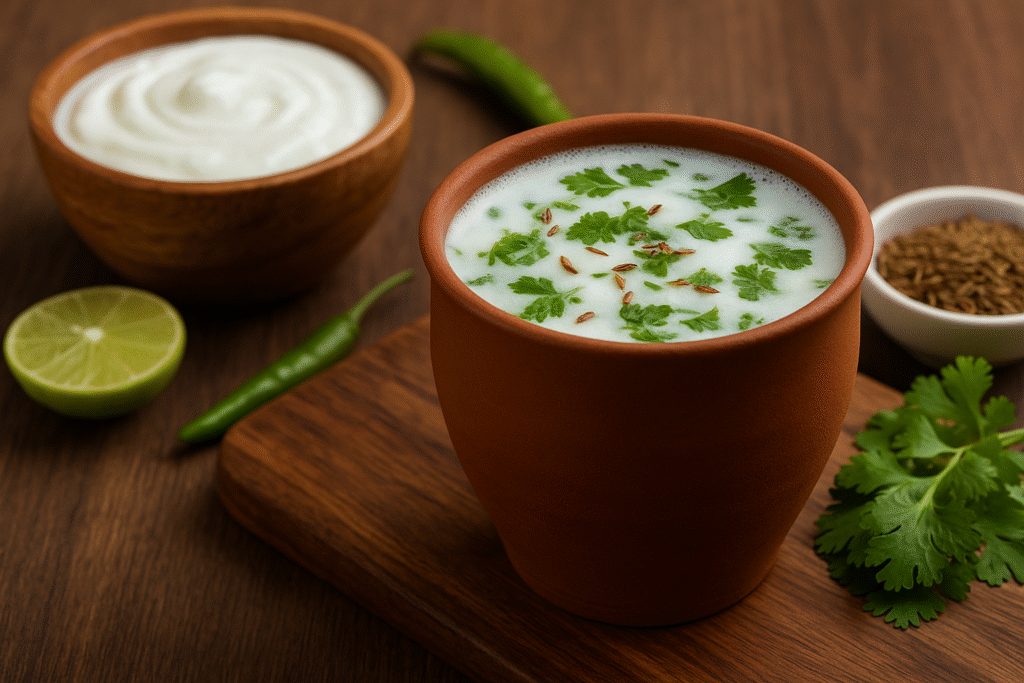
In modern Indian kitchens, “buttermilk” usually means a light, spiced drink made by churning diluted curd (dahi) with water, salt and sometimes coriander, curry leaves, ginger, cumin, or green chilli.
Traditional vs. Commercial Buttermilk
- Traditional / Homemade Buttermilk
Made from fermented curd + water, often with added spices. Rich in live cultures (probiotics) and generally low in fat if made from toned milk. - Cultured / Packaged Buttermilk
Industrial buttermilk is usually pasteurised milk inoculated with specific bacteria. It may have added stabilisers and salt; probiotic content can be lower than fresh, homemade versions.
Buttermilk vs Lassi vs Milk
- Buttermilk (Chaas) – Thin, savoury, lightly salted, made with more water. Better for hydration and digestion.
- Lassi – Thicker, can be sweet or salty, higher in calories and sugar (especially sweet lassi).
- Milk – Higher in fat and calories, heavier to digest for some people, especially those with lactose intolerance.
Buttermilk Nutrition: What’s Inside a Glass?
The exact nutrition depends on how it is prepared, but a typical 250 ml glass of low-fat buttermilk may contain approximately:
- Calories: ~80–100 kcal
- Protein: ~3–4 g
- Fat: ~1.5–2 g (lower if made from toned/skimmed curd)
- Carbohydrates: ~12 g (including lactose)
- Calcium: ~250–300 mg (about 25–30% of daily requirement)
- Vitamin B12: ~0.4–0.9 mcg (varies with fortification and milk quality)
- Riboflavin (Vitamin B2), Phosphorus, Potassium – in moderate amounts
- Live cultures / probiotics – when made from fermented curd
These values can vary, but in general buttermilk is low in fat and calories yet rich in micronutrients and gut-friendly bacteria.
Top 12 Health Benefits of Buttermilk (Chaas)
1. Aids Digestion & Supports Gut Health
Traditional buttermilk contains probiotics (beneficial bacteria) that can help balance your gut microbiome.
- Helps relieve bloating, gas and heaviness after meals
- May support faster digestion and smoother bowel movements
- Spices like jeera (cumin) and ajwain further enhance digestive benefits
Relevant health check from Seralis Lab:
- Comprehensive Stool & Gut Health Panel – helpful if you have chronic acidity, bloating, IBS symptoms or long-term digestive issues.
2. Helps in Hydration & Electrolyte Balance
Buttermilk is mostly water, with some natural salts, potassium, and calcium. It:
- Replenishes fluids lost due to heat and sweating
- Can help prevent mild dehydration in hot weather
- Is gentler on the stomach than many sugary drinks or sodas
Because of its cooling properties, buttermilk is particularly popular in Indian summers.
3. May Support Weight Management
For those trying to lose or control weight, buttermilk can be a smart replacement for high-calorie drinks:
- Low in fat and calories when made from low-fat curd
- Provides protein and volume, which can increase satiety
- Better alternative to sweet beverages like juices, soft drinks and packaged shakes
Relevant tests from Seralis Lab for weight & metabolism:
- Thyroid Profile (TSH, T3, T4) – if you struggle with unexplained weight gain or fatigue.
- Complete Lipid Profile – to monitor cholesterol and triglycerides when making dietary changes.
4. Gentle on the Stomach in Lactose Intolerance (for Some)
Many people with mild lactose intolerance tolerate buttermilk better than milk because:
- Fermentation partially breaks down lactose
- Probiotics may assist digestion
However, this is not true for everyone. If you have moderate to severe lactose intolerance or milk allergy, you should be cautious.
Useful test: Check with your doctor about a Lactose Intolerance / Allergy Panel if you suspect dairy sensitivity.
5. Supports Bone & Teeth Health
Buttermilk provides calcium and phosphorus, essential for maintaining strong bones and teeth. Regular intake, as part of an overall calcium-rich diet, can help:
- Support bone mineral density
- Reduce the long-term risk of osteoporosis (especially in postmenopausal women)
Relevant Seralis Lab tests for bone health:
- Vitamin D 25-OH Test – calcium absorption depends heavily on vitamin D.
- Calcium & Phosphorus Panel – for suspected deficiency or bone weakness.
6. Can Be Heart-Friendly When Used Wisely
Low-fat buttermilk can be preferable to full-fat milk/curd for people monitoring heart health:
- Lower in saturated fat than full-cream milk
- Provides potassium and calcium, which are supportive for blood pressure and vascular health
Use low salt in buttermilk if you have hypertension or heart disease.
Relevant Seralis Lab packages:
- Cardiac Risk Profile (Lipid Profile + hs-CRP + Homocysteine, etc.) – for monitoring heart risk while designing a heart-healthy diet.
7. May Help Reduce Acidity & Heartburn
Many people find buttermilk soothing for acidity and heartburn, especially when lightly spiced with cumin or coriander. It can:
- Act as a natural antacid in mild acidity
- Help neutralise stomach acid after a spicy or heavy meal
However, if you have severe GERD, hiatal hernia, or are sensitive to dairy, you should talk to your doctor.
8. Cooling Effect in Summers
In Ayurveda, buttermilk (especially takra) is considered tridoshic-balancing and particularly good for balancing excess pitta (heat) in the body.
- Provides a cooling effect without being too heavy
- Helps prevent heat exhaustion when combined with light meals and adequate water intake
9. Supports Skin Health Indirectly
Good gut health often reflects on the skin. With its probiotic and hydrating properties, buttermilk may indirectly help:
- Reduce some digestion-related skin issues
- Maintain moisture levels in the body
Some people also use buttermilk externally in face packs for mild exfoliation because of its lactic acid content, though this should be done cautiously for sensitive skin.
Relevant Seralis Lab tests for skin concerns:
- Hormone & PCOS Panel – if you have acne, irregular periods, or PCOS-related skin issues.
- Allergy Panel (Food & Environmental) – if you suspect certain foods, including dairy, trigger skin reactions.
10. May Help Maintain Healthy Blood Pressure (When Unsalted)
Low-fat dairy, including buttermilk, has been associated with a favourable effect on blood pressure in some observational studies. But this benefit:
- Applies best when buttermilk is low in salt
- Is part of an overall balanced, low-sodium, DASH-style diet
Recommended Seralis Lab tests for blood pressure & kidney health:
- Renal Function Test (RFT) – to monitor kidney function, especially in long-term hypertension.
- Electrolyte Panel (Na, K, Cl) – particularly if you have BP issues or are on diuretics.
11. Good Choice for Diabetics (if Prepared Correctly)
Unsweetened, low-fat buttermilk can be suitable for many people living with diabetes because:
- It has a lower glycaemic load compared to many sweetened beverages
- Provides protein and probiotics, which may modestly help meal-time glucose control when used in a balanced meal
Key is to avoid adding sugar or jaggery and consider overall carbohydrate intake.
Relevant Seralis Lab tests for diabetes monitoring:
- Fasting Blood Sugar (FBS)
- HbA1c (Glycated Haemoglobin) – for 3-month average sugar control.
- Comprehensive Diabetes Profile – includes glucose, HbA1c, kidney parameters, and lipid profile.
12. Nutrient Support for Vegetarian Diets
For vegetarians, buttermilk is a convenient way to add:
- Extra protein to meals
- Calcium and Vitamin B12 (if the base milk was fortified or from good-quality sources)
Many vegetarians are at risk of B12 and D deficiency.
Relevant Seralis Lab tests:
- Vitamin B12 Test
- Vitamin D 25-OH Test
- Anaemia Profile (CBC, Iron, Ferritin, B12, Folate) – if you feel weak, tired, or have hair fall and pale skin.
Best Time to Drink Buttermilk
1. After Meals (Especially Lunch)
In many Indian households, a glass of chaas after lunch is a daily habit. This can:
- Support digestion
- Reduce post-meal heaviness or bloating
- Prevent afternoon lethargy in hot climates
2. Mid-Morning or Mid-Evening Snack
Instead of fried snacks or sugary tea/coffee, buttermilk can be used as a:
- Light, low-calorie snack
- Hydrating option between meals
3. Avoid Late-Night Buttermilk If You Have Respiratory or Sinus Issues
Some people find that consuming buttermilk or curd at night may worsen cough, cold, or sinus congestion, especially in cold weather or if prone to allergies. In that case:
- Avoid buttermilk close to bedtime
- Prefer having it during the daytime
How Much Buttermilk Is Safe Per Day?
For most healthy adults, 1–2 glasses (250–500 ml) per day of homemade, low-salt buttermilk is generally safe.
Consider lower amounts or medical advice if you have:
- Severe lactose intolerance or milk allergy
- Advanced kidney disease (due to mineral management)
- Strict fluid restrictions from your doctor
- Severe GERD or confirmed sensitivity to fermented dairy
For children, elderly, and pregnant women, buttermilk can be beneficial if the milk source is safe and pasteurised. Always adjust quantity as per age and tolerance.
Who Should Avoid or Limit Buttermilk?
1. People with Milk Allergy
If you have a confirmed cow’s milk protein allergy, you should avoid all dairy products, including buttermilk, unless your doctor or allergist clearly allows specific fermented foods.
Relevant Seralis Lab test:
Food Allergy Panel (Including Milk Proteins)
2. Moderate to Severe Lactose Intolerance
While some with mild lactose intolerance tolerate buttermilk, those with more severe forms may experience:
- Bloating
- Cramps
- Diarrhoea
- Gas
3. Advanced Kidney Disease
Buttermilk contains potassium, phosphorus, and fluids. If you have chronic kidney disease (CKD) or are on dialysis, your nephrologist may limit or restrict such foods.
Relevant Seralis Lab package:
Renal Profile / CKD Monitoring Panel
4. Uncontrolled Hypertension (with High-Salt Chaas)
If a lot of salt and masala is added, buttermilk can become high in sodium, which is not ideal for people with high blood pressure, heart failure, or risk of stroke.
Choose low-salt or unsalted versions if you have these conditions.
5. Certain Autoimmune or Skin Conditions Sensitive to Dairy
Some people with autoimmune conditions, acne, or eczema find that dairy worsens their symptoms. This is highly individual; tracking symptoms and doing relevant tests can help.
Useful Seralis Lab tests:
- Autoimmune Screening Panel (as advised by your doctor)
- Allergy / Intolerance Testing for dairy if a reaction is suspected.
How to Make Healthy, Digestive-Friendly Buttermilk at Home
Basic Buttermilk (Chaas) Recipe
Ingredients:
- 2 tbsp fresh curd (prefer low-fat if watching weight)
- 1 glass (200–250 ml) clean drinking water
- Pink salt / rock salt to taste (use sparingly)
- Roasted cumin (jeera) powder – ¼ tsp
- Finely chopped coriander leaves (dhaniya)
Optional additions:
A small piece of grated ginger, a pinch of black pepper, curry leaves, or a tiny piece of green chilli.
Method:
- Whisk or churn the curd until smooth.
- Add water gradually while whisking to create a light, frothy drink.
- Mix in salt, cumin powder, and herbs.
- Serve immediately or chill for a short while.
Use fresh curd, not overly sour or stale, to prevent excessive acidity or discomfort.
Buttermilk in Ayurveda
In Ayurveda, buttermilk (takra) is considered highly sattvic and beneficial for digestion when used correctly.
Key Ayurvedic Views on Buttermilk
- Helps in agni (digestive fire) regulation
- Useful in correcting ama (toxic build-up) when combined with the right herbs
- Often recommended for:
- Indigestion
- Mild diarrhoea or IBS (specific formulations)
- Piles and certain skin issues (with appropriate herbs)
However, Ayurveda recommends personalised guidance; those with specific prakriti (constitution) or chronic ailments should consult an Ayurvedic physician before heavy use.
Important Medical Tests Related to Regular Buttermilk Consumption
If buttermilk is a regular part of your diet or you have symptoms related to digestion, weight, sugar, or heart health, you may benefit from periodic testing. Seralis Lab offers several relevant tests and packages:
1. Digestive & Gut Health
- Comprehensive Stool & Gut Microbiome Panel – for chronic gas, IBS, constipation, or diarrhoea.
- H. pylori Test – if you have recurrent acidity, gastritis, or ulcers.
2. Metabolism & Weight
- Thyroid Profile (TSH, T3, T4)
- Lipid Profile
- Comprehensive Wellness Panel – for an overall health check if you are modifying your diet extensively.
3. Diabetes & Blood Sugar
4. Bone, Vitamin & Mineral Status
5. Allergy & Intolerance
- Food Allergy Panel (including dairy) – if you suspect buttermilk or milk causes bloating, rashes, or breathing issues.
Discuss with your doctor or nutritionist which tests are appropriate for your specific situation before booking.
FAQs on Buttermilk (Chaas / Mattha)
Q1. Is buttermilk good for daily consumption?
Yes, for most healthy people, 1–2 glasses of homemade, low-salt buttermilk daily is safe and can be beneficial for digestion, hydration, and nutrition. People with milk allergy, severe lactose intolerance, kidney disease, or certain autoimmune issues should consult their doctor first.
Q2. Can I drink buttermilk at night?
You can, but it may not suit everyone. Those prone to cough, cold, sinusitis, or respiratory allergies often find that dairy at night worsens symptoms. If that’s you, prefer buttermilk during daytime.
Q3. Is buttermilk good for acidity?
Many experience relief from mild acidity and heartburn with a glass of buttermilk, especially with jeera. But if you have severe or chronic GERD, hiatal hernia, or ulcers, dairy effects may vary—always follow your doctor’s advice.
Q4. Is buttermilk good for weight loss?
Buttermilk is low in calories and can be used as a healthy replacement for high-calorie, sugary drinks. It can support weight loss as part of a calorie-controlled, balanced diet and active lifestyle, but it is not a magic fat-burning drink by itself.
Q5. Can diabetics drink buttermilk?
Yes, most diabetics can take unsweetened, low-fat buttermilk in moderation. Avoid adding sugar, honey, or jaggery. Count it as part of your total carbohydrate allowance and monitor blood sugar response.
Q6. Does buttermilk cause gas?
In many people, buttermilk actually reduces gas because of its probiotic effect. However, in those with lactose intolerance or dairy sensitivity, it can cause bloating or gas. If symptoms persist, discuss testing for lactose intolerance or food allergy (Seralis Lab Food Allergy Panel).
Q7. What is the best type of buttermilk to drink—homemade or packaged?
Homemade buttermilk from fresh curd is usually best, as it:
- Has live cultures (if curd is naturally set)
- Is free from unnecessary stabilisers or preservatives
- Lets you control salt and spice levels
Packaged buttermilk is convenient but check the label for added salt, stabilisers, and sugar.
Q8. Is buttermilk safe during pregnancy?
Yes, if made from pasteurised milk and consumed fresh, buttermilk can be safe and beneficial in pregnancy—offering hydration, calcium, and some protein. Avoid extremely sour or stale buttermilk. It’s always wise to consult your gynaecologist for personalised advice.
Q9. Can I have buttermilk if I have high blood pressure?
Yes, but be careful with the salt content. Low-fat, low-salt buttermilk can be a good option in a blood-pressure-friendly diet. Those with advanced kidney disease or on strict fluid restriction should confirm with their nephrologist.
Q10. Is buttermilk suitable for kids?
In children who tolerate dairy well, small amounts of fresh, lightly spiced buttermilk can be given as part of meals, especially from preschool age onwards. Avoid very spicy, very salty versions, and ensure good hygiene and pasteurised milk use.
References (Research & Authoritative Sources)
- USDA FoodData Central. “Buttermilk, lowfat, cultured.” Available at: https://fdc.nal.usda.gov
- FAO/WHO. “Health and Nutritional Properties of Probiotics in Food including Powder Milk with Live Lactic Acid Bacteria.” 2001. Available at: https://www.fao.org/3/a0512e/a0512e.pdf
- Gómez-Gallego, C., et al. “The Role of Probiotics in Gut Health and Disease.” Current Opinion in Pharmacology, 2018. DOI:10.1016/j.coph.2018.02.013
- Soedamah-Muthu, S. S., & Ding, E. L. “Dairy Consumption, Blood Pressure and Risk of Hypertension.” Current Opinion in Lipidology, 2011. DOI:10.1097/MOL.0b013e3283472c8a
- Rautiainen, S., et al. “Dairy Consumption and Risk of Cardiovascular Disease.” Current Atherosclerosis Reports, 2016. DOI:10.1007/s11883-016-0587-3
- National Institutes of Health (NIH). “Calcium Fact Sheet for Health Professionals.” Available at: https://ods.od.nih.gov/factsheets/Calcium-Consumer
- National Institutes of Health (NIH). “Vitamin D Fact Sheet for Health Professionals.” Available at: https://ods.od.nih.gov/factsheets/VitaminD-Consumer
- EFSA Panel on Dietetic Products, Nutrition and Allergies. “Scientific Opinion on the Substantiation of Health Claims Related to Live Yogurt Cultures and Improved Lactose Digestion.” EFSA Journal, 2010. Available at: https://efsa.onlinelibrary.wiley.com
- Ayurvedic classical texts (Charaka Samhita, Sushruta Samhita) – sections on “Takra” and its use in digestive disorders.
Disclaimer: This article is for educational purposes only and does not replace medical advice. Always consult a qualified healthcare professional before making significant changes to your diet, especially if you have existing health conditions or are on regular medication. For any lab tests mentioned, please consult your doctor or a certified nutritionist to choose the right package from Seralis Lab based on your individual needs.