
Lemongrass Tea Benefits: Nutrition, Uses, Side Effects & Best Time to Drink
Lemongrass tea has become a popular herbal drink for its refreshing citrusy flavor and potential health benefits. From aiding digestion and supporting heart health to helping manage stress and blood sugar levels, lemongrass tea is more than just a soothing beverage.
In this detailed guide, we’ll explore science-backed benefits of lemongrass tea, its nutrition profile, how to make it, possible side effects, the best time to drink it, and when you should consider lab tests to monitor your health.
What Is Lemongrass Tea?
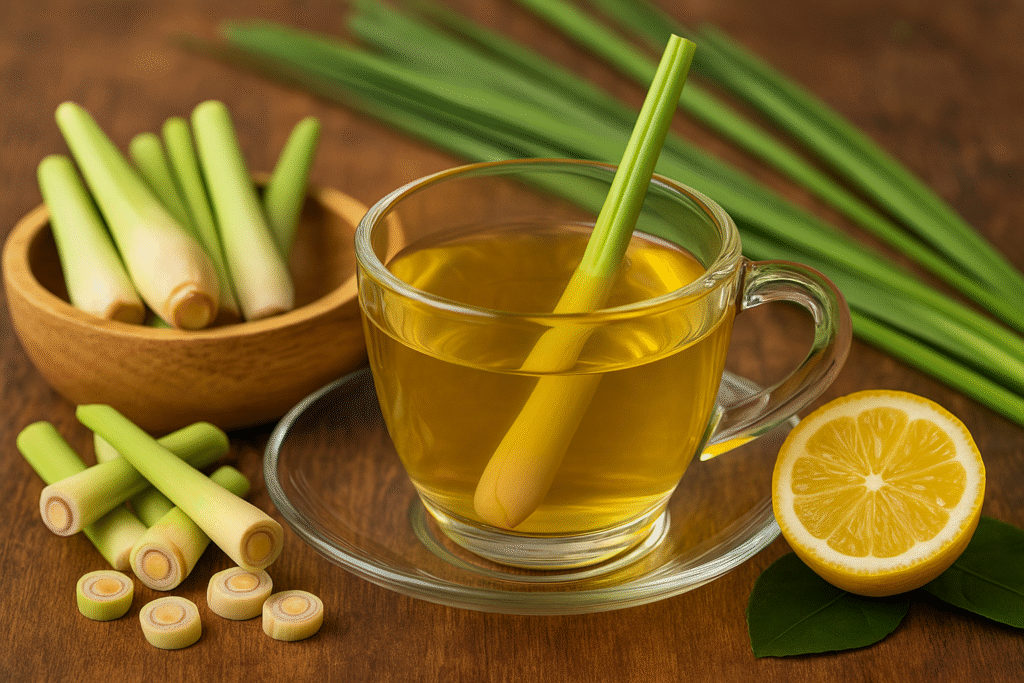
Lemongrass (Cymbopogon citratus) is a tropical plant widely used in Asian cuisine and traditional medicine. Lemongrass tea is prepared by steeping fresh or dried lemongrass leaves and stalks in hot water. It has a mild, lemony aroma with a hint of sweetness and is naturally caffeine-free, making it suitable for any time of the day.
Key Active Compounds in Lemongrass
- Citral – main compound responsible for lemon-like aroma and many antimicrobial and anti-inflammatory effects
- Geraniol – may support antioxidant and anti-inflammatory actions
- Limonene – studied for its antioxidant and possible cholesterol-lowering properties
- Flavonoids & phenolic compounds – plant-based antioxidants that may help protect cells from oxidative damage
Nutritional Value of Lemongrass Tea
Plain lemongrass tea (without sugar or milk) is very low in calories and free from fats, proteins, and sugars. Its primary strengths are:
- Hydration – contributes to daily fluid intake
- Trace minerals – small amounts of potassium, magnesium, and iron (depending on brew strength)
- Phytochemicals – antioxidants like flavonoids and phenolic compounds
Because it is caffeine-free and naturally light, lemongrass tea is often used as a healthier alternative to sugary or caffeinated beverages.
Top Science-Backed Health Benefits of Lemongrass Tea
Below are some of the most commonly discussed benefits of lemongrass tea, along with what research suggests so far.
1. May Support Digestive Health
Lemongrass has traditionally been used to relieve indigestion, bloating, and stomach discomfort. Its essential oils may help relax the digestive tract and reduce gas formation.
Some studies suggest that lemongrass extracts may have antimicrobial properties that can inhibit certain bacteria and yeast that disturb gut balance.[1]
Relevant Health Check
- For persistent bloating, acidity, or digestive issues, consider a comprehensive check of your digestive and metabolic health. You can explore broad screening packages like:
- Full Body Health Check (Comprehensive Package) – includes blood counts, liver & kidney profile, lipid profile, sugar tests and more for an overall view of your health.
2. Rich in Antioxidants
Lemongrass contains several antioxidant compounds such as chlorogenic acid, isoorientin, and swertiajaponin, which may help protect cells from oxidative stress and inflammation.[2]
Oxidative stress is linked with chronic diseases like heart disease, diabetes, and certain cancers. While drinking lemongrass tea alone cannot prevent these conditions, including antioxidant-rich foods and herbs in your diet is considered beneficial as part of a balanced lifestyle.
Relevant Health Check
- To assess how oxidative stress may be affecting your body indirectly, tracking lipid profile, blood sugar, liver and kidney function is important:
- Comprehensive Master Health Checkup – typically includes lipid profile, fasting glucose, liver function test (LFT), kidney function test (KFT), and complete blood count (CBC).
3. May Help Support Heart Health
Several animal and small human studies indicate that lemongrass may have a mild diuretic effect, helping the body get rid of excess water and sodium, which may help support healthy blood pressure in some individuals.[3]
Some components in lemongrass (like citral) have also been investigated for potential cholesterol-lowering effects, though more robust human studies are still needed.
Relevant Lab Tests for Heart Health
- Lipid Profile Test – to monitor total cholesterol, LDL, HDL, and triglycerides.
- Cardiac Risk Assessment Package – often includes lipid profile, blood sugar, ECG and other markers related to heart health.
4. May Aid in Blood Sugar Management
In some animal studies, lemongrass extracts have shown a potential to help improve glucose tolerance and reduce fasting blood sugar levels.[4] Human data is limited, but lemongrass tea is naturally low in carbohydrates and sugar (if taken without sweeteners), making it a suitable beverage option for people with diabetes or those at risk.
Important: Lemongrass tea should not replace prescribed diabetes medication. Always consult your doctor before adding large amounts of any herbal tea if you have diabetes.
Relevant Diabetes & Sugar Tests
- Fasting Blood Sugar (FBS)
- HbA1c Test – to track average blood sugar levels over the past 2–3 months.
- Diabetes Screening Package – for people at risk or newly diagnosed, to get a complete picture of sugar control and associated organ health.
5. May Support Weight Management Efforts
Lemongrass tea is sometimes used as part of weight management plans because it:
- Is low in calories and sugar (when taken unsweetened)
- May have a mild diuretic effect, temporarily reducing water retention
- Can replace high-calorie, sugary beverages in your diet
However, it is not a “fat-burning” drink on its own. Long-term weight management still depends primarily on balanced diet, calorie control, physical activity, sleep, and stress management.
Relevant Tests for Weight & Metabolic Health
- Thyroid Function Test (T3, T4, TSH) – thyroid imbalance can affect weight.
- Obesity/Metabolic Panel – includes lipid profile, fasting sugar, insulin, and other parameters (depending on package design).
6. May Help Reduce Inflammation
Lemongrass contains compounds that have shown anti-inflammatory properties in preclinical studies.[5] Chronic low-grade inflammation is linked to numerous conditions such as arthritis, heart disease, and metabolic syndrome.
While drinking lemongrass tea is not a cure for inflammatory disorders, it may complement an anti-inflammatory lifestyle that includes a balanced diet, regular exercise, and medical treatment where required.
Relevant Tests for Inflammation & Joint Health
- C-Reactive Protein (CRP) Test – marker of systemic inflammation.
- Rheumatoid Factor (RF) & Anti-CCP – for suspected inflammatory arthritis (as guided by your doctor).
7. May Provide Antimicrobial Support
Several lab-based studies have shown that lemongrass essential oil and extracts can inhibit the growth of certain bacteria, fungi, and yeast, including some strains of E. coli and Candida.[6]
This does not mean lemongrass tea can treat infections, but its antimicrobial properties add to its reputation as a traditional remedy for minor throat discomfort or digestive upsets.
8. May Help Relieve Anxiety & Improve Sleep
The aroma and warm nature of lemongrass tea can have a naturally calming effect. Some small studies and traditional practices suggest that lemongrass may help reduce anxiety and promote better sleep when consumed in the evening as part of a relaxing routine.[7]
Again, this should not be used as a substitute for professional care if you have anxiety disorders, depression, or significant sleep disturbances.
Relevant Mental Health & Wellness Check
- You may consider a general health screening to rule out vitamin deficiencies, thyroid issues or anemia that may worsen fatigue and low mood:
How to Make Lemongrass Tea at Home
Making lemongrass tea is simple and can be done with either fresh or dried stalks.
Ingredients
- 2–3 fresh lemongrass stalks (or 1–2 teaspoons dried lemongrass)
- 2 cups of water
- Optional: small piece of ginger, 1–2 tulsi (holy basil) leaves, lemon slice, or a little honey for taste (avoid honey for infants under 1 year)
Method
- Wash and cut the lemongrass stalks into 2–3 inch pieces. Lightly crush them with the back of a knife to release the oils.
- Boil 2 cups of water in a pan.
- Add lemongrass (and optional ginger/tulsi) to the boiling water.
- Reduce heat and let it simmer for 5–10 minutes, depending on how strong you like it.
- Turn off the heat, cover, and let it steep for another 3–5 minutes.
- Strain into a cup.
- Optional: add a few drops of lemon or a small amount of honey (if not contraindicated for you).
You can enjoy it hot or chilled over ice during summer.
Best Time to Drink Lemongrass Tea
You can drink lemongrass tea at different times based on your goal:
- Morning: As a light, caffeine-free drink to start the day, especially if you prefer something mild on an empty stomach.
- After meals: May help with mild indigestion or heaviness after a heavy or oily meal.
- Evening/night: A warm cup before bed can be relaxing and may support better sleep quality in some people.
Moderation is key: For most healthy adults, 1–2 cups per day is considered reasonable. Large quantities daily over long periods are not recommended without medical advice.
Who Should Avoid or Limit Lemongrass Tea?
1. Pregnant Women
Some animal studies suggest that high doses of lemongrass extracts might affect pregnancy. While normal culinary use is generally considered safe, pregnant women should avoid taking lemongrass in medicinal amounts (strong teas, supplements, oils) unless cleared by their doctor.
2. Breastfeeding Women
There is limited research on lemongrass safety during breastfeeding, so it’s better to use it in small quantities and avoid medicinal doses without medical guidance.
3. People with Certain Medical Conditions
- Kidney issues or on diuretics: Lemongrass has a mild diuretic effect, which could compound the effect of medicines.
- Liver disorders: Heavy long-term use of any herb should be monitored; always consult your doctor.
- On blood pressure or diabetes medications: Lemongrass may mildly influence BP or blood sugar; taking large quantities may sometimes interact with medicines.
4. People with Allergies
If you are allergic to lemongrass, citronella, or similar plants, avoid lemongrass tea. Watch for signs like skin rash, itching, swelling, or breathing difficulty after consumption and seek immediate medical help if they occur.
Relevant Tests if You Have Existing Conditions
- Kidney Function Test (KFT) – especially if you’re on diuretics or have kidney disease.
- Liver Function Test (LFT) – for those with liver disease or on long-term medications.
- Allergy Panel – if you suspect plant or food allergies.
Possible Side Effects of Lemongrass Tea
Lemongrass tea is generally safe for most healthy adults when consumed in moderate amounts. However, possible side effects include:
- Increased urination due to mild diuretic effect
- Stomach discomfort or acidity in those with very sensitive stomachs, especially in strong brews
- Allergic reactions – rash, itching, swelling, or difficulty breathing (rare but serious)
- Headache or dizziness if overconsumed or if you are dehydrated
If you experience any unusual symptoms after drinking lemongrass tea, stop its use and consult a doctor.
Lemongrass Tea vs. Green Tea vs. Other Herbal Teas
Each tea has its own strengths:
- Lemongrass Tea – caffeine-free, soothing, digestive support, mild diuretic and antioxidant properties.
- Green Tea – contains caffeine and catechins (EGCG), widely studied for metabolism, heart and brain health.
- Chamomile/Peppermint Tea – often used for relaxation or indigestion, also caffeine-free.
You can also combine lemongrass with other herbal teas (like ginger or tulsi) for added benefits and flavor, as long as none of them are contraindicated for you.
How Often Can You Drink Lemongrass Tea?
For most healthy adults:
- 1–2 cups per day is usually safe.
- Avoid excessive consumption (e.g., >4–5 strong cups daily) over long periods without medical advice.
If you have chronic conditions (like kidney disease, heart disease, liver disease, diabetes, or are pregnant/breastfeeding), talk to your doctor before including medicinal quantities of lemongrass tea in your routine.
When to Get Lab Tests While Using Herbal Remedies Like Lemongrass Tea
Although lemongrass tea is a mild herbal drink, it is wise to periodically monitor your health with lab tests, especially if you’re using herbal remedies regularly along with medications.
Consider Testing If:
- You have long-standing diabetes, high blood pressure, or high cholesterol.
- You’re on multiple medications and regularly use herbal teas.
- You have kidney or liver disease.
- You experience persistent fatigue, digestive issues, or unexplained symptoms.
Useful Packages from Seralis Lab
- Full Body Checkup (Comprehensive) – ideal for annual screening and for those using herbal remedies long-term.
- Diabetes Profile / Sugar Monitoring Package – if you are using lemongrass tea as part of your diabetes-friendly lifestyle.
- Heart Health / Cardiac Risk Panel – to assess blood pressure impact, lipid profile, and associated risk factors.
- Liver & Kidney Function Package – important if you consume herbal teas regularly or take long-term medications.
Key Takeaways
- Lemongrass tea is a refreshing, caffeine-free herbal drink with potential benefits for digestion, heart health, blood sugar balance, mild relaxation, and antioxidant support.
- It is generally safe in moderation (1–2 cups/day) for healthy adults.
- It should not be considered a cure for any disease and must not replace prescribed medications.
- Pregnant and breastfeeding women, people with kidney or liver disease, and those on BP or diabetes medicines should consult a doctor before regular use.
- Regular health checkups and lab tests from trusted providers like Seralis Lab can help you monitor your overall health while you enjoy the benefits of herbal teas.
Frequently Asked Questions (FAQs)
1. Can I drink lemongrass tea every day?
Yes, most healthy adults can safely drink 1–2 cups of lemongrass tea daily. Avoid very strong brews or excessive intake for long periods. If you have medical conditions or take regular medicines, ask your doctor first.
2. Is lemongrass tea safe during pregnancy?
Normal culinary use of lemongrass in food is generally considered safe, but strong lemongrass tea or supplements are usually not recommended during pregnancy without medical advice. Always consult your gynecologist before using any herbal remedy when pregnant.
3. Does lemongrass tea help in weight loss?
Lemongrass tea is low-calorie and may support weight management by replacing sugary drinks and slightly reducing water retention. However, it does not directly burn fat. Sustainable weight loss still depends on diet, exercise, sleep, and lifestyle.
4. Can people with diabetes drink lemongrass tea?
Unsweetened lemongrass tea is generally suitable for people with diabetes and may fit well in a diabetic-friendly diet. But it should not replace your medicines. Monitor your glucose levels regularly with tests like Fasting Blood Sugar and HbA1c and consult your doctor before making major dietary changes.
5. Does lemongrass tea contain caffeine?
No, lemongrass tea is naturally caffeine-free, making it a good option for evenings or for those who are sensitive to caffeine.
6. Can lemongrass tea cause allergies?
Yes, some people may be allergic to lemongrass or related plants. Symptoms may include rash, itching, swelling, or breathing difficulty. If you notice these after drinking lemongrass tea, stop consuming it and seek medical care immediately.
7. Is it okay to give lemongrass tea to children?
Occasional mild lemongrass tea in small quantities may be safe for older children, but it is best to consult a pediatrician first. Avoid giving herbal teas with honey to children younger than 1 year.
8. Can I drink lemongrass tea on an empty stomach?
Many people tolerate lemongrass tea well on an empty stomach, especially in the morning. If you have acidity, gastritis, or a very sensitive stomach, start with a weaker brew and see how your body responds.
References
- Shah G et al. (2011). “Scientific basis for the therapeutic use of Cymbopogon citratus, stapf (Lemongrass).” Journal of Advanced Pharmaceutical Technology & Research, 2(1): 3–8. Available at: https://www.ncbi.nlm.nih.gov/pmc/articles/PMC3217679/
- Francisco V et al. (2011). “Anti-inflammatory and antioxidant properties of Cymbopogon citratus.” Journal of Ethnopharmacology. Available at: https://pubmed.ncbi.nlm.nih.gov/21255645/
- Onishi E et al. (2013). “Hypotensive effect of lemongrass (Cymbopogon citratus) tea in humans.” Clinical and Experimental Hypertension. (Study summary) Available at: https://pubmed.ncbi.nlm.nih.gov/24087925/
- Adeneye AA & Agbaje EO. (2007). “Hypoglycemic and hypolipidemic effects of fresh leaf aqueous extract of Cymbopogon citratus in rats.” Journal of Ethnopharmacology. Available at: https://pubmed.ncbi.nlm.nih.gov/17223254/
- Mirghani MES et al. (2012). “Antioxidant activity of essential oils from Cymbopogon citratus.” Evidence-Based Complementary and Alternative Medicine. Available at: https://www.ncbi.nlm.nih.gov/pmc/articles/PMC3217679/
- Carvalho IT et al. (2008). “Antimicrobial activity of lemongrass (Cymbopogon citratus) and its active component citral.” Letters in Applied Microbiology. Available at: https://pubmed.ncbi.nlm.nih.gov/18422617/
- Costa CA et al. (2011). “Anxiolytic-like effect of Cymbopogon citratus in mice.” Phytomedicine. Available at: https://pubmed.ncbi.nlm.nih.gov/21167672/
Disclaimer: This article is for informational purposes only and does not replace professional medical advice, diagnosis, or treatment. Always consult your doctor or qualified healthcare provider before starting any herbal remedy or health program.