
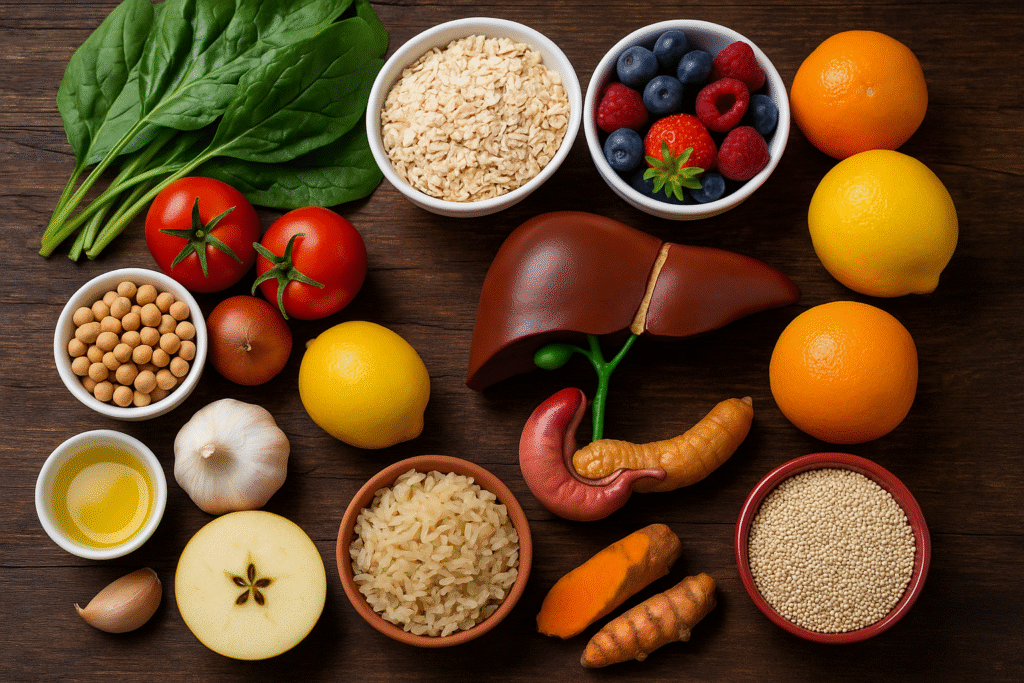

10 Superfoods To Keep Your Gallbladder Healthy (Backed By Science)
Your gallbladder may be small, but it plays a big role in digestion — especially in breaking down fats. A poor diet, obesity, crash diets, and certain medical conditions can all increase the risk of gallstones and gallbladder inflammation.
The good news: choosing the right foods (and avoiding the wrong ones) can significantly support gallbladder health. In this article, you’ll learn about 10 science-backed superfoods that help keep the gallbladder in good shape, along with when it makes sense to get tested — and which Seralis Lab tests and packages are most relevant.
What Does the Gallbladder Do?
The gallbladder is a small, pear-shaped organ located beneath your liver. Its primary job is to:
- Store bile produced by the liver
- Concentrate bile so it’s more effective
- Release bile into the small intestine to help digest dietary fats
When something goes wrong — such as gallstones blocking the bile ducts — you may experience:
- Sharp pain in the upper right abdomen (biliary colic)
- Nausea or vomiting
- Indigestion, especially after fatty meals
- Bloating or a feeling of heaviness
Long-term issues like cholecystitis (inflammation of the gallbladder) or pancreatitis may follow if gallbladder health is ignored.
10 Superfoods for a Healthy Gallbladder
1. High-Fibre Whole Grains
Examples: Oats, brown rice, barley, quinoa, whole wheat
Dietary fibre helps reduce cholesterol in bile and improves overall digestion, lowering the risk of gallstone formation. High-fibre diets are consistently associated with better weight management and reduced gallbladder disease risk.
How to include:
- Start your day with oatmeal topped with fruit
- Replace white rice with brown rice or quinoa
- Choose whole-grain bread instead of refined flour products
Relevant health checks at Seralis Lab
- Comprehensive Health Check Packages – often include lipid profile and liver-related markers that indirectly impact gallbladder health.
2. Leafy Green Vegetables
Examples: Spinach, kale, methi (fenugreek leaves), sarson (mustard greens), amaranth leaves
Leafy greens are rich in magnesium, folate, vitamin C and antioxidants, all of which support liver and gallbladder function. Magnesium in particular is associated with a lower risk of gallstones.
How to include:
- Add spinach or kale to dals, curries and smoothies
- Prepare mixed saag (leafy green curries) a few times a week
- Use leafy greens as a base for salads instead of only iceberg lettuce
3. Citrus Fruits
Examples: Lemon, orange, mosambi (sweet lime), grapefruit
Citrus fruits are rich in vitamin C, which plays a role in cholesterol metabolism. Adequate vitamin C may help reduce the risk of cholesterol gallstone formation.
How to include:
- Start the day with warm lemon water (if tolerated)
- Have a serving of orange or mosambi as a mid-morning snack
- Add lemon juice over salads, dals and cooked vegetables
Useful tests from Seralis Lab
- Vitamin Profile Packages – to check vitamin C and other micronutrient status as part of overall nutrition assessment.
4. Healthy Fats: Olive Oil, Mustard Oil & Other Unsaturated Fats
Contrary to popular belief, completely fat-free diets are not ideal for gallbladder health. A small amount of healthy fat actually stimulates regular gallbladder contractions, preventing bile from becoming too concentrated and forming stones.
Good choices:
- Cold-pressed olive oil
- Mustard oil (in moderation)
- Rice bran oil, groundnut oil (in limited amounts)
- Natural fats from nuts, seeds and fatty fish
How to include:
- Use a mix of oils over the week instead of relying on just one
- Avoid repeated deep-frying in the same oil (oxidised fats are harmful)
- Focus on sautéing, grilling and baking instead of deep-frying
Check your lipid health
- Lipid Profile Test / Heart Health Packages – high LDL cholesterol is a key risk factor for cholesterol gallstones.
5. High-Fibre Fruits: Apples, Pears & Berries
Examples: Apples, pears, guava, strawberries, blueberries, raspberries
These fruits are high in soluble fibre (pectin), which helps bind cholesterol and promotes healthier bile composition. They also help maintain a healthy weight – another major factor in gallbladder health.
How to include:
- Snack on whole fruits instead of fruit juices
- Add chopped apples or pears to salads or oats
- Include berries in smoothies, yoghurt or as a dessert
6. Legumes: Beans, Lentils & Pulses
Examples: Rajma (kidney beans), chana (chickpeas), masoor dal, moong dal, toor dal, black beans, soybeans
Legumes are rich in plant protein and fibre and low in unhealthy fats. They help improve satiety, regulate blood sugar and support a healthy weight – reducing the risk of gallstones.
How to include:
- Eat dal at least once daily
- Include chole, rajma or sprouted moong salads several times a week
- Replace some animal protein with plant-based protein
Relevant Seralis Lab tests
- Diabetes & Metabolic Health Packages – insulin resistance, diabetes and obesity are major risk factors for gallstones.
7. Turmeric
Turmeric (haldi) contains curcumin, a compound with strong anti-inflammatory and antioxidant properties. Curcumin has been studied for its potential to improve bile flow and support liver and gallbladder function.
How to include:
- Use haldi in daily cooking (curries, dals, sabzis)
- Consider turmeric milk (haldi doodh) at night if tolerated
- Use black pepper with turmeric to enhance curcumin absorption
Note: People with existing gallstones or bile duct obstruction should consult a doctor before using high-dose turmeric supplements.
8. Garlic & Onions
Garlic and onions are rich in organosulfur compounds and antioxidants that support liver detoxification and may help regulate cholesterol levels. Better cholesterol balance means healthier bile and lower gallstone risk.
How to include:
- Use garlic and onion in tadkas, stir-fries, and marinades
- Crush or chop garlic and let it rest for a few minutes before cooking to maximise active compounds
9. Probiotic-Rich Foods
Examples: Curd, yoghurt, buttermilk (chaas), fermented foods like homemade pickles and kanji (when prepared hygienically)
Probiotics support a healthy gut microbiome, which influences bile acid metabolism and digestion. A balanced gut may reduce inflammation and support healthy gallbladder function.
How to include:
- Have a small bowl of curd or glass of chaas with lunch
- Choose unsweetened, plain yoghurt or dahi
- Use traditional fermented foods in moderation
Gut health assessment at Seralis Lab
- Comprehensive Health Check Packages – typically include markers like complete blood count and inflammatory markers that can indirectly reflect digestive health.
10. Water & Hydrating Foods
Hydration is often overlooked, but it’s critical. Adequate water intake helps keep bile fluid and less concentrated, reducing the likelihood of gallstone formation.
How to include:
- Aim for 2–3 litres of water daily (adjust with climate and activity)
- Include water-rich foods like cucumber, watermelon, oranges and soups
- Limit sugary drinks, colas and excess caffeine, which may contribute to dehydration
Diet & Lifestyle Tips to Prevent Gallbladder Problems
1. Maintain a Healthy Weight – But Avoid Crash Diets
Rapid weight loss (especially through crash diets or very low-calorie diets) increases the risk of gallstones because it throws off the balance of cholesterol and bile salts.
- Aim for gradual weight loss: about 0.5–1 kg per week
- Focus on balanced meals with complex carbs, lean protein and healthy fats
- Avoid fad diets that completely cut out food groups
Tests to monitor metabolic health
- Metabolic & Weight Management Packages – typically include lipid profile, fasting glucose and liver function tests to monitor overall metabolic risk.
2. Limit Refined Carbs & Sugary Foods
White bread, sweets, pastries, sugary drinks and highly processed foods can worsen insulin resistance, increase triglycerides and indirectly raise the risk of gallstones.
- Replace refined grains with whole grains
- Minimise packaged snacks, instant noodles and bakery items
- Keep sweets and desserts for occasional treats
3. Avoid Excess Saturated & Trans Fats
A diet high in red meat, processed meats, butter, ghee in large amounts and deep-fried foods increases LDL cholesterol and promotes unhealthy bile composition.
- Reduce intake of fried snacks, fast food and bakery items
- Use ghee and butter sparingly
- Choose lean cuts of meat and skinless poultry if you eat non-veg
4. Stay Active
Regular physical activity improves insulin sensitivity, lipid profile and body weight, which all help protect the gallbladder.
- Aim for at least 150 minutes of moderate-intensity exercise per week
- Include a mix of walking, cycling, yoga or strength training
- Avoid long periods of continuous sitting
When Should You Get Tested for Gallbladder or Related Issues?
While imaging (like ultrasound) is the main tool to directly visualise gallstones, several blood tests help assess related liver, bile duct and metabolic issues that often accompany gallbladder disease.
Warning signs you shouldn’t ignore
- Recurrent pain in the upper right or middle upper abdomen, especially after fatty meals
- Nausea, vomiting or unexplained indigestion
- Yellowing of skin or eyes (jaundice)
- Dark urine or pale stools
- Unintentional weight loss, fever with abdominal pain
If you experience any of these symptoms, consult a doctor promptly. The clinician may recommend blood tests and imaging.
Key Test Categories from Seralis Lab (Gallbladder-Related)
While the exact package names may vary over time, the following test groups from Seralis Lab are commonly relevant for gallbladder and associated metabolic health:
1. Liver Function Test (LFT) Panels
- Why important: Gallbladder disease often affects liver enzymes and bilirubin when bile flow is obstructed.
- Typical markers: ALT, AST, ALP, GGT, total and direct bilirubin, albumin, total protein.
- Recommended: Check for Liver Function Test / Liver Health Packages.
2. Lipid Profile
- Why important: High LDL (“bad” cholesterol) and high triglycerides increase the risk of cholesterol gallstones.
- Recommended: Look for Lipid Profile or Cardiac Risk Packages.
3. Diabetes & Metabolic Syndrome Panels
- Why important: Diabetes, insulin resistance and obesity all significantly increase gallstone risk.
- Typical markers: Fasting blood sugar, HbA1c, fasting insulin (in some advanced panels).
- Recommended: Explore Diabetes Profile / Metabolic Health Packages.
4. Comprehensive Health Check Packages
- Why important: For people without specific symptoms but with risk factors (family history, obesity, sedentary lifestyle), comprehensive checks help identify early problems.
- Recommended: View the full list of Master Health Check / Executive Health Packages that bundle LFT, lipid profile, blood sugar and more.
For detailed information on each test and package, you can refer to the complete Seralis Lab test and package list.
Sample One-Day Gallbladder-Friendly Meal Plan
This is a general example and should be personalised with help from a nutritionist, especially if you already have gallstones or other medical conditions.
- Early morning: Warm water with lemon (if not causing discomfort)
- Breakfast: Oats porridge with apples and a few nuts + curd
- Mid-morning: Orange or sweet lime
- Lunch: Brown rice or phulka + mixed dal (lentils) + leafy green sabzi + salad with cucumber, carrot and lemon
- Evening snack: Handful of roasted chana or sprouted moong salad
- Dinner: Vegetable soup + quinoa or millet khichdi with vegetables + small bowl of curd
- Bedtime (optional): Turmeric milk (if tolerated and advised by your doctor)
FAQs About Gallbladder Health
1. Can diet alone dissolve gallstones?
Diet can help prevent gallstones and may ease symptoms, but once gallstones are formed, they often require medical or surgical treatment. Small cholesterol stones may sometimes be treated with specific medicines, but this must be decided by a doctor after proper evaluation (usually including ultrasound).
2. Is a zero-fat diet good for the gallbladder?
No. Completely eliminating fat from the diet can actually worsen gallbladder health because the gallbladder needs a small amount of dietary fat to contract and release bile regularly. Focus on moderate amounts of healthy fats (like olive oil, nuts, seeds, fatty fish) instead of a totally fat-free diet.
3. I have gallstones. Can I still eat these superfoods?
Many of the foods listed (like fruits, vegetables, whole grains and legumes) are generally safe and beneficial. However, if you already have gallstones, you may be more sensitive to fat and certain foods. Always:
- Follow the diet plan prescribed by your doctor or dietitian
- Avoid heavy, greasy and very spicy meals
- Seek urgent medical help if you experience severe pain, fever, jaundice or vomiting
4. How often should I get my liver and gallbladder-related tests done?
For people without symptoms but with risk factors (overweight, diabetes, high cholesterol, family history):
- Liver Function Test and Lipid Profile: commonly once a year or as advised
- Comprehensive health check packages: annually for adults is a practical approach
Those with known liver or gallbladder problems may need more frequent testing based on their doctor’s advice. You can book relevant packages through Seralis Lab.
5. Can drinking more water really prevent gallstones?
Staying well-hydrated helps keep bile less concentrated, which may reduce the chance of stone formation. While water alone can’t completely prevent gallstones, it’s an important part of a gallbladder-friendly lifestyle when combined with a balanced diet and regular exercise.
Key Takeaways
- Your gallbladder works closely with your liver to digest fats; what you eat directly affects its health.
- Superfoods like whole grains, leafy greens, citrus fruits, fibre-rich fruits, legumes, turmeric, garlic, probiotics and adequate water support optimal gallbladder function.
- Avoiding crash diets, controlling weight, limiting sugary and fried foods and staying active are crucial preventive steps.
- Regular health checks — including liver function tests, lipid profile and metabolic health packages from Seralis Lab — can identify risks early.
Disclaimer: This article is for educational purposes only and does not replace medical advice. If you have symptoms such as abdominal pain, jaundice, vomiting or unexplained indigestion, please consult a qualified healthcare professional and undergo appropriate tests and imaging.
References
- Stinton, L. M., & Shaffer, E. A. (2012). Epidemiology of gallbladder disease: cholelithiasis and cancer. Gut and Liver, 6(2), 172–187. https://doi.org/10.5009/gnl.2012.6.2.172
- Misciagna, G., Leoci, C., Guerra, V., Chiloiro, M., Elba, S., Petruzzi, J., & Messa, C. (1999). Epidemiology of cholelithiasis in southern Italy. Part II: risk factors. European Journal of Gastroenterology & Hepatology, 11(8), 943–949. PubMed
- Pak, M., Lindseth, G., & Krowchuk, H. (2016). Diet and gallstone formation in adults: a review of the literature. Journal of Clinical Nursing, 25(1-2), 19–29. https://doi.org/10.1111/jocn.13000
- Chen, L. Y., Qiao, Q. H., Zhang, S. C., Chen, Y. H., Chao, G. Q., & Fang, L. Z. (2012). Metabolic syndrome and gallstone disease. World Journal of Gastroenterology, 18(31), 4215–4220. https://doi.org/10.3748/wjg.v18.i31.4215
- Tsai, C. J., Leitzmann, M. F., Willett, W. C., & Giovannucci, E. L. (2004). The effect of long-term intake of cis unsaturated fats on the risk for gallstone disease in men: a prospective cohort study. Annals of Internal Medicine, 141(7), 514–522. https://doi.org/10.7326/0003-4819-141-7-200410050-00008
- Leitzmann, M. F., Willett, W. C., Rimm, E. B., Stampfer, M. J., Colditz, G. A., Giovannucci, E., & Spiegelman, D. (1999). A prospective study of coffee consumption and the risk of symptomatic gallstone disease in men. JAMA, 281(22), 2106–2112. https://doi.org/10.1001/jama.281.22.2106
- World Gastroenterology Organisation. (2017). WGO Guideline: Asymptomatic Gallstone Disease. WGO Guidelines