
10 Superfoods to Keep Your Gallbladder Healthy (Backed by Science)
Your gallbladder may be small, but it plays a big role in digestion. It stores and concentrates bile produced by your liver and releases it to help digest fats. When the gallbladder isn’t working well, you may develop gallstones, inflammation (cholecystitis), digestive discomfort, and even serious complications that can require surgery.
The good news: a smart diet can go a long way in supporting gallbladder health. In this guide, you’ll discover 10 science-backed superfoods that support your gallbladder, how they work, plus the most relevant blood tests and preventive health packages from Seralis Lab to monitor your liver–gallbladder–digestive health.
Why Gallbladder Health Matters
The gallbladder:
- Stores bile produced by the liver
- Concentrates bile so it can efficiently digest fats
- Releases bile into the small intestine when you eat, especially fatty meals
When bile becomes too concentrated with cholesterol or bilirubin, or when the gallbladder doesn’t empty properly, gallstones can form. Risk factors include:
- High-fat, high-cholesterol, low-fibre diet
- Obesity or rapid weight loss
- Diabetes and metabolic syndrome
- Female sex, pregnancy, use of some hormones
- Family history of gallstones
Along with lifestyle changes and regular check-ups, certain foods can help keep bile flowing smoothly, support liver function, and reduce inflammation – protecting your gallbladder in the process.
Useful tests to monitor gallbladder-related health:
- Liver Function Test (LFT) – to check bilirubin and liver enzymes that often change when bile flow is affected.
- Lipid Profile – to assess cholesterol and triglycerides, which influence gallstone risk.
- Abdominal / Whole Body Preventive Health Packages – comprehensive packages that usually combine LFT, lipid profile, blood sugar and more for overall digestive and metabolic health.
Top 10 Superfoods for a Healthy Gallbladder
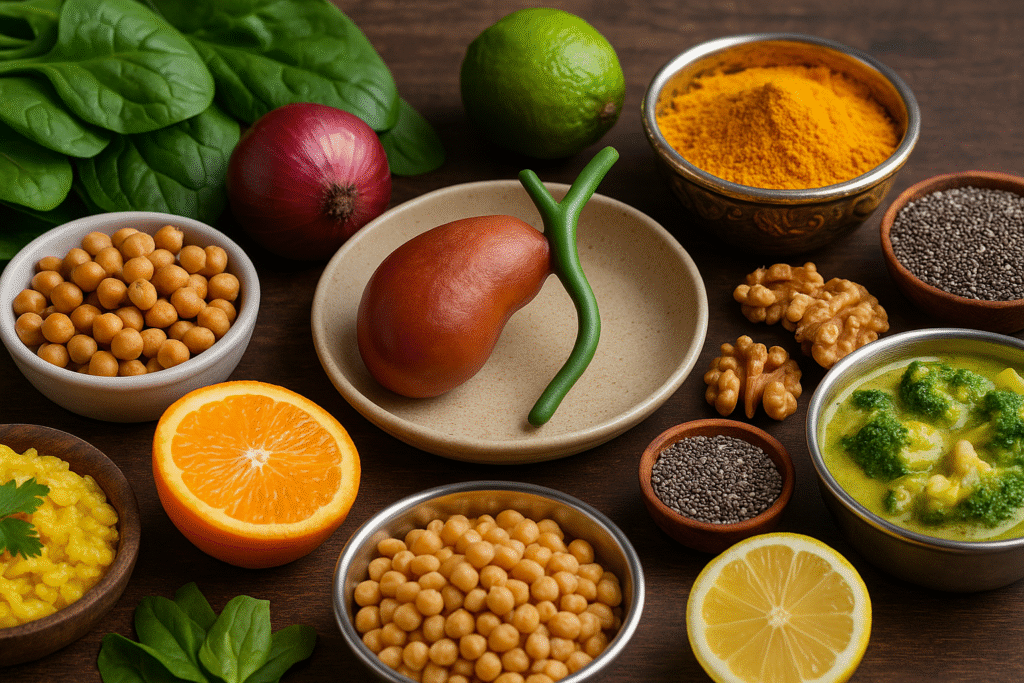
1. Leafy Green Vegetables
Examples: Spinach, kale, methi (fenugreek leaves), sarson (mustard greens), lettuce
Leafy greens are rich in magnesium, folate, vitamin C, and antioxidants. Higher magnesium intake has been associated with a lower risk of gallstone disease in observational studies.1 Their high fibre content also helps regulate cholesterol levels, which can reduce the formation of cholesterol gallstones.
How they help the gallbladder:
- Support bile composition by improving cholesterol metabolism
- Provide antioxidants to combat inflammation in biliary tract
- Help maintain healthy body weight when used to replace high-calorie foods
Smart ways to add them: Add a handful of greens to dals, curries, smoothies, parathas, and salads daily. Light steaming or sautéing preserves nutrients while making them easier to digest.
Relevant tests & packages from Seralis Lab
- Comprehensive Health Check / Preventive Health Package – often includes vitamin, lipid, and liver markers to assess metabolic and digestive wellness.
2. Citrus Fruits
Examples: Lemon, lime, orange, grapefruit, mosambi (sweet lime)
Citrus fruits are packed with vitamin C and flavonoids. Low vitamin C levels have been linked with increased risk of gallstones in some studies, likely because vitamin C is involved in cholesterol metabolism and bile acid synthesis.2
How they help the gallbladder:
- Vitamin C assists in converting cholesterol into bile acids, helping prevent cholesterol stone formation
- Flavonoids have anti-inflammatory and antioxidant properties that may protect biliary tract tissues
Smart ways to add them: Start the day with warm water and lemon, snack on an orange, or add lemon to salads and dals. Diabetics should watch total fruit portions.
Relevant tests & packages from Seralis Lab
- Vitamin Profile – to assess vitamin C and other key micronutrients if deficiencies are suspected.
- Diabetes / Blood Sugar Panel – if you have diabetes or prediabetes, which increases gallstone risk.
3. High-Fibre Whole Grains
Examples: Oats, barley, brown rice, millet (jowar, bajra, ragi), whole wheat
Dietary fibre improves bowel movements and helps clear excess cholesterol through the stool. Studies have found that diets high in fibre and whole grains are associated with a lower risk of symptomatic gallstone disease.3
How they help the gallbladder:
- Reduce LDL (“bad”) cholesterol, therefore lowering stone-forming material in bile
- Support healthy gut microbiota, which may influence bile acid metabolism
- Help with weight management, a key factor in gallstone prevention
Smart ways to add them: Swap white rice with brown rice or millet, choose whole wheat chapatis, and start your day with oats or multigrain porridge.
Relevant tests & packages from Seralis Lab
- Lipid Profile Test – to monitor cholesterol and triglycerides when you increase dietary fibre.
- Weight Management / Metabolic Health Package – combines lipid, glucose, and often hormone tests for those at higher gallstone risk due to obesity or metabolic syndrome.
4. Healthy Fats (Omega-3–Rich Foods)
Examples: Fatty fish (salmon, mackerel, sardines), flaxseeds, chia seeds, walnuts
Not all fats are harmful for the gallbladder. In fact, small amounts of healthy fats stimulate regular bile release and prevent it from becoming stagnant and overly concentrated. Omega‑3 fatty acids also have anti-inflammatory properties.
Some cohorts have shown that diets rich in polyunsaturated fats are associated with reduced risk of gallstone disease compared to diets high in saturated fat.4
How they help the gallbladder:
- Encourage regular emptying of the gallbladder, reducing sludge and stone formation
- Support heart and metabolic health, closely linked with gallbladder risk
- Provide anti-inflammatory benefits that may protect gallbladder tissue
Smart ways to add them: Include fatty fish 1–2 times per week, sprinkle ground flaxseeds or chia on salads and smoothies, and snack on a small handful of nuts.
Relevant tests & packages from Seralis Lab
- Lipid Profile Test – to see the impact of replacing saturated fats with healthy fats.
- Cardiac Risk / Heart Health Package – suitable if you have both cholesterol and gallstone risk factors.
5. Turmeric (Haldi)
Turmeric contains the active compound curcumin, known for its anti-inflammatory and antioxidant properties. Some experimental studies suggest curcumin may enhance bile flow (choleretic effect) and improve bile composition, potentially reducing the risk of stone formation.5
How it helps the gallbladder:
- May stimulate bile production and flow from the liver and gallbladder
- Provides strong anti-inflammatory action for the hepatobiliary system
- Supports overall liver function, crucial for healthy bile
Smart ways to add it: Use turmeric in curries, dals, sabzis, or drink haldi milk at night. Combining turmeric with black pepper and healthy fat (like ghee) enhances curcumin absorption.
Important: If you already have symptomatic gallstones or bile duct obstruction, consult your doctor before using high-dose turmeric supplements because strong choleretic herbs can sometimes worsen symptoms.
Relevant tests & packages from Seralis Lab
- Liver Function Test (LFT) – to monitor liver enzymes and bilirubin regularly if you use herbs or supplements for liver–gallbladder support.
6. Garlic and Onions (Allium Vegetables)
Garlic and onions are rich in organosulfur compounds and antioxidants. Animal studies suggest that these compounds may influence cholesterol metabolism and bile composition, potentially reducing gallstone risk.6
How they help the gallbladder:
- May help lower blood cholesterol and improve bile lipid balance
- Provide antimicrobial and antioxidant effects that support gut and liver health
Smart ways to add them: Use fresh garlic and onions as base for curries, stir-fries, and soups. Raw garlic can be strong on the stomach; start small if you have acidity.
Relevant tests & packages from Seralis Lab
- Basic Health Check-Up Package – includes essential parameters like CBC, LFT, lipid profile, and blood sugar, which together give an overview of metabolic and digestive health.
7. Legumes and Pulses
Examples: Lentils (masoor), chana, rajma, moong, toor dal, chickpeas, peas, soybeans
Legumes are rich in plant protein, soluble and insoluble fibre, B vitamins, and minerals. Their high fibre content and low saturated fat make them ideal replacements for fatty meats, reducing gallstone risk.
High-fibre, plant-rich diets have consistently been linked with reduced gallbladder disease in observational studies.3
How they help the gallbladder:
- Lower LDL cholesterol and improve insulin sensitivity
- Help in weight management when they replace high-calorie, fatty foods
- Promote regular bowel movements, enhancing elimination of bile components
Smart ways to add them: Aim for at least one serving of dal or legumes daily. Soak well and cook properly to reduce gas and improve digestibility.
Relevant tests & packages from Seralis Lab
- Diabetes & Insulin Resistance Panel – helpful if you have metabolic syndrome, PCOS, or type 2 diabetes along with gallstone risk.
8. Beets and Other Detox-Supporting Vegetables
Examples: Beetroot, carrots, cruciferous vegetables (broccoli, cabbage, cauliflower, Brussels sprouts)
Beets contain betaine and nitrate compounds that support liver detoxification pathways and may influence bile flow. Cruciferous vegetables provide glucosinolates that support phase II liver detoxification and hormone metabolism.
How they help the gallbladder:
- Support liver detoxification, indirectly improving bile quality
- Provide antioxidants and anti-inflammatory compounds
- Improve digestion and regularity through fibre
Smart ways to add them: Include beetroot in salads, juices (in moderation), or subzis. Steam or lightly sauté cruciferous vegetables to improve digestibility.
Relevant tests & packages from Seralis Lab
- Comprehensive Liver Panel / LFT – for those with fatty liver, history of alcohol use, or chronic medication use.
9. Apples and Pears
Apples and pears are rich in soluble fibre (pectin) and polyphenols. Soluble fibre binds bile acids and cholesterol in the intestine, promoting their excretion. This encourages the liver to use more cholesterol to form new bile acids, which may reduce cholesterol saturation in bile.
How they help the gallbladder:
- Provide soluble fibre to help clear excess cholesterol
- Support healthy weight due to good satiety and low energy density
- Offer antioxidants that support overall digestive tract health
Smart ways to add them: Eat whole fruits with skin (well washed) instead of juice to get full fibre benefits. Combine with nuts for a balanced snack.
Relevant tests & packages from Seralis Lab
- Lipid Profile – useful to see the effect of higher-fibre diets on cholesterol.
- Preventive Health Package for Adults – if you’re making long-term lifestyle changes and want periodic health tracking.
10. Fermented and Probiotic Foods
Examples: Curd (dahi), buttermilk (chaas), yoghurt with live cultures, fermented vegetables, kefir
The gut microbiome influences bile acid metabolism. Probiotic-rich foods help maintain a healthy balance of gut bacteria, which in turn can affect how bile acids are transformed and recycled in the body. Some research suggests that probiotics may help reduce cholesterol levels and improve bile salt metabolism.7
How they help the gallbladder:
- Support a healthy gut microbiota that positively impacts bile acid recycling (enterohepatic circulation)
- May reduce LDL cholesterol and triglycerides
- Improve digestion and reduce bloating and gas
Smart ways to add them: Include plain curd or chaas daily with meals. Choose unsweetened versions and avoid highly processed flavoured yoghurts.
Relevant tests & packages from Seralis Lab
- Comprehensive Stool / Gut Health Panel (if available locally via Seralis Lab) – for people with chronic digestive issues.
- Full Body Check-Up Package – to monitor multi-system health including digestion and metabolism.
Gallbladder-Friendly Eating & Lifestyle Tips
1. Maintain a Healthy Weight (Avoid Crash Diets)
Obesity increases gallstone risk, but losing weight too quickly (more than ~1–1.5 kg per week) can also promote gallstone formation because of rapid changes in bile composition.
- Aim for gradual, sustainable weight loss through balanced diet and regular exercise
- Avoid very low-calorie fad diets and prolonged fasting
Seralis Lab support: Use a Weight Management / Metabolic Package periodically to track blood sugar, lipid profile, thyroid, and more when you’re on a weight-loss journey.
2. Eat Regular, Balanced Meals
- Long gaps between meals can reduce regular gallbladder contractions, allowing bile to thicken
- Prefer smaller, more frequent meals over heavy, high-fat feasts
3. Limit High-Fat, Fried, and Sugary Foods
Excess saturated fat, trans fat, refined carbs, and sugar can increase cholesterol in bile and contribute to obesity and insulin resistance.
- Limit deep-fried foods, creamy gravies, processed meats
- Reduce sweets, bakery products, and sugary drinks
4. Stay Hydrated
Good hydration helps maintain proper bile consistency and overall digestive function. Aim for 1.5–2.5 litres of water daily, adjusted for climate and physical activity.
5. Don’t Ignore Symptoms
Seek medical advice if you experience:
- Sudden, intense pain in the upper right or middle abdomen (especially after fatty meals)
- Pain radiating to your right shoulder or back
- Nausea, vomiting, fever
- Yellowing of skin or eyes (jaundice)
Your doctor may advise imaging (ultrasound) and blood tests like LFT, CBC, and others to assess for gallstones or gallbladder inflammation.
Key Lab Tests for Gallbladder & Digestive Health
While superfoods and lifestyle changes are powerful, combining them with the right lab tests gives a complete picture of your gallbladder and liver health.
Core Tests to Discuss with Your Doctor
- Liver Function Test (LFT)
- Includes bilirubin, ALT, AST, ALP, GGT, albumin, proteins
- Abnormalities can point to bile duct obstruction, liver inflammation, or gallbladder issues
- Lipid Profile
- Measures total cholesterol, LDL, HDL, triglycerides
- Important for assessing cholesterol gallstone risk
- Blood Sugar Tests (Fasting Glucose, HbA1c)
- Diabetes and insulin resistance increase gallstone risk
- Complete Blood Count (CBC)
- Helps detect infection or inflammation, often altered in acute cholecystitis (gallbladder infection)
Recommended Packages from Seralis Lab
- Comprehensive Full Body Check-Up
- Ideal annual screening; usually includes CBC, LFT, lipid profile, kidney function, thyroid, blood sugar, and more.
- Liver & Digestive Health Package
- Focused evaluation if you have fatty liver, digestive symptoms, or family history of gallstones.
- Cardio-Metabolic Risk Profile
- Combines lipid profile, sugar markers, and often inflammatory markers; useful when gallbladder issues coexist with heart and metabolic risk factors.
Check the latest detailed list of tests and packages directly on Seralis Lab and choose the option that best matches your doctor’s advice and your health goals.
FAQs About Gallbladder Health and Diet
1. Can diet alone dissolve existing gallstones?
Most established gallstones, especially cholesterol stones, do not dissolve with diet alone. Certain medications (like ursodeoxycholic acid) may help in selected cases, but this must be prescribed and monitored by a doctor. A healthy diet can reduce symptoms and prevent new stones, but it is not a substitute for medical or surgical treatment when needed.
2. Are all fats bad for the gallbladder?
No. Very low-fat diets can actually reduce regular gallbladder emptying, potentially increasing the risk of sludge and stones. The goal is to:
- Limit saturated and trans fats (fried foods, processed meats, bakery items)
- Include small amounts of healthy fats (nuts, seeds, fatty fish, cold-pressed oils)
3. Is it safe to use turmeric if I already have gallstones?
Food-level turmeric used in cooking is generally safe for most people. However, high-dose turmeric or curcumin supplements can increase bile flow and may worsen symptoms in people with existing gallstones or bile duct obstruction. Always consult your doctor before starting any supplement, especially if you have been diagnosed with gallstones.
4. How do I know if my gallbladder is causing my symptoms?
Typical gallbladder pain (biliary colic) is usually felt in the upper right abdomen or upper middle abdomen, often after a fatty meal, and can radiate to the back or right shoulder. Nausea and vomiting may accompany the pain. However, many other conditions can cause similar symptoms. Diagnosis usually requires:
- Clinical evaluation
- Ultrasound of the abdomen
- Lab tests such as LFT, CBC, and amylase/lipase as advised
5. How often should I check my liver and gallbladder-related blood tests?
For generally healthy adults, an annual or biennial check-up (including LFT and lipid profile) is often recommended. If you have risk factors like obesity, diabetes, fatty liver, or a history of gallstones, your doctor may suggest more frequent testing using packages such as the Comprehensive Health Check-Up from Seralis Lab.
6. Do I still need to care about diet after gallbladder removal surgery?
Yes. After cholecystectomy (gallbladder removal), bile continuously drips into the intestine instead of being stored. Many people tolerate normal diets, but some experience loose stools or difficulty with very fatty meals. A balanced, moderately low-fat, high-fibre diet remains important for liver health, digestion, and prevention of other metabolic diseases.
Takeaway: Combine Smart Food Choices with Smart Testing
Supporting your gallbladder isn’t about one miracle food; it’s about a pattern of eating that:
- Emphasises fibre-rich fruits, vegetables, whole grains, and legumes
- Includes moderate amounts of healthy fats
- Uses spices and herbs such as turmeric and garlic wisely
- Limits deep-fried, sugary, and ultra-processed foods
Pair these habits with regular health check-ups—and, when needed, targeted tests and packages from Seralis Lab—to keep your gallbladder, liver, and digestive system in optimum health.
Disclaimer: This article is for educational purposes only and does not replace professional medical advice, diagnosis, or treatment. Always consult your doctor or a qualified healthcare provider for personalised recommendations.
References
- Tsai CJ, Leitzmann MF, Willett WC, Giovannucci EL. Dietary magnesium intake and the risk of symptomatic gallstone disease in men. Am J Gastroenterol. 2008;103(2):375–382. https://doi.org/10.1111/j.1572-0241.2007.01577.x
- Davis CD, Milner JA. Vitamin C, vitamin E, and beta-carotene and gallstone disease: a review. J Am Coll Nutr. 1999;18(4):428–437. PubMed
- Tsai CJ, Leitzmann MF, Willett WC, Giovannucci EL. Long-term intake of dietary fiber and decreased risk of cholecystectomy in women. Am J Gastroenterol. 2004;99(7):1364–1370. https://doi.org/10.1111/j.1572-0241.2004.30104.x
- Tsai CJ, Leitzmann MF, Willett WC, Giovannucci EL. Dietary fat and risk of gallstone disease in men: prospective study. BMJ. 2003;327(7418):596–600. https://doi.org/10.1136/bmj.327.7418.596
- Srinivasan K. Turmerics: therapeutic roles and safety aspects. Food Rev Int. 2005;21(2):167–188. https://doi.org/10.1081/FRI-200051872
- Gebhardt R. Multiple inhibitory effects of garlic extracts on cholesterol biosynthesis in hepatocytes. Lipids. 1993;28(7):613–619. https://doi.org/10.1007/BF02535969
- Lye HS, Rusul G, Liong MT. Removal of cholesterol by lactobacilli via incorporation and conversion to coprostanol. J Dairy Sci. 2010;93(4):1383–1392. https://doi.org/10.3168/jds.2009-2574